
A disarming voice
Benjamin’s art is not only perceived but is also thought-provoking. As the first notes emerge from the piano, I think of him as an island, wild and small, floating proudly, free and alone near a densely populated archipelago.
BENJAMIN CLEMENTINE
-
Chronicle and story about Benjamin Clementine’s performance at Villa Lena, Italy.
-
Openhouse magazine
Issue 15 -
Photos by Martino di Napoli Rampolla and Guglielmo Profeti
-
BENJAMIN
CLEMENTINE
Between renunciations, farewells and breakups, our existence takes place between moments of mourning for what we leave behind and the excitement of what is to come. Days go by as we choose some things and reject others, and yet, often, a decision can be perceived as a betrayal or a sign of weakness. Other times, however, it can be considered to be an act of optimism; the affirmation that things can not only be different but better. A gesture that brings us closer to knowing ourselves, to drawing the outline of the journey we wish to embark on in this time lapse we call life. In the case of Benjamin Clementine, renunciation appeared very early on; a direct consequence of learning that, in order to be happy, he had to forego all that was not music. This decision led him along an arduous, solitary path on which he was determined to give up everything but himself.
In early autumn, we visited Villa Lena, the art residency in Tuscany where Benjamin had been invited to perform during a period when restrictions in Europe had eased somewhat. It was a cold and sunny Saturday afternoon. As we made our way along the bumpy road leading to the house, a combination of enthusiasm and excitement was in the air.
“I learned to see the positive side of everything. Not having to pay rent allowed me to develop artistically”
Martino di Napoli Rampolla tries to capture in images something that can only really be enjoyed in person. Benjamin appears on stage with a half-smile. He looks happy to play for the public after a six-month hiatus. His presence is magnetic and curious. He walks softly, and the audience seems to hold its breath for a few seconds. He sits, looks at us, places one foot on the stool and removes his sneakers, as if playing such an impressive instrument were a matter of connection where there is no place for barriers of any kind. He pauses and places his fingertips on the piano keys.
The youngest of five siblings, Benjamin grew up with the love and support of his grandmother but was misunderstood by his siblings, his mother and, particularly, his father. His childhood was marked by loneliness until, at the age of 11 years, he discovered the piano. “As soon as I was able to understand what a piano was, it became my best friend,” he acknowledges. “I didn’t want to be where all the other kids were. I really enjoyed being alone and this allowed me to be very patient when I practiced.
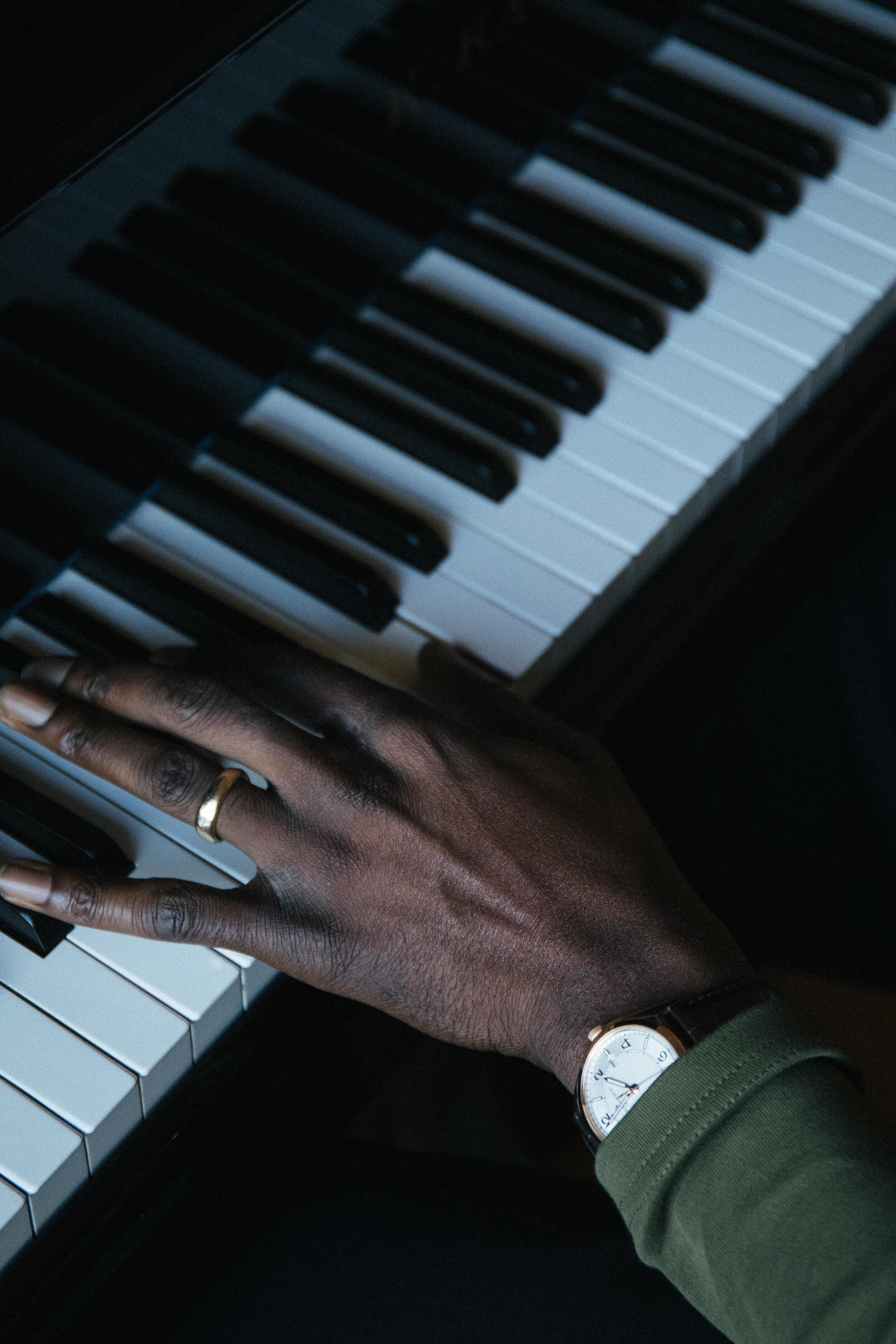

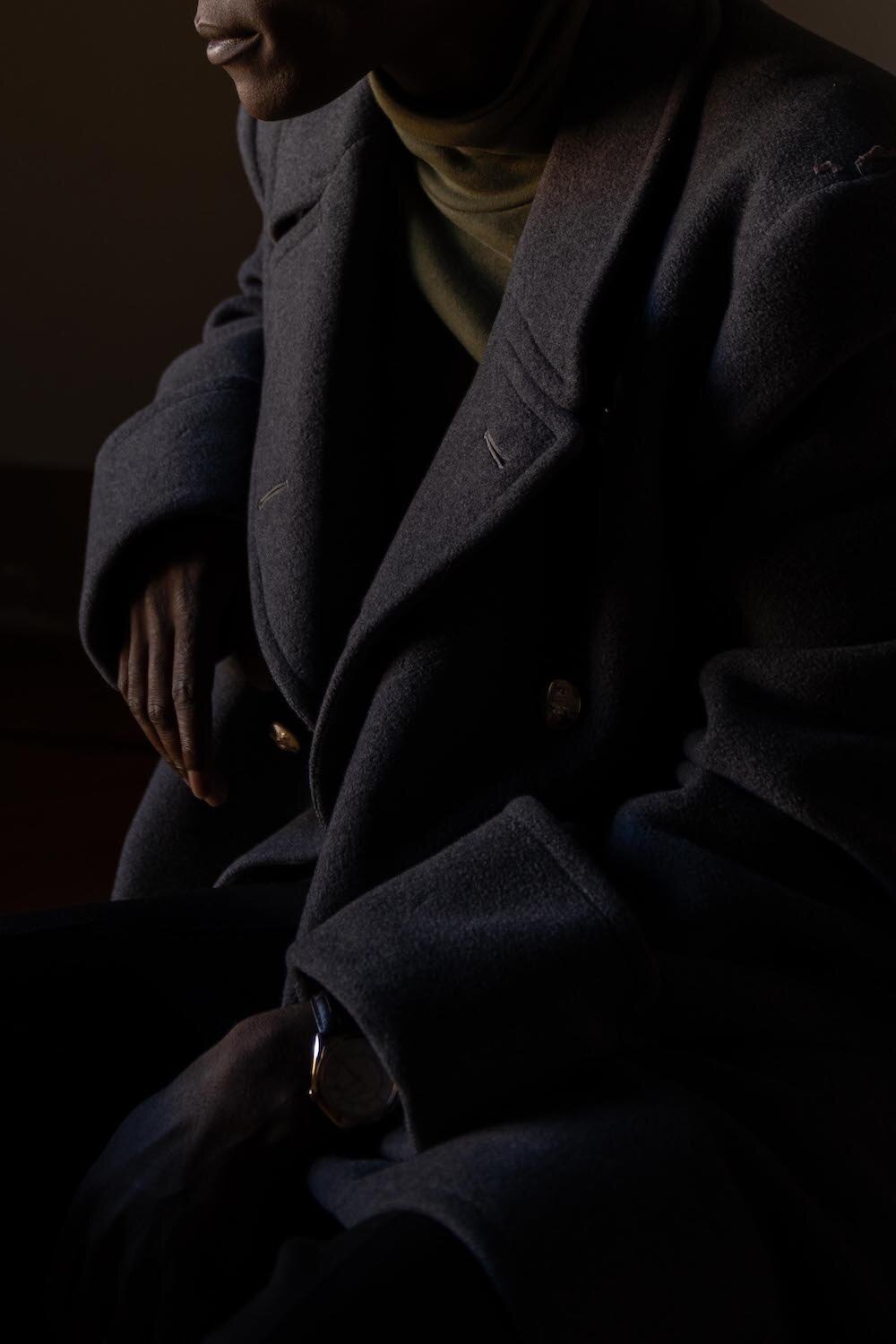
It is kind of like when you train a new skill or you learn a new chord. You have to treat your brain like a small child, give it time and guide your body gently towards that new element.” It was precisely the need to dedicate more time to his music that led him to break away from his family at 16. First on the streets of Camden, in England, and then in Paris, the idea of giving up a roof over his head and becoming homeless did not intimidate him. He almost feels privileged because of it: “I learned to see the positive side of everything. Not having to pay rent allowed me to develop artistically. I was able to practice without having to think about working from 9 to 5. It was a sort of privilege and, although I was suffering socially, my homelessness was a way to get where I am today.”
The subway, where he obtained a large following, became his main stage. His first break came from a passenger who offered him the chance to play in his bar. Benjamin was already a cult figure in the city when EMI came knocking. He released two EPs, Cornerstone and Glorious You, which made him a celebrity. His debut album At Least For Now came in 2015 and, with it, one of the music industry’s most coveted honours, the Mercury Prize. Working with a record label took him to the highest of heights, but it also came with a new renunciation; that of his creative independence. “Signing with a label is a very tough choice. Music generates money, unfortunately, so you have to be bold and look for a good lawyer.”
At the peak of his career, just when he thought he had overcome his fears, the birth of his son Julian took him back to the beginning, to his own childhood. “It made me think of my mum. She experienced depression when I was born and couldn’t take care of me.” This lack of attachment to his parents distorted Benjamin’s idea of fatherhood: “It’s almost as though I was annoyed that Julian needed us. I always thought that anyone could live alone and survive if only they believed in themselves.” Writing down these thoughts brought them out, making him aware of them. The help of his wife, the singer and songwriter Florence Morrissey, was essential. “She had to protect my son, and me also. As she is a great person, she managed to do both.”
“As soon as I was able to understand what a piano was, it became my best friend”
For Benjamin, the binary vision that divides the world in terms of good and bad, ugly and beautiful is only a matter of semantics; something he wants to transmit to Julian: “I know he is an unlucky child for having a father who might say ‘Julian, you’re ugly’ but I believe that it’s good to teach your child to accept criticism and keep going. We should appreciate things as they are.” Words can be twisted and fill up with new meanings. That is, without a doubt, one of his strong points. “I wrote all the lyrics to my first album before even touching the piano. Now I’m interested in a different approach. I think I write too much. So, for the next album I’m going to let the music take the lead.”
There is sadness and pain in Benjamin’s words, but also in his tone. When you listen to him, be it singing or speaking, his voice reveals endless emotions that can disarm, yet you would never imagine that the world could so deeply affect this self-made man, both as a songwriter and as a human being. Benjamin’s art is not only perceived but is also thought-provoking. As the first notes emerge from the piano, I think of him as an island, wild and small, floating proudly, free and alone near a densely populated archipelago. From the shore, in the warm circular room at Villa Lena, we hear the whisper of him like a breeze rustling through the leaves, roaring between the waves, and, as his voice rises it bellows and crashes onto the rocks.
UNA VOZ QUE TE DESARMA
Desde la orilla, en el cálido salón circular de Villa Lena, oímos el rumor de su brisa susurrando a las hojas, rugiendo entre las olas y cómo su voz se alza, brama y se precipita sobre las rocas.
BENJAMIN CLEMENTINE
BENJAMIN
CLEMENTINE
-
Entrevista a Benjamin Clementine previo a su concierto en Villa Lena, Italia.
Publicada oficialmente en inglés.
-
-
Fotos de Martino di Napoli Rampolla y Guglielmo Profeti.
-
Entre renuncias, despedidas y rupturas, nuestra existencia transcurre en los entretiempos del duelo por lo que dejamos atrás y la ilusión por lo que vendrá. Los días pasan mientras elegimos unas cosas y desechamos otras, y sin embargo, no en pocas ocasiones, una decisión puede ser percibida como una traición o una señal de cobardía. Otras veces, en cambio, puede considerarse un acto de optimismo; la afirmación de que las cosas no sólo pueden ser diferentes sino mejores. Un gesto que nos acerca a conocernos a nosotros mismos, y a dibujar el trayecto que queremos recorrer en este lapso temporal que llamamos vida. En la de Benjamin Clementine, la renuncia se presentó de forma muy temprana, tan pronto tomó conciencia de que, para ser feliz, debía prescindir de todo aquello que no fuera la música. Una decisión que le llevó a transitar un camino arduo y solitario con la determinación de renunciar a todo menos a sí mismo.
Recién estrenado el otoño, visitamos Villa Lena, la residencia artística situada en la Toscana donde Benjamin ha sido invitado a actuar cuando las restricciones en Europa se han relajado, al menos por un tiempo. Es una tarde de sábado soleada y fría. A medida que avanzamos por el camino lleno de baches que conduce a la casa, se respira una mezcla de entusiasmo y anticipación.
Martino di Napoli Rampolla trata de capturar en imágenes algo que en realidad sólo puede vivirse en directo. Benjamin entra en el escenario del concierto con una media sonrisa. Parece feliz de tocar para el público después de medio año de pausa. Su presencia es magnética y curiosa. Camina suavemente a través de la audiencia que parece contener la respiración durante unos segundos. Se sienta, nos mira, coloca un pie sobre el taburete y se quita las sneakers como si tocar este imponente instrumento fuera una cuestión de conexión donde no pueden existir capas intermedias. Hace una pausa y posa las yemas de los dedos sobre las teclas del piano.
“He aprendido a ver lo positivo en las cosas. El hecho de no tener que pagar un alquiler me permitió desarrollarme artísticamente.”
El menor de cinco hijos, Benjamin creció arropado por el cariño de su abuela e incomprendido por sus hermanos, su madre y, en especial, su padre. Pasó una infancia marcada por la soledad hasta que, a los 11 años, descubrió el piano. “En cuanto pude entender lo que era un piano, se convirtió en mi mejor amigo”, admite. “No quería estar donde estaban todos los demás niños. Realmente disfruté el tiempo a solas y esto me permitió ser muy paciente con mi práctica. Es un poco como cuando entrenas una nueva habilidad o aprendes un nuevo acorde. Tienes que tratar tu cerebro como un niño pequeño, darle tiempo y guiar suavemente tu cuerpo hacia este nuevo elemento”. Fue precisamente la necesidad de dedicarle más tiempo a la música lo que le llevó a romper con su familia a los 16 años de edad. Primero en las calles de Camden, en Inglaterra, después en París, la idea de renunciar a un techo y convertirse en un homeless no le amedrentó. En parte, dice, se siente un privilegiado por ello: “He aprendido a ver lo positivo en las cosas. El hecho de no tener que pagar un alquiler me permitió desarrollarme artísticamente. Pude practicar sin pensar en tener que ir a trabajar de 9:00 a 5:00. En parte fue un privilegio y, aunque socialmente también estaba sufriendo, mi falta de hogar fue una forma de llegar hasta aquí”.
El metro se convirtió en su escenario principal, donde consiguió un buen número de seguidores. Su primera oportunidad le llegó de la mano de uno de los pasajeros, quien le invitó a tocar en su bar. Benjamin era ya una figura de culto en la ciudad cuando EMI llamó a su puerta. Publicó dos EP, Cornerstone y Glorious You, con los que se convirtió en toda una celebridad. Su álbum debut At Least For Now llegaría en 2015 y con él, uno de los mayores galardones del mundo de la música, el Mercury Prize. Trabajar con una gran discográfica le llevó a lo más alto pero también supuso una nueva renuncia, a la total independencia de su creación. “Firmar con un sello es una elección muy difícil. La música genera dinero, desafortunadamente, así que se debe ser audaz y hay que buscarse un buen abogado”.
En la cima de su carrera y justo cuando creía haber dejado atrás sus miedos, la llegada de su hijo Julian le devolvió al capítulo del principio, el de su infancia. “Me hizo pensar en mi madre. Ella tuvo una depresión cuando nací y no pudo cuidarme”. La falta de apego con sus progenitores había distorsionado la idea de paternidad de Benjamín: “Era como si estuviera molesto porque Julian nos necesitaba. Siempre pensé que cualquiera puede vivir solo y sobrevivir si realmente cree en sí mismo”. Escribir todo lo que pasaba por su cabeza fue como sacarlo a la luz y, de ese modo, llevarlo al plano consciente. La ayuda de su mujer, la también cantante y compositora Florence Morrissey, fue esencial. “Tuvo que proteger a mi hijo, pero también a mí. Ella es una gran persona, así que se las arregló para hacerlo”.
“En cuanto pude entender lo que era un piano, se convirtió en mi mejor amigo”
Para Benjamin, la visión binaria que divide en el mundo en términos de bueno y malo, feo y bello es tan sólo una cuestión semántica; algo que quiere transmitir a Julian: “Sé que es un niño desafortunado por tener un padre que diría «Julian, eres feo» pero creo que es bueno enseñarle a tu hijo a recibir críticas y a seguir adelante. Deberíamos apreciar las cosas tal como son”. Las palabras pueden retorcerse y llenarse de nuevos significados. Ese es, sin lugar a dudas, uno de sus fuertes. “Escribí todas las letras de mi primer álbum antes de tocar el piano. Ahora estoy interesado en un enfoque diferente. Creo que escribo demasiado. Así que para el próximo disco voy a dejar que suene la música”.
Hay un poso de tristeza y dolor no sólo en el discurso de Benajmin sino en el tono que emplea para transmitirlo. Cuando uno lo escucha ya sea cantando o hablando, su voz desvela infinidad de emociones capaces de desarmarnos y sin embargo, pareciera que el mundo no pudiera penetrar en el interior de este hombre hecho a sí mismo tanto en su faceta de autor como en la de ser humano. El arte de Benjamin no sólo se percibe sino que se contempla. Mientras comienzan a sonar las primeras notas del piano, pienso en él como una isla, salvaje y pequeña que flota orgullosa, libre y sola cerca de una de los grandes archipiélagos llenos de personas. Desde la orilla, en el cálido salón circular de Villa Lena, oímos el rumor de su brisa susurrando a las hojas, rugiendo entre las olas y cómo su voz se alza, brama y se precipita sobre las rocas.

FROM A CLEAR HEIGHT
MENDI ARGIA
Mendi Argia, or “Illuminated Mountain” as its Basque name, conveys the many sensations aroused by this house on the hill.
MENDI ARGIA
-
Fiction taken place in the Mendi Argia hotel.
-
Photographed by Mari Luz Vidal
mariluzvidal.comMendi Argia
mendiargia.com -
Openhouse magazine
Issue Nº13Media Argia Website
-
The water had gone cold and my fingertips were furrowed with tiny wrinkles. Even so, I lingered in the bathtub at the foot of the bed, gazing at the endless myriad of colours: orange, pink and blue hues that glanced the walls. It had been an amazing day, visiting the exhibition by Vivian Maier at Tabakalera, San Telmo Museum, a stroll through Cristina Enea Park and pintxos (local bar snacks) in “Lo viejo”, as the people of San Sebastian call the city’s oldest quarter.
“In the living room, light filters in through a glass door, playing hide and seek with the round mirror that takes pride of place. ”
San Sebastian had seduced me in multiple different ways since the day I arrived, from the small hexagons that pattern its pavements and the now iconic lampposts of La Zurriola bridge to La Concha seafront promenade. Its elegance struck me, even on rainy days when Eduardo Chillida’s three sculptures, El Peine de los Vientos, dare to pit themselves against the roaring sea.


Mendi Argia, or “Illuminated Mountain” as its Basque name, conveys the many sensations aroused by this house on the hill. Dating back to the early 20th century, the villa, perched on the slopes of Mount Ulia offers a one of a kind vantage point, with spectacular views of San Sebastian below. Created by Nikola and Gixon, two brothers from Guernica with strong personal and cultural roots in the city, their desire is to offer more than just a home to their guests.
The house that had been left to ruin for many years has been brought back to life by Openhouse Studio. An old Basque pelota court lies hidden amid the branches of the garden; the old wooden staircase and ornate plaster mouldings have been beautifully restored. And throughout, a touch of the new gives a contemporary elegant ambience. Openhouse worked together with their brand partners, Thonet, Gervasoni, Menu, Santa & Cole, Bauwerk Colour and Nanimarquina, to create a peaceful escape.
In the living room, light filters in through a glass door, playing hide and seek with the round mirror that takes pride of place. “Big Round” art piece by Sabine Marcelis and Brit Van Nerven, welcomes visitors on their arrival, with a magical interplay of light, even when the sun’s rays have not yet quite reached it.
When I finally got out of the water, the last twilight echoes of the setting sun still refused to abandon us. The temperature was perfect and so there was no need for a towel. I donned my silk robe and went out onto the balcony. I couldn’t bear to miss the last red glint of sunlight, the reflections on Kursaal Congress Centre’s glass façade or Mount Igeldo’s steaming splendour across the other side of San Sebastian.
I felt powerful, as if I were in a Middle Age fortress. Mount Ulia, which had served for centuries as a look-out post for whales to hunt, now had a new lighthouse, Men- di Argia: a luminous retreat that had guided me on my visit to the city, helping me to understand San Sebastian in both its simplicity and its complexity.

THE PEBBLE AND THE ROUND POUND
FERNANDO CARUNCHO
-
Interview to Fernando Caruncho in his studio, Madrid.
-
Openhouse magazine
Issue Nº12 -
Photographed by Salva López
salvalopez.comCaruncho Garden & Architecture
web.fernandocaruncho.com -
FERNANDO CARUNCHO
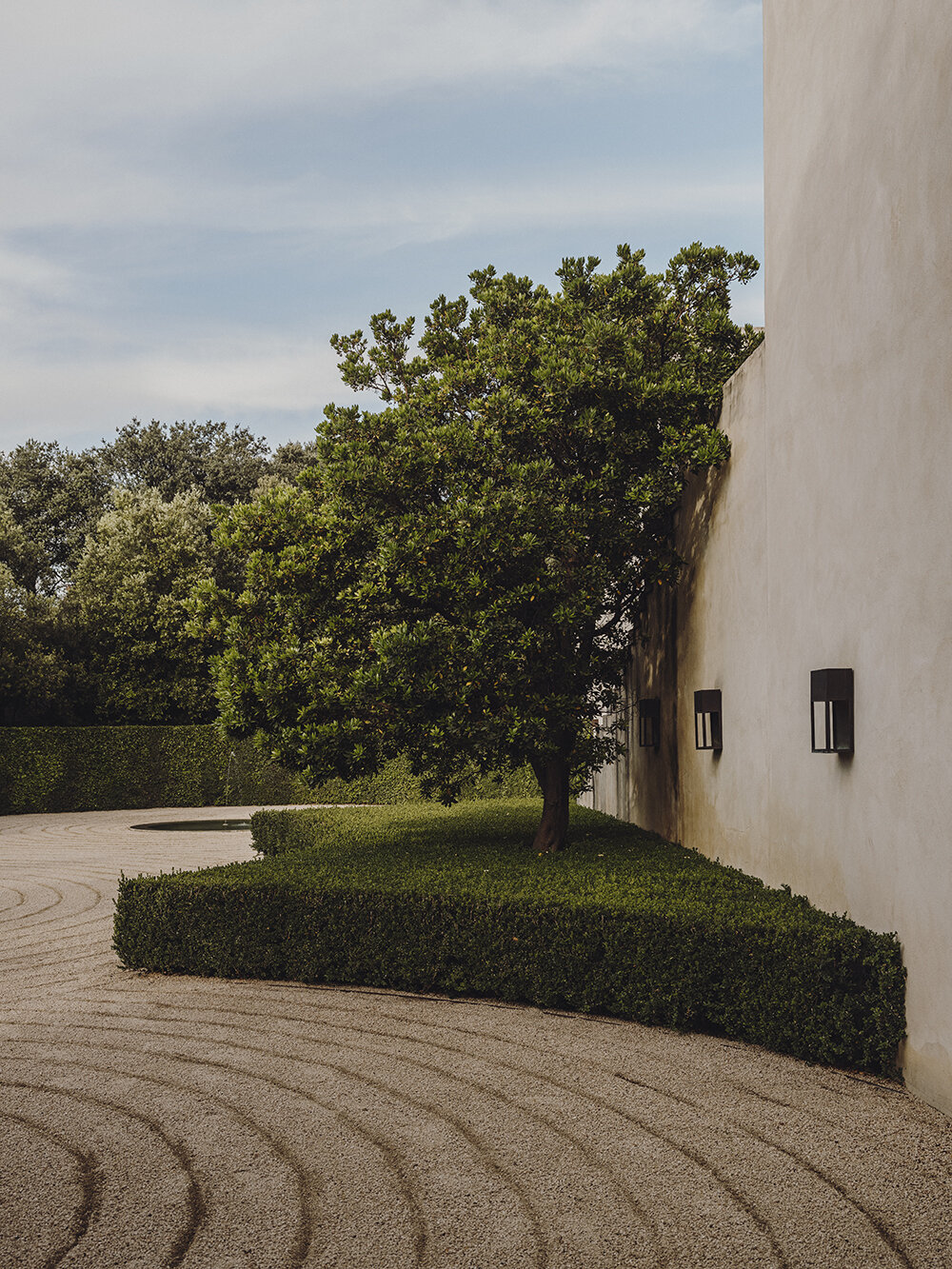
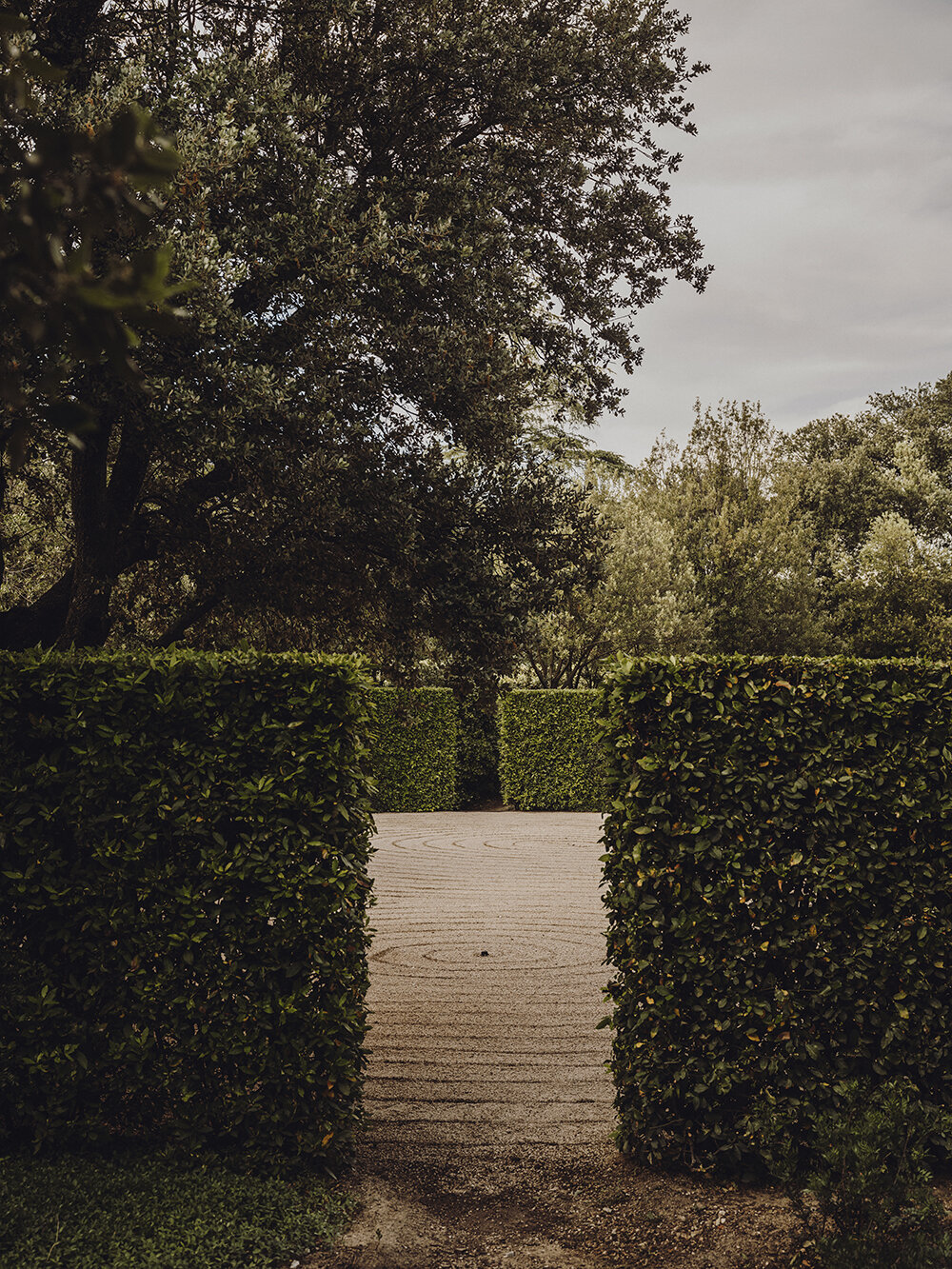
As I walk, I heed the spherical pattern traced on the ground, my mind is engrossed in circular trains of thought... I feel as if I am floating, walking on the ripples caused by an imaginary pebble as it drops into the pond... right in the middle of the circumference.
“All places possess some kind of beauty. There’s no-where in the world without beauty, because their excellence resides in light.”
The person who launched the pebble is Fernando Caruncho, interpreter of a language conveyed through light and nature, expressed in the form of a garden. However, this is not the only way that Fernando imparts its message. Today, on our visit to his studio, there is a magnetic rhythm to Fernando’s conversation that guides us in discovering what underlies that notion commonly known as a landscape or–what is tantamount to the same– what underlies what we call life.
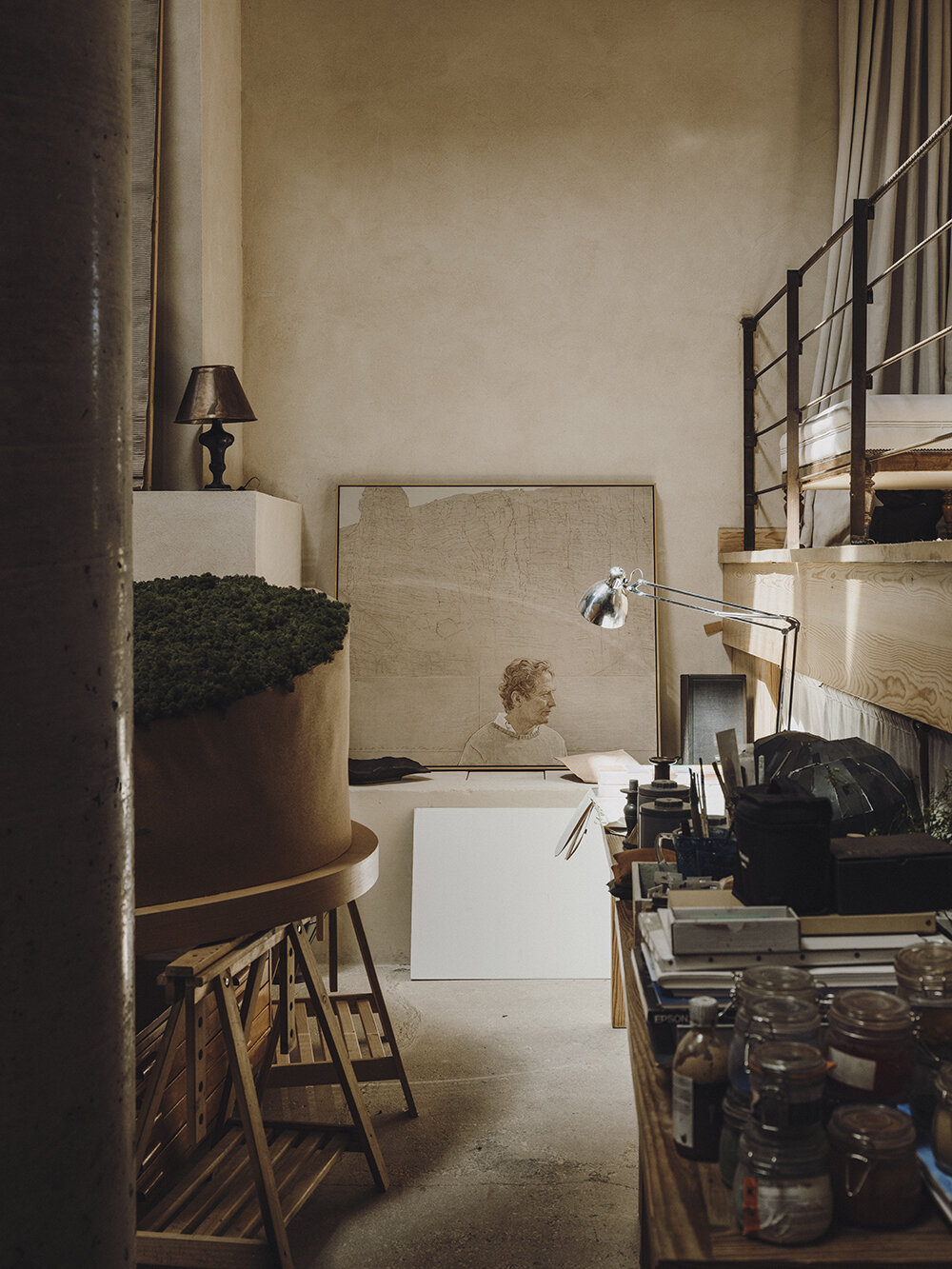
In this little corner of the world on the outskirts of Madrid, there are no shortcuts to the course of events. Time follows its natural order and the passage of time is awarded an almost religious respect. Gardening is based on this same respect. Fernando’s studio has specialized in sparking off dialogue between landscape gardening (in the sense of creating gardens conceived to accompany and enhance architecture) and this last discipline for over forty years.
Lulled by the unusual tempo of Caruncho’s words, we converse with him about the divine, the human and a combination of both. For this creator, one is meaningless without the other. His background in philosophy–whose studies he completed before turning to the world of gardening–exerts a strong influence on his vision of the world. His gentle tones and unhurried pace lend a credibility to words that have a transformational capacity. «Gardens are a question of faith, where desire plays a key role. I believe in love as a universal force. It’s that unfamiliar force that gives us our balance in this chaotic universe.»
Fernando spent part of his childhood in Ronda, Malaga, where his parents had an apartment. «At the end of the tree- lined avenue, La Alameda del Tajo, I would cling onto the railings of a vantage point hovering above a 200-metre drop and gaze at the landscape that stretched out before me», he recalls. «Maybe that was the origin of my passion. Ronda is a place where one feels closely in tune with the landscape.»
“Gardens are like all living things. They are created and they grow, mature and die in a cyclical process. I feel as if I’ve died on many occasions. By dying, I give rise to a new Fernando, whose existence would not be possible without the preceding one.”
Like the conductor of an orchestra, Fernando orders his words organically and guides us along the pathways of a philosophy that is not new but which is so rare that it seems contemporary: «The speed of today’s life trivializes events. We are always waiting for the next thing to occur and so instead of being enriched by experiences, they burn us up.» He explains that a garden’s creation, growth and development form part of that process of enrichment. «A garden takes time to reach its peak and patience is needed until that moment. Gardens are not for people who are in a hurry, but for those who understand that life is a marvellous process, filled with mystery closely tied in with nature.»
One key aspect of gardens is their sense of movement. «It’s marvellous to see how the features that generate the most movement are actually the totally static ones driven into the ground.» This interplay with reflections and surface absorbed light waves originated in the Mediterranean: «It’s an ancient method. Controlling light, empty spaces and volumes. If you can achieve that with architecture, the space is transformed into a concept. This is the case with all Mediterranean architecture. It’s totally conceptual.»

The studio we are in is a good example of this method. It is simple and welcoming, and yet brimming with originality and stylish sobriety, epitomized, above all, by the ever-present light. «A few days ago, my friend Axel remarked that what he likes most about this place is its sense of emptiness. I think he’s right. If there’s something special about it–because basically it’s just a cube with a hole on top– it’s that feeling of emptiness.»
When he embarks on a new project, the starting point is clear: «All places possess some kind of beauty. There’s no-where in the world without beauty, because their excellence resides in light.» Fernando’s work begins when the spirit of that light is expressed. Then he listens to the place and tries to reproduce the message that it conveys to him. «We don’t plan a place. We let it shape our minds through a process of observation where there’s no room for bias.» He sums it all up by saying that in architecture and gardens, «We must summon the spirit of the place.»
The words of this great thinker are guided by the spirit of generosity and he expresses his ideas with keen sincerity. «Gardens are like all living things. They are created and they grow, mature and die in a cyclical process. I feel as if I’ve died on many occasions. By dying, I give rise to a new Fernando, whose existence would not be possible without the preceding one, although this one is different from before.» When we bid farewell to each other at the end of the day, we are no longer the same people because Fernando has taught us a major lesson in life.
LA PIEDRA SOBRE EL ESTANQUE CIRCULAR
FERNANDO CARUNCHO
-
Entrevista a Fernando Caruncho en su estudio, Madrid.
-
Openhouse magazine
Issue Nº12 -
Fotografiado por Salva López
salvalopez.comCaruncho Garden & Architecture
web.fernandocaruncho.com -
FERNANDO CARUNCHO
“Todo lugar posee su belleza. No hay un sólo espacio en la tierra sin ella porque es en la luz donde reside su excelencia”
Mientras camino respetando las líneas esféricas dibujadas sobre el terreno, mi mente se sumerge en un pensamiento circular. Me siento flotar como si caminara sobre las ondas que una imaginaria piedra hubiera provocado al caer en el estanque situado en el centro de la circunferencia. Quien lanza el guijarro es Fernando Caruncho, un intérprete del lenguaje hablado entre luz y naturaleza cuya forma de expresión es el jardín. Aunque decir que ésta es la única forma en la que Fernando traslada su mensaje, sería injusto. Su conversación parece conocer un compás magnético que, durante nuestra estancia en su taller, nos lleva de la mano a descubrir qué se esconde detrás de aquello que llamamos paisaje, o lo que es lo mismo, de lo que llamamos vida.
En este pequeño rincón del mundo situado a las afueras de Madrid, no existen atajos en el devenir de los acontecimientos. El tiempo discurre según su orden natural y el respeto que se profesa a ese lapso temporal se eleva a categoría de credo. La jardinería basa su desarrollo en dicho respeto. Definido como el arte de crear jardines que acompañan y ensalzan la arquitectura, el estudio de Fernando trabaja el diálogo entre estas dos disciplinas desde hace más de cuarenta años.
Mecidos por el inusitado ritmo que acompasa las palabras de Caruncho, conversamos con él acerca de lo divino, de lo humano y de la combinación de ambos. Para este creador, lo uno no tiene sentido sin lo otro. Los estudios de filosofía —que completó antes de sumergirse en el mundo de la jardinería— mantienen una gran influencia en su manera de entender el mundo. Su tono suave y su tempo calmado aportan consistencia a un discurso que resulta transformador. «El jardín es una cuestión de fé donde el deseo es una palabra clave. El amor como fuerza del universo es algo en lo que creo. Es esa fuerza que desconocemos y que hace que estemos de forma equilibrada en este caótico universo».
Parte de su infancia la pasó en Ronda, Málaga, donde sus padres tenían un apartamento. «Allí, al final del camino arbolado de La Alameda del Tajo, me agarraba a los barrotes de la balconada situada al borde de un abismo de 200 metros y observaba el paisaje que se extendía ante mí», recuerda. «Quizá en ese lugar sea donde se encuentra la semilla de mi pasión. Ronda es un lugar donde uno se siente muy unido al paisaje».
“Al jardín le pasa como a todo lo vivo. Nace, crece, madura y muere de forma cíclica. Yo siento que he muerto muchas veces. Muero y doy lugar a un nuevo Fernando cuya existencia no es posible sin el anterior pero que ahora es diferente de antes”
Como un director de orquesta, Fernando ordena de forma orgánica las palabras y nos guía por los senderos de un pensamiento que no es nuevo, pero que de inusitado parece moderno: «La rapidez con la que se vive hoy es una banalización de los acontecimientos. Siempre estamos esperando a que llegue lo siguiente, por lo que, en lugar de enriquecernos de la experiencia, vivimos consumidos por ella». El jardín nace, crece y se transforma bajo ese impulso de enriquecimiento, explica. «Un jardín tarda en llegar a su plenitud y se requiere paciencia para verla cuando al fin llega. El jardín no es para gente que tenga prisa sino para quien entiende que la vida es un proceso maravilloso, lleno de misterio al lado de la naturaleza».
Un aspecto esencial de los jardines es la sensación de movimiento. «Es magnífico ver cómo las piezas absolutamente estáticas que uno fija de manera radical a la tierra, son las que más movimiento proyectan». Un juego producido por el reflejo y absorción de las ondas lumínicas sobre la superficie, cuya metodología nació en el Mediterráneo: «Es un código antiquísimo. El control de la luz, el control del vacío y el control del volumen. Si en arquitectura consigues eso, el espacio se convierte en un concepto. Eso es lo que ocurre con toda la arquitectura del Mediterráneo, que es absolutamente conceptual».
El estudio en el que nos encontramos da buena cuenta de dicho método. Tan sencillo como cálido, el espacio rezuma excepcionalidad y una elegante austeridad cuya máxima expresión es la sempiterna luz. «Precisamente mi amigo Axel me comentó hace unos días que lo que más le gusta de este sitio es el sentido del vacío. Y yo creo que es verdad. Si algo tiene, porque no es más que un cubo con un agujero arriba, es esa percepción del vacío».
A la hora de enfrentarse a un nuevo proyecto, la idea de la que parte es clara: «Todo lugar posee su belleza. No hay un sólo espacio en la tierra sin ella porque es en la luz donde reside su excelencia». El trabajo de Fernando comienza cuando ese espíritu luminoso se expresa. Entonces, éste escucha al espacio y trata de reproducir el mensaje que éste le hace llegar. «No proyectamos el lugar sino que dejamos que éste se proyecte sobre nosotros. Se trata de un acto de observación en el que no caben los prejuicios». Tanto en la arquitectura como en los jardines, resume finalmente, «lo que uno debe hacer es convocar al espacio».
Gran pensador, la generosidad guía las palabras de Fernando, quien las formula de un modo intenso y sincero. «Al jardín le pasa como a todo lo vivo. Nace, crece, madura y muere de forma cíclica. Yo siento que he muerto muchas veces. Muero y doy lugar a un nuevo Fernando cuya existencia no es posible sin el anterior pero que ahora es diferente de antes».

A Caravan, Caterina & Me
ICELAND
ICELAND
-
Fiction tale based on Salva Lopez’s travel to Iceland.
-
-
Photographed by Salva López
salvalopez.com -
“That house on wheels had become another travel companion. It was old, one of its indicators didn’t work and the radio-cassette player was broken, but it was full of charm.”

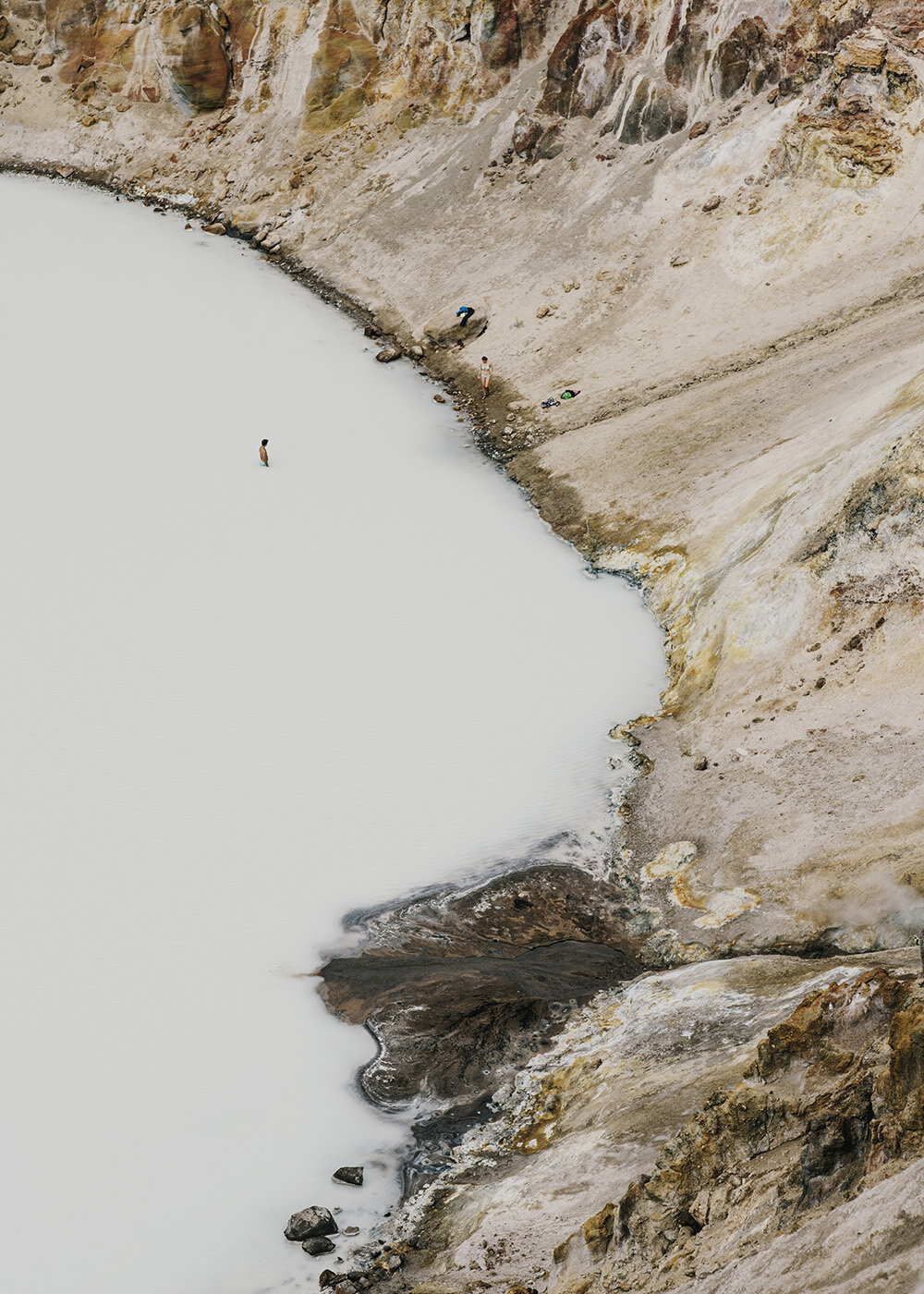
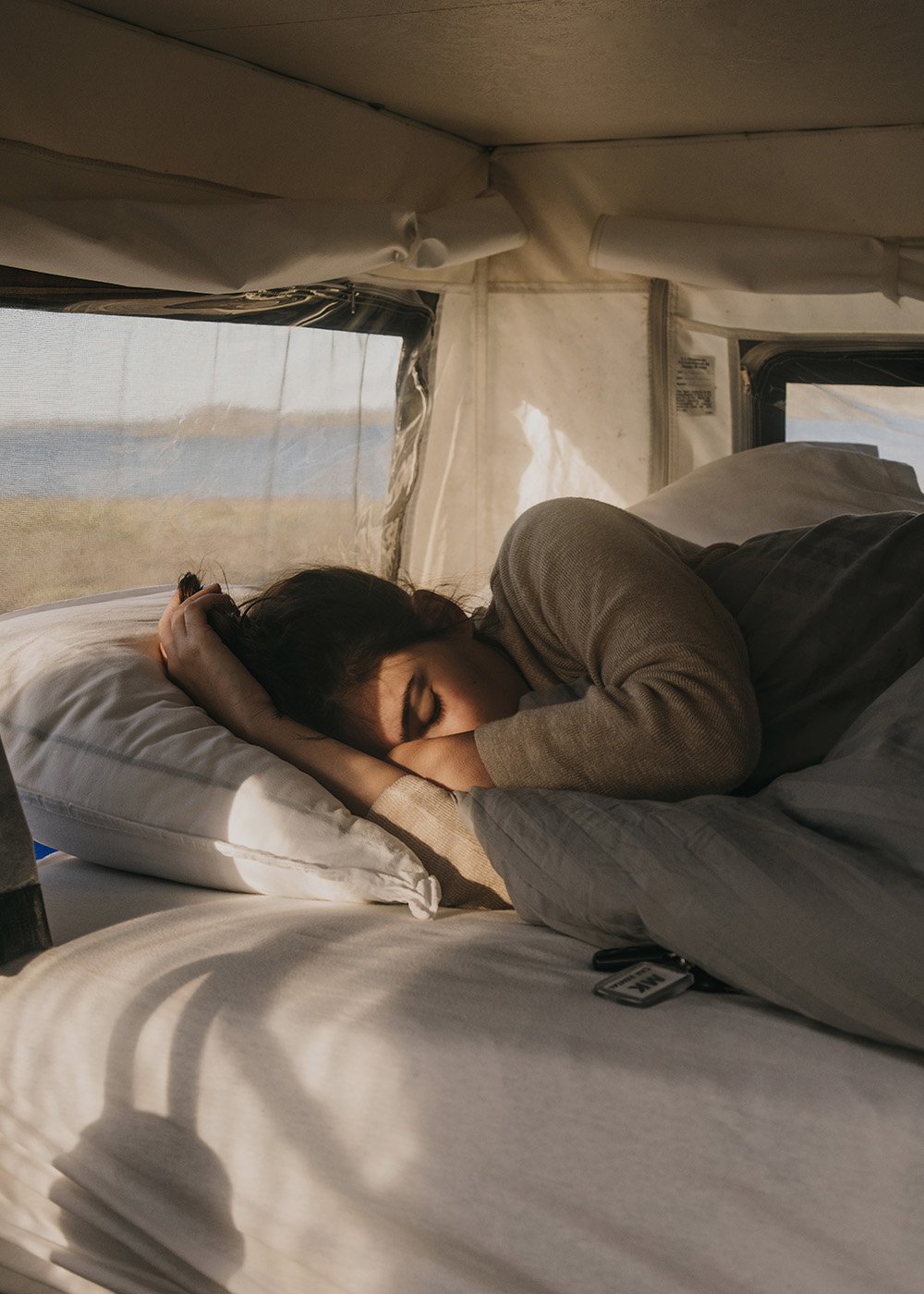
The cold morning woke us up. Caterina retracted her hand inside the sleeve of her jumper and wiped the steamed-up window for a clearer view. The rising sun covered everything around us with a beautiful golden veil: the mountains behind us, the sea before us and the lighthouse on the cliff, closing its working day.
We had been on the island for 20 days and I had spent most of the time with my head elsewhere. The constant feeling of vastness and solitude in this country with its 3.4 inhabitants per square kilometre, attracted me and overwhelmed me at the same time. I suppose I wasn’t really aware of what I was signing up for when I decided to travel to Iceland. But, despite everything, it was going well. We’d rented a cross-country caravan so that we could cook between volcanoes, swim in the island’s glaciers, sleep in its valleys and use my camera –my other great travel companion– to capture the most beautiful landscapes I’d seen in my life.
We spent hours and hours in silence, watching the wind drawing new and constantly changing tracks over the stony terrain from the shelter of our caravan. After hundreds of kilometres in this old-banger, seeing hardly a soul, my fears were slowly being dispelled and I had entered a state of excitement that came before an immense calm. What had started out as just a holiday had become something else. I felt small, but complete.
In our last few hours in Iceland, heading back to the caravan rental company, I searched for ‘My Home is Nowhere Without You’ by Herman Dune on Spotify. The sound of the banjo came through the small speaker connected to my smartphone as we crossed the island with all of our possessions.
Echoing the message of the song, I got the feeling that my home wasn’t a place. My home was the people with whom I shared my life. That house on wheels had become another travel companion. It was old, one of its indicators didn’t work and the radio-cassette player was broken, but it was full of charm.
It had put up with the nuisance of Caterina’s sprained ankle, had sheltered us from the rain and cold of a climate that was as changeable as the landscape, and had protected us when another car drove into us because the driver hadn’t seen us indicating. The caravan had been a witness to my change and our change. I would like to think that, just like the surface of that small, great island, the wind had shaped mine and Caterina’s perspectives, freeing us from the prejudices we’d had when we arrived.
The photos I took with my camera show Iceland in all its indisputable splendour, but I’m not sure that they really capture its essence. When I think about that trip, it is not these images that come to mind, but rather those of that home on wheels: beautiful, wise and imperfect.
Una caravana, Caterina y yo
ICELAND
ISLANDIA
-
Historia ficcionada sobre el viaje de Salva López en Islandia.
-
-
Fotografiado por Salva López
salvalopez.com -
“Aquella casa rodante se había convertido en una compañera más de viaje. Era antigua, uno de los intermitentes no funcionaba bien y el radio-casette se había estropeado, pero estaba llena de encanto.”
El frío de la mañana nos despertó. Caterina metió su mano dentro de la manga del jersey y limpió el empañado cristal para ver a través de él. El sol comenzaba a inundarlo todo con un espléndido velo dorado: las montañas a nuestra espalda, el mar al frente y el faro, acabando su pequeña jornada sobre el acantilado. Llevábamos 20 días en la isla y yo me había pasado la mayor parte del tiempo con la cabeza en otra parte. La incesante sensación de inmensidad y de soledad en una país con 3,4 habitantes por kilómetro cuadrado, me atraía y al mismo tiempo me abrumaba. Supongo que no era muy consciente a lo que me sometía cuando decidí viajar a Islandia. Alquilamos una caravana todoterreno que nos permitiría cocinar entre volcanes, bañarnos en sus glaciares, dormir en sus valles.
Ésta además me ayudaría a capturar con mi cámara —mi otra gran compañera de viaje— los lugares más extraordinariamente hermosos que jamás haya visitado.
Pasamos horas y horas en silencio, observando desde nuestra caravana 4x4 cómo el pedregoso terreno se dejaba mecer por un viento que dibujaba sobre él nuevas sendas imposibles de capturar en su mutabilidad. Tras cientos de kilómetros dentro de ese cacharro sin apenas ver a nadie, mis miedos se fueron disipando y experimenté un estado de excitación previo a una inmensa calma. Lo que comenzó como unas simples vacaciones se había convertido en algo más. Me sentía pequeño pero completo.
En nuestras últimas horas en Islandia, de camino a la empresa de alquiler de la caravana, busqué “My Home is Nowhere Without You” de Herman Dune en Spotify. El banjo comenzó a sonar desde el pequeño altavoz conectado a mi smartphone mientras atravesábamos la isla acompañados de todos nuestros trastos.
Tal y como rezaba la canción, sentía que mi hogar no estaba en ninguna parte. Mi hogar eran las personas con las que compartía mi vida. Aquella casa rodante se había convertido en una compañera más de viaje. Era antigua, uno de los intermitentes no funcionaba bien y el radio-casette se había estropeado, pero estaba llena de encanto. Había soportado las incomodidades del esguince que sufrió Caterina, nos había resguardado de la lluvia y del frío en un clima tan cambiante como el paisaje, y nos protegió del golpe con aquel otro conductor que no vió el intermitente encenderse.
La caravana había sido testigo de mi cambio; de nuestro cambio. Quiero pensar que, como la superficie de aquella pequeña gran isla, el viento había ido limando la mirada de Caterina y la mía propia, liberándonos de los prejuicios que la nublaban cuando llegamos.
Las fotografías que tomé con mi cámara muestran una Islandia de incontestable esplendor, pero no sé si realmente capturé su esencia. No son estas imágenes las que asoman a mi recuerdo cuando pienso en aquel viaje, sino las de aquella casa rodante, sabia, bella e imperfecta.

A Keen Photographic Eye
JOANA
BIARNÉS
You can tell from her undeniable charisma, amazing vitality, courage and brilliant sense of humour how she managed to hold her own among her male peers and how -despite ups and downs- she’s never lost her pugnaciously feisty spirit.
-
Interview to the first women photojournalist in Spain, Joana Biarnés.
-
Openhouse magazine
Issue Nº9 -
Archive photos courtesy of
Joana BiarnésPortrait by Lander Larrañaga
landerlarranaga.com -
JOANA BIARNÉS
Truly great people tend to stand out for their humility, at least that is the case of Joana Biarnés, Spain’s first female photojournalist. You can tell from her undeniable charisma, amazing vitality, courage and brilliant sense of humour how she managed to hold her own among her male peers and how -despite ups and downs- she’s never lost her pugnaciously feisty spirit. That spirit has remained intact or may actually have grown since she first decided to hang a camera around her neck and go out into the world to photograph it.
Juanita (as her colleagues call her) wanted to get on with her work as a photojournalist just like any other of her peers, but as she strove along the way to demonstrate her passion for photography and talent for the job, she actually became one of the pioneers of the early 60s struggle for sexual equality.
Joana is a strong-spirited woman who has had several passions in her life. The first one was photojournalism: a profession she was drawn to by her father, a sports photographer himself, whom she assisted in his laboratory since she was a child. His wisdom and integrity inspired Joana to try her hand at her own photographic reports and to embark on a career where she would compete with male rivals with full dedication albeit the undeniable uneven footing. “Photojournalism has to be in your blood. It can get you into trouble or take over your life on occasions, so you have to love it. For me, it’s been like living with someone whose defects you forgive,” she explains.
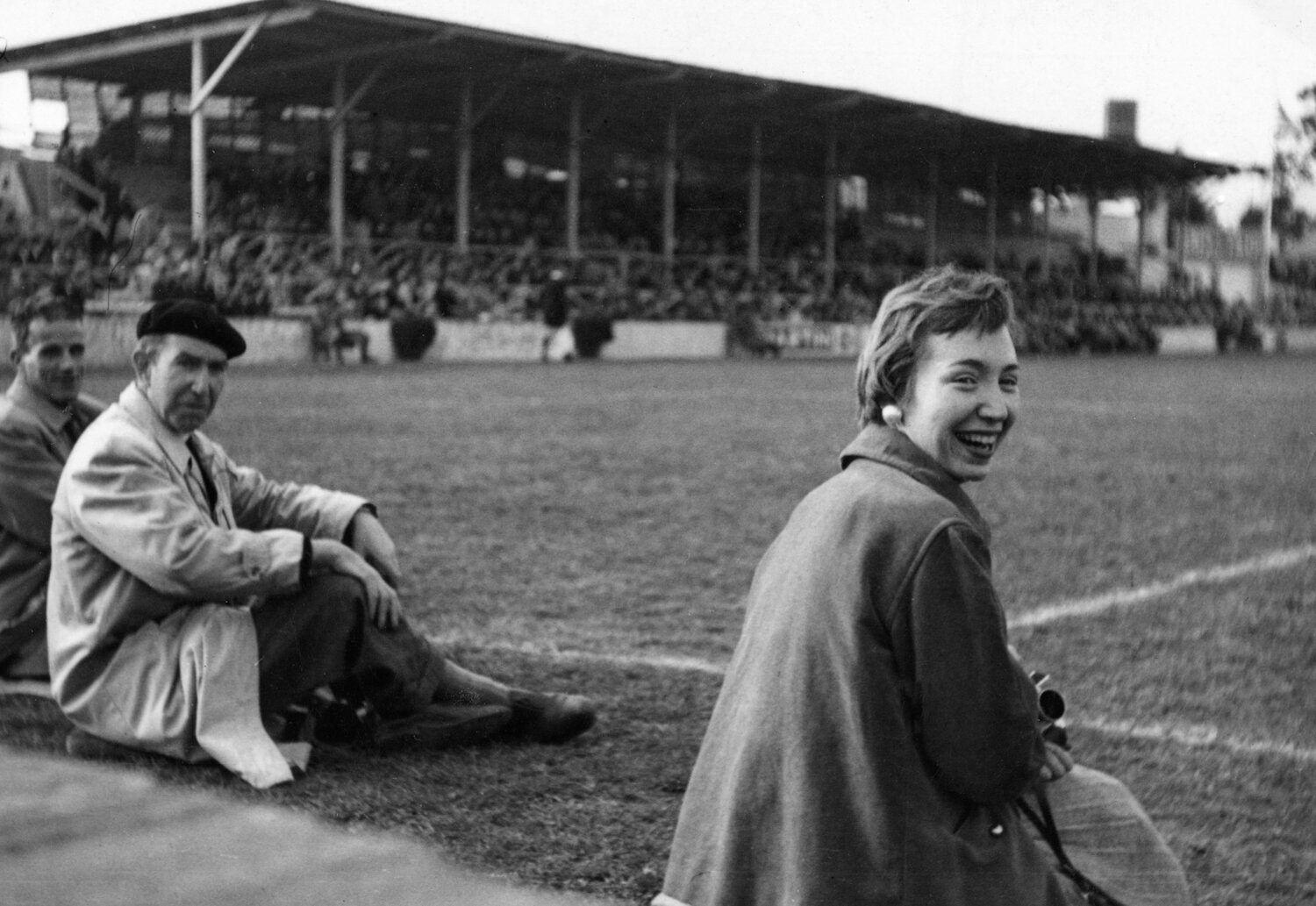
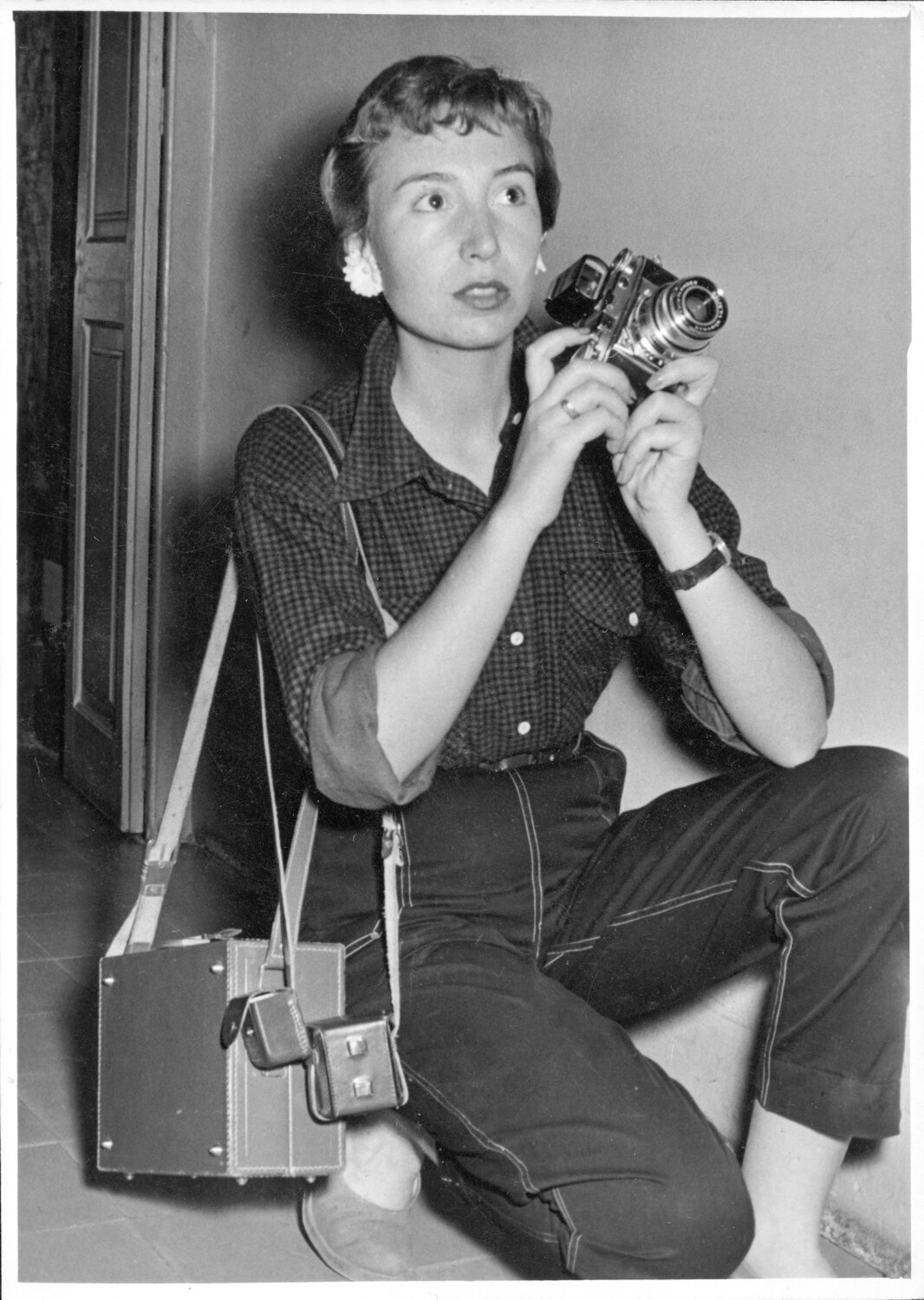
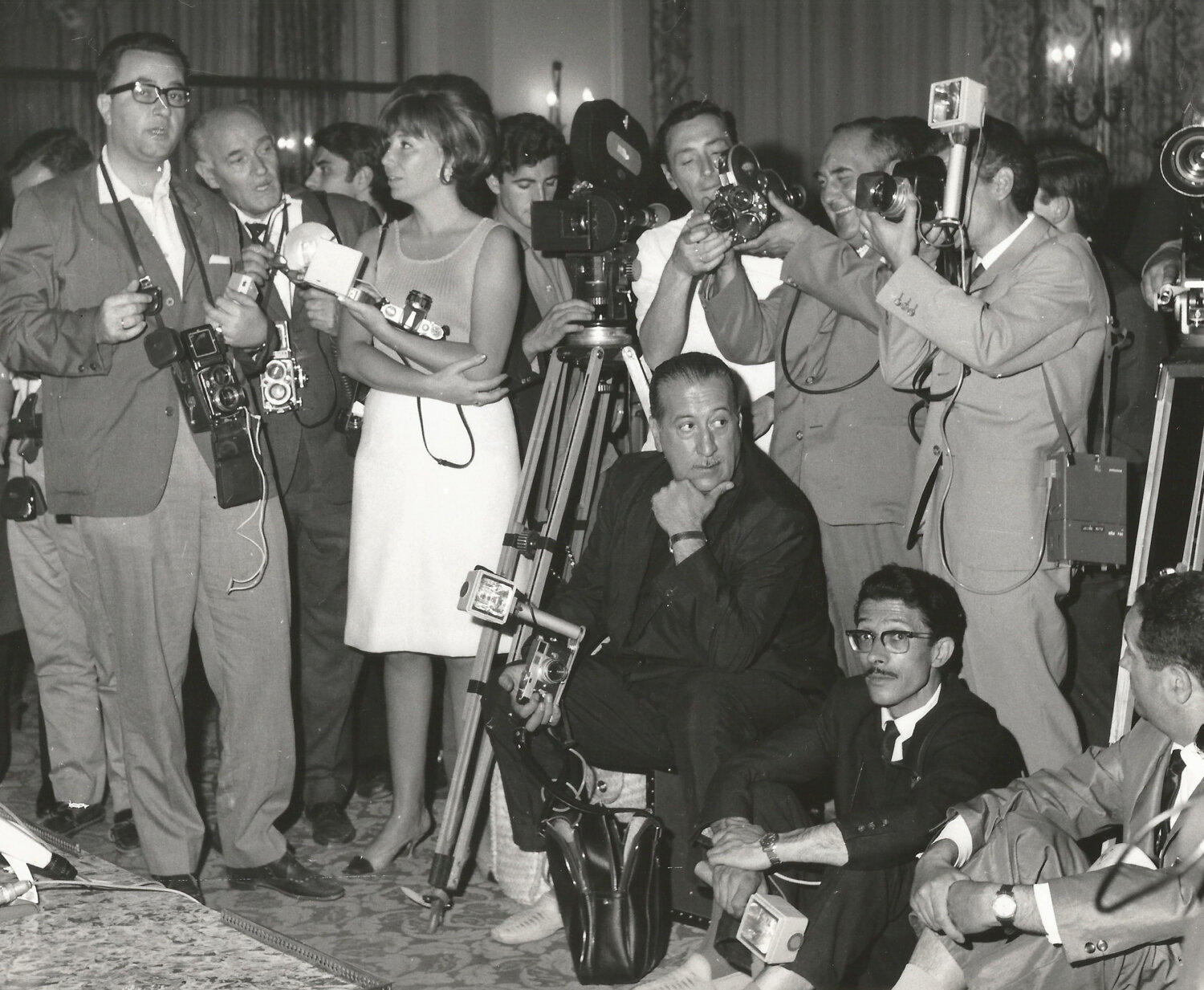
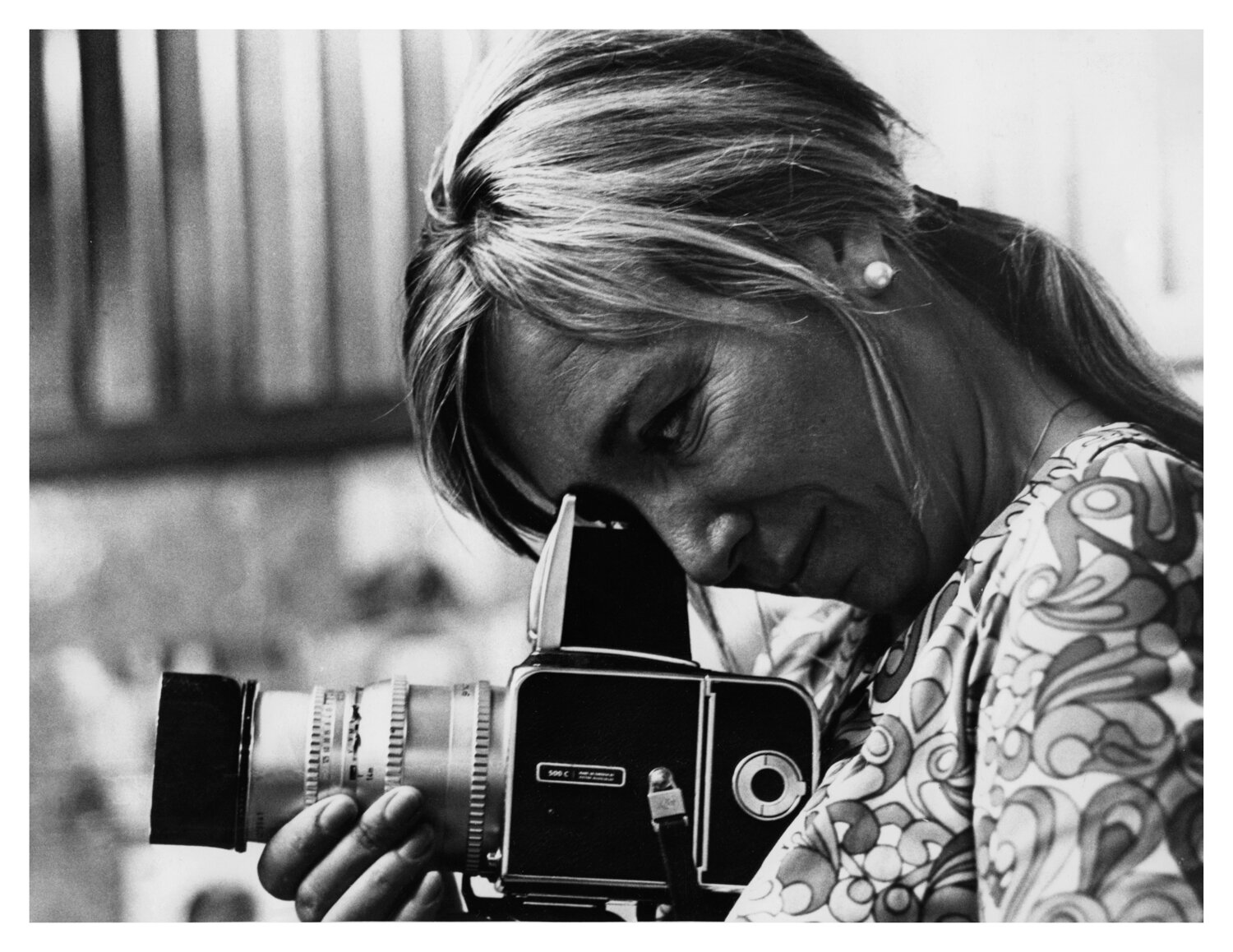
“Photojournalism has to be in your blood. It can get you into trouble or take over your life on occasions, so you have to love it. For me, it’s been like living with someone whose defects you forgive”
If she had to find one word to describe what she came up against in the early years of her career, it would be incomprehension: “A hell of a lot of it! Mainly coming from men who didn’t like the idea of a woman photographing them but also from the government. There was harassment. Not sexual but gender-related harassment because I was both a woman and a photographer,” she says. “The police would systematically throw me out of all official buildings only because I was a woman, even though I had credentials. That’s a huge jolt!” she adds, offended. When talking about her job, Joana always made a point in using the masculine word ‘fotógrafo’ in Spanish (photographer) as opposed to the feminine ‘fotógrafa’. “It would have been a concession to say ‘fotógrafa’: I was one of the boys -but in skirt and heels!”.
Her father always encouraged her to try to capture ‘the photo of all photos’: that one and only photo that is key to stand out from the crowd. Keeping that idea in mind, while she was assisting once in a press conference given by The Beatles in Madrid in 1965, Joana managed to sneak into the hotel where the band was staying. She spent three hours chatting with them, pointing her camera and firing away. “I think they didn’t believe I was a photographer. I guess they thought I was just a groupie who’d made it all up about being a photojournalist”. The newspaper she was working for by then, Pueblo, wasn’t interested in her report on the Liverpool lads so she ended up giving it away to another publication. She never got paid for that world exclusive set of photos but she rose in status. She became famous Spanish singer Raphael’s official photographer and travelled around half the world photographing him while also publishing numerous society reports of her own where she captured major celebrities from that time such as Lola Flores, Sara Montiel, Orson Welles, Joan Manuel Serrat or Audrey Hepburn.
In the early 80s, when sensationalism took over the pages of newspapers to the detriment of real journalism, her passion for photojournalism ended in disillusion and her career stopped when she turned 50. She left the profession, sold all her cameras and moved to Ibiza where she had a house. There, she would constantly be visited by friends, lured by her flair and talent for cooking. She realized she could turn this other passion of hers into a new career. Her husband Jean Michel Bamberger supported her idea and together they transferred her talents into “Cana Joana”, a restaurant where Jean Michel waited the tables while Joanna would be in charge of the kitchen. “The restaurant we created was a huge success in an Ibiza that was marvellous back then”.
“The police would systematically throw me out of all official buildings only because I was a woman, even though I had credentials. That’s a huge jolt!”
She devoted herself to her new trade for twenty-two years, never taking photographs of all of the famous people who visited Cana Joana, like Roman Polanski or Juan María Arzak. Nonetheless, she has an endless list of anecdotes just like that day when Naomi Campbell came for dinner. “The second time she came in, Jean Michel got her a table at the back. That way the clients could see her every time they would go to the toilets! She was wearing a miniscule miniskirt and a belt with a huge buckle and she walked like a gazelle. You should’ve seen the diners’ faces! For a second, there was total silence, everyone stopped eating!”.
But in 2011, Joana was unexpectedly reunited with photography -her true passion in life- thanks to her first piece of photographic work published back in 1962: a report about major floods in Terrassa, the city where she was born on the Spanish coast. Journalist Cristóbal Castro was preparing an exhibition to mark the 50th anniversary of that tragedy and he contacted her to see what kind of material she had. When Castro discovered her amazing original archives, Joana was actually on the verge of destroying them all, convinced no one would ever find any value to them.
Cristóbal Castro helped Joana to resuscitate, not only as Spain’s first female photojournalist but also as a photographer with a remarkable eye. Despite the odds, Joana has no regrets for having had to giving it all up back then. “I’d do it all again though because time has shown that it was worth it. And now out of the blue, I’m reaping the rewards!”. Now 83 years old, Joana has several projects in the pipeline, her camera slung round her neck again and the same avid enthusiasm that always characterized her. If her eyesight might be weaker today, she has not lost her keen photographic eye because, in her own words, “my shots are always coming from the heart”.
Una mirada que traspasa la cámara
JOANA BIARNÉS
Su indiscutible carisma, su tremenda vitalidad, su valentía y su gran sentido del humor dejan claro por qué logró ser una entre todos.
-
Entrevista a la primera mujer fotoperiodista de España, Joana Biarnés.
-
Openhouse magazine
Issue Nº9 -
Fotos de archivo cortesía de Joana Biarnés
Retrato de Lander Larrañaga
landerlarranaga.com -
JOANA BIARNÉS
Los grandes personajes suelen destacar por su humildad. Al menos este es el caso de Joana Biarnés, la primera fotoperiodista española. Su indiscutible carisma, su tremenda vitalidad, su valentía y su gran sentido del humor dejan claro por qué logró ser una entre todos. Cómo, pese a los malos momentos y especialmente gracias a los buenos, continúa conservando un carácter vital y combativo, tanto o más que cuando decidió colgarse del cuello una cámara de fotos para salir a capturar el mundo.
Juanita, como le llamaban sus compañeros, únicamente quiso desempeñar la profesión de fotoperiodista como el resto de sus colegas, pero mientras intentaba mostrar su amor por la fotografía y su valía en el oficio, también se convirtió en una pionera en la lucha por la igualdad de derechos entre hombres y mujeres a principios de los años 60.
Mujer de intensas emociones, Joana ha tenido varias pasiones en su vida. La primera fue el fotoperiodismo, una profesión a la que llegó de manos de su padre, fotógrafo deportivo, a quien ayudaba en el laboratorio desde que era una niña. Su sabiduría e integridad animaron a Joana a realizar sus propios reportajes e iniciar una carrera en la que compitió con sus compañeros en clara desventaja, pero con total entrega. “El fotoperiodismo es algo que tienes que sentir. Te da disgustos y te domina en ocasiones, pero aún así hay que quererlo. Para mí es como una pareja a la que perdonas ciertas cosas”, explica.
Si tuviera que escoger un término que defina por lo que pasó durante los primeros años de su carrera, esa palabra es incomprensión: “Muchísima. Por parte de hombres a quienes incomodaba que fuese una mujer quien les retratase y por parte del Gobierno de la época. Un acoso, no sexual pero sí de género, por ser mujer y fotógrafo”, explica indignada. “La policía me echaba sistemáticamente de todos los edificios oficiales, aunque llevase las credenciales, por el hecho de ser mujer. Esto te da un golpe muy duro”. Siempre defendió la formulación masculina del oficio: “Decirlo en femenino era como hacer una concesión. Yo era un fotógrafo más, solo que con falda y zapatos”.
“El fotoperiodismo es algo que tienes que sentir. Te da disgustos y te domina en ocasiones, pero aún así hay que quererlo. Para mí es como una pareja a la que perdonas ciertas cosas”
Su padre le había enseñado a que debía obtener ‘La Foto’. Aquella imagen que fuese la clave de la historia y que se diferenciara de la que hacían los demás. Movida por ese impulso, en 1965, tras la rueda de prensa que los Beatles habían ofrecido con motivo de su concierto en Madrid, Joana consiguió colarse en la suite del hotel en la que se hospedaban. “Creo que no se tomaron en serio que era fotógrafa. Pensaron que era una ‘groupie’ que se había inventado que era fotoperiodista”. Pasó tres horas charlando y disparando con su cámara. El diario Pueblo, donde trabajaba, no quiso el reportaje de los cuatro de Liverpool, así que Joana lo acabó regalando a otra publicación. Nunca recibió dinero de aquella exclusiva mundial pero su situación mejoró. Se convirtió en la fotógrafa de Raphael y recorrió medio mundo retratando su figura, además de publicar múltiples reportajes de sociedad con grandes personalidades de la época como Lola Flores, Sara Montiel, Orson Welles, Joan Manuel Serrat o Audrey Hepburn.
“La policía me echaba sistemáticamente de todos los edificios oficiales, aunque llevase las credenciales, por el hecho de ser mujer. Esto te da un golpe muy duro”
Su pasión por el fotoperiodismo acabó en desengaño a principios de los 80, cuando el sensacionalismo comenzó a llenar páginas al tiempo que el periodismo desaparecía de ellas. Con gran pesar, a sus 50 años de edad, Joana cerró un capítulo de su vida. Dejó la profesión, vendió todas sus cámaras y se mudó a Ibiza, donde tenía una casa. Allí, las visitas de amigos atraídos por la buena mano de Joana en la cocina, eran constantes. Pronto se dio cuenta de que esta otra pasión podría convertirse en un nuevo oficio. Su marido, Jean Michel Bamberger, le apoyó en su decisión y juntos trasladaron su química a Cana Joana en 1985, él atendiendo las mesas y ella en los fogones. “Montamos el restaurante con muchísimo éxito y en una Ibiza maravillosa”.
Profesó su amor a la cocina durante veintidós años, tiempo en el que no fotografió a ninguno de las nombres conocidos que visitaron el restaurante, como Roman Polanski o Juan María Arzak. Su archivo de anécdotas, sin embargo, es inagotable. Recuerda las visitas de Naomi Campbell: “La segunda vez que vino, Jean Michel instaló su mesa en el fondo de la sala para que los comensales la vieran cada vez que tuviera que ir al baño. Caminaba como una gacela, con una minifalda cortísima y un cinturón con una gran hebilla. ¡Si ves las caras de los clientes. Un silencio! Todo el mundo dejó de comer por un instante”.
Ahora Joana se reencuentra con la fotografía, su gran amor, gracias a su primer trabajo, publicado en 1962: un reportaje sobre las riadas de Terrassa, su ciudad natal. En 2011, Cristóbal Castro preparaba una exposición con motivo del quincuagésimo aniversario de la catástrofe y contactó con ella para ver su material. Éste descubrió el extenso archivo que Joana aún conservaba justo cuando ella se disponía a destruirlo, convencida de que nadie le daría un valor.
Cristobal recuperó su nombre, no sólo como primera fotoperiodista de España, sino como un fotógrafo con una mirada única. A pesar de ello, nunca se ha arrepentido de dejarlo: ”Volvería a hacerlo porque el tiempo me ha demostrado que mereció la pena. Ahora, sin esperarlo en absoluto, estoy recogiendo el premio”. Con la misma ilusión de los inicios, a sus 83 años, Joana ha vuelto a colgarse la cámara y está preparando varios proyectos. Hoy abraza el objetivo con menos capacidad de visión pero con la misma mirada de entonces porque, como ella misma dice, con lo que dispara es con el corazón.
BREAKING THE BOUNDARIES OF CONVENTION
SOLO OFFICE
With only the basic elements of a home – and no more – its main ornament is its setting, which sweeps us away with its breathtaking magnificence.
SOLO
OFFICE
-
Story about Solo Office, part of Solo Houses project.
-
Openhouse Magazine
Issue Nº8 -
Pictures by Mari Luz Vidal
mariluzvidal.comSolo Office
solo-houses.com/house/solo-office-kgdvs/ -
Ideas are intangible; they have led us to design cities and establish ways of life from the beginning of time. They are the first and most obvious acts of human understanding. They have no boundaries, and those which we attribute to them are often artifices that we imposed upon ourselves, so long ago that our minds have forgotten. Art strives to represent that break with convention, to cast off the information we have grasped and reinterpret what we view as natural and unmovable. Works are created that show us how other worlds are possible. Architecture is one key force in this construction of society, influencing and questioning everything around us.
Solo Houses is a project that challenges prevailing views. On a quest to reinterpret a lifestyle, Christian Bourdais and Eva Albarrán have put architecture at the service of nature, and present the force of combining the two, to those who wish not only to view the work, but to become a part of it. When the entire project is completed, Solo Houses intends to become a gallery of sorts in the middle of a forest, with life-size pieces signed by leading young contemporary architects: a catalogue of houses in sync with our times, places for yielding to the certainty of having an extraordinary experience. Art lovers will not be looking at photographs, architectural drawings, or models, as in a typical gallery. Here, they will be invited to touch, smell, and inhabit the works.
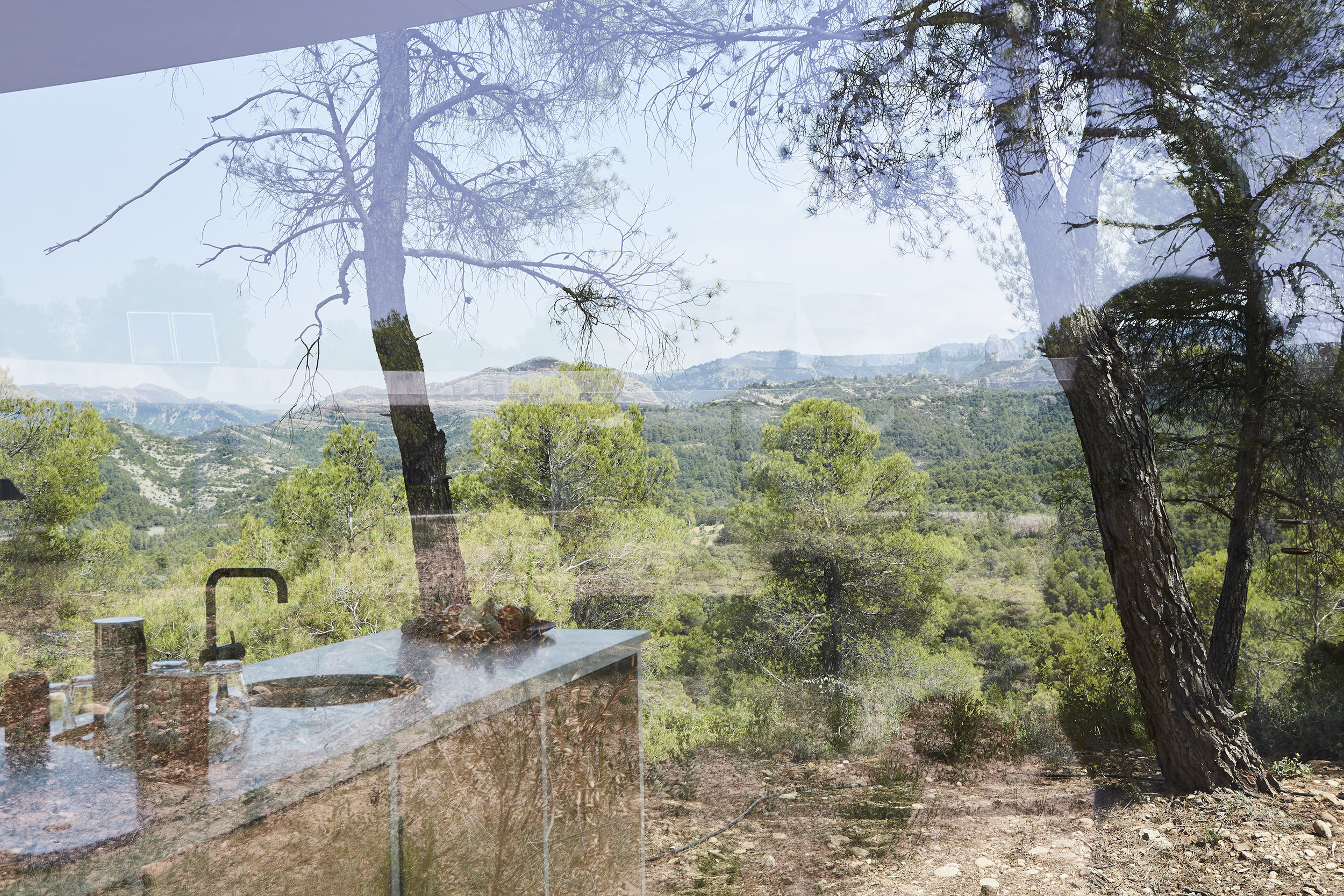


Solo Office is the second piece in the Solo Houses project, which began with a construction designed by Pezo Von Ellrichshausen and is now being continued by the Belgian firm OFFICE Kersten Geers David Van Severen. It was late on the last Friday night of summer when we visited there, driving down a country road surrounded by trees behind the Sistema Ibérico mountain range. Lightning flashed in the distance, announcing a storm that never quite took hold. After a few more bends in the road, a gravel trail led us not only to a house, but also to a state of mind; a sort of parallel reality. It was as if we had crossed a space-time portal in which both the parts and the whole led us to merge with the environment, to slide into its new tempo.
OFFICE’s Kersten Geers & David Van Severen shed all social conventions and delved into artistic creation. Shaped as a circle with a total surface area of 1600 m2, the building is dominated by a void in the centre, more than two thirds of its size. The building challenges physical boundaries while questioning the actual definition of makes a house, in an exercise of style that involves a reinvention of spaces featuring the movable exterior walls by artist Pieter Vermeersch. These panels open and close the three distinct pavilions – the living room and kitchen, the main bedroom and the guest bedrooms – which, stripped of this framework on the outer face of the circumference, break the boundary between nature and human intervention.
“We don’t live in the forest, we live with it. The house spans as far as the eye can see – whether we’re cooking, stretched out on the bed, or soaking in the tub in the master bathroom”
“We don’t live in the forest, we live with it. The house spans as far as the eye can see – whether we’re cooking, stretched out on the bed, or soaking in the tub in the master bathroom.” Looking out upon the rocky hills of the Parque Natural de Els Ports, the rays of sunlight on the horizon pour in and out of each corner of the house, claiming their ownership over a piece built in their praise.
The glass surfaces facing the inner courtyard again blur the barriers between interior and exterior; light shines through in endless tones, heightened by the metallic curtains, the reflective bathroom enclosures and the mirrored doors to the three rooms. The hybrid lamps by artist Richard Venlet and the line of furniture by the Muller Van Severen designers complete the austere luxury in which nothing interferes with a nakedness that is proud to show itself to the world.
With only the basic elements of a home – and no more – its main ornament is its setting, which sweeps us away with its breathtaking magnificence.