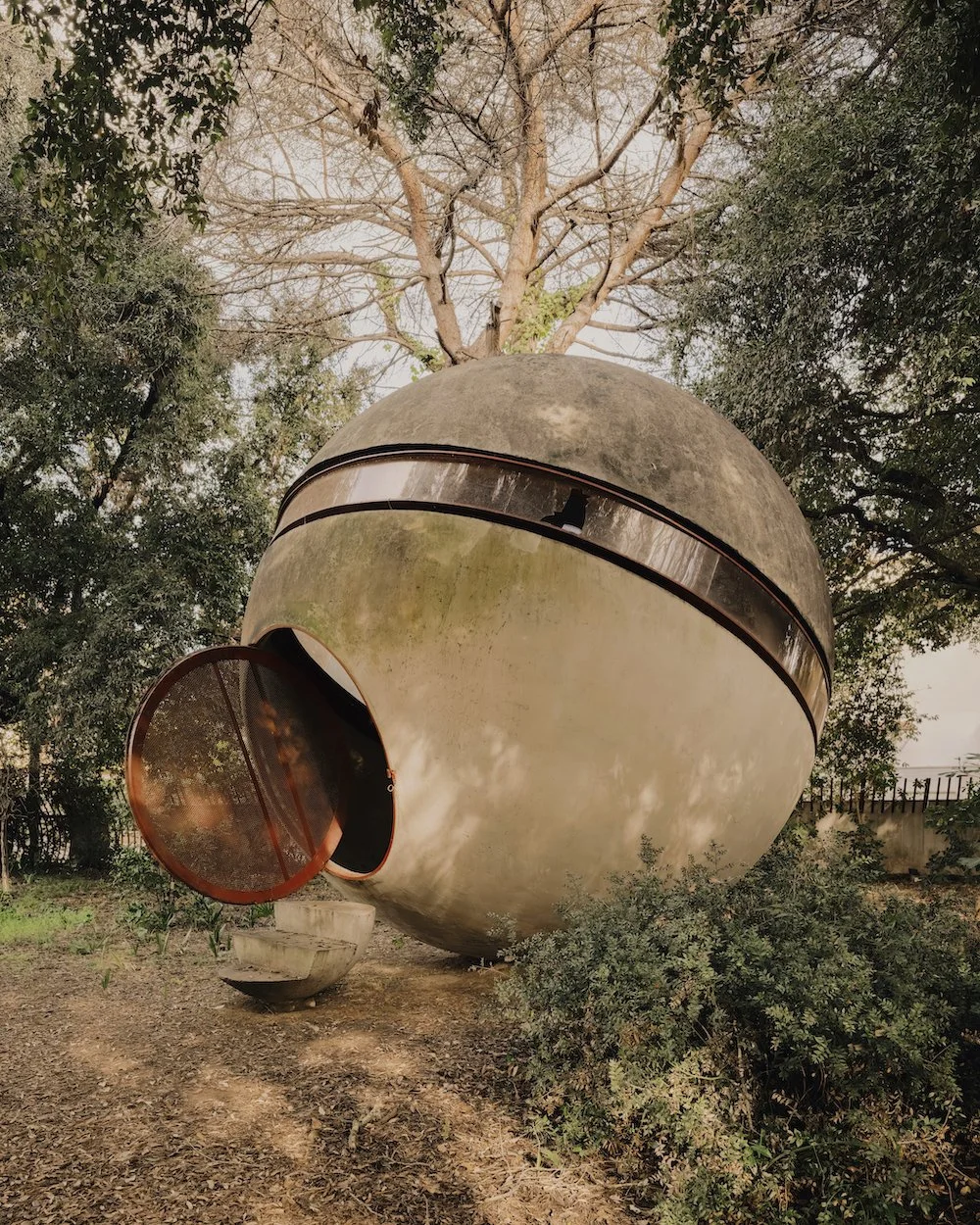
EDITOR'S LETTER OF ISSUE No.25
OBSESSIONS: A SELF PORTRAIT
Obsession is a double-edged sword. A line upon which certain people choose to walk, tightrope-walker-style: measuring their weight, taking three steps forward and one back, arms outstretched towards what is yet to come.
OBSESSIONS: A SELF PORTRAIT
There is a moment, difficult to pinpoint, when the things we love can begin to consume us. This is not always a bad sign. Sometimes it is simply an indication that something truly matters to us. This is how we live today. We are in the age of the “-holic”: the workaholic, the shopaholic, and whatever comes next. A mode of existence that begins as something deeply personal and that technology has turned into something communal. Social networks did not invent the phenomenon, but they have sharpened it with an algorithm that, the moment it detects our attraction to something, returns it to us multiplied, amplified, almost hyperbolic; until it becomes difficult to distinguish where genuine interest ends and where vertigo begins, as though obsession were the only valid measure of desire.
“It becomes difficult to distinguish where genuine interest ends and where vertigo begins, as though obsession were the only valid measure of desire.”
At Openhouse, we are fascinated by people who are obsessed with something and, in this issue, we introduce some of them. There is Luis Sendino, whose devotion to post-war Japanese design has led him to build a collection that speaks for itself across our pages. More eclectic, intimate, personal and contemporary is the one Andrés Carretero has been quietly gathering over the years, with no greater ambition than the pleasure of surrounding himself with pieces that stir something in him.
For some, it is not the object but the process that takes hold. Those who live in that eternal tension between honouring the passage of time and intervening in it. Casa Albero exists in that limbo: an architectural gem that bears its cracks without shame, that coexists with nature and merges into it. That begins in the past yet carries the scars of everything it has lived through, worn close to the surface.
“Obsession is a double-edged sword. A line upon which certain people choose to walk, tightrope-walker-style: measuring their weight, taking three steps forward and one back, arms outstretched towards what is yet to come.”
Obsession is a double-edged sword. A line upon which certain people choose to walk, tightrope-walker-style: measuring their weight, taking three steps forward and one back, arms outstretched towards what is yet to come. That is how I like to see our protagonists. From the Enrich family to Studio KO, whose understanding of architecture as a sinuous intervention in place has led them to create a gallery with Nathalie Guihaumé, called L’Œil de KO. All of them have made their passion a way of inhabiting the world. Because all these obsessions make life a far more interesting place to be. Even if, at times, they make those who carry them suffer. Like a wound one returns to every so often, just to check it is still there, still alive, still with something to say. Perhaps that is the most honest thing a human being can do: stop pretending it no longer hurts.
REFUGIOS DE VERANO
FINCA LA CASETA
FINCA LA CASETA
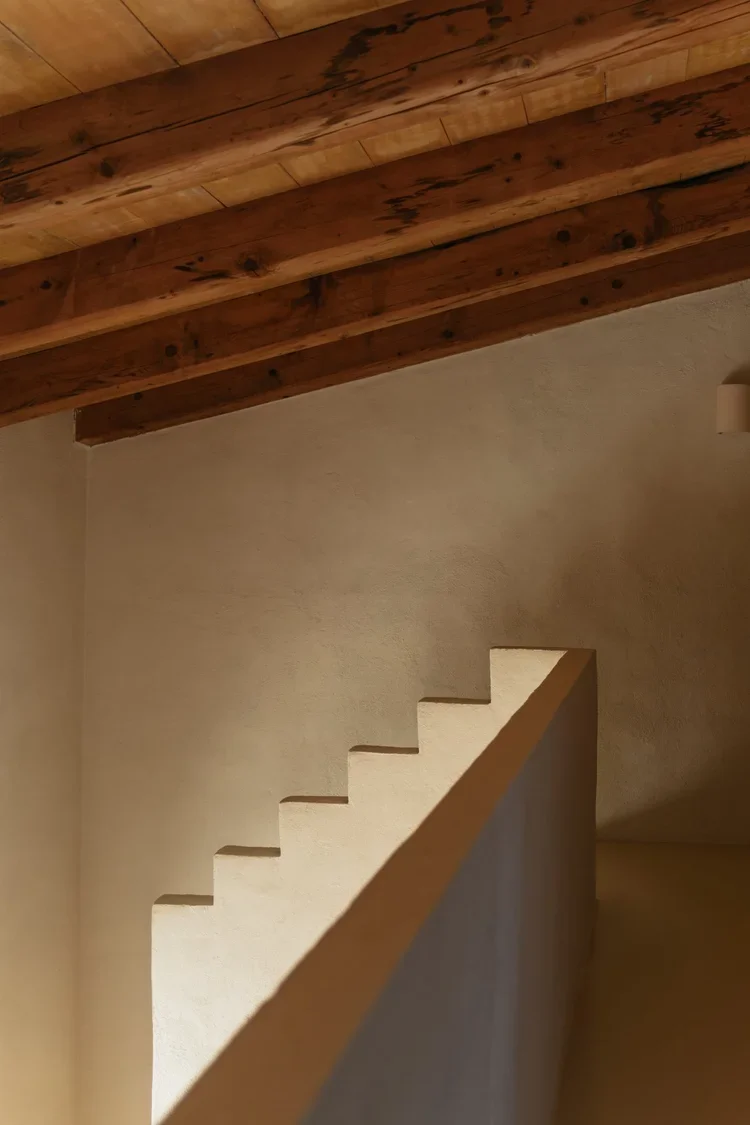
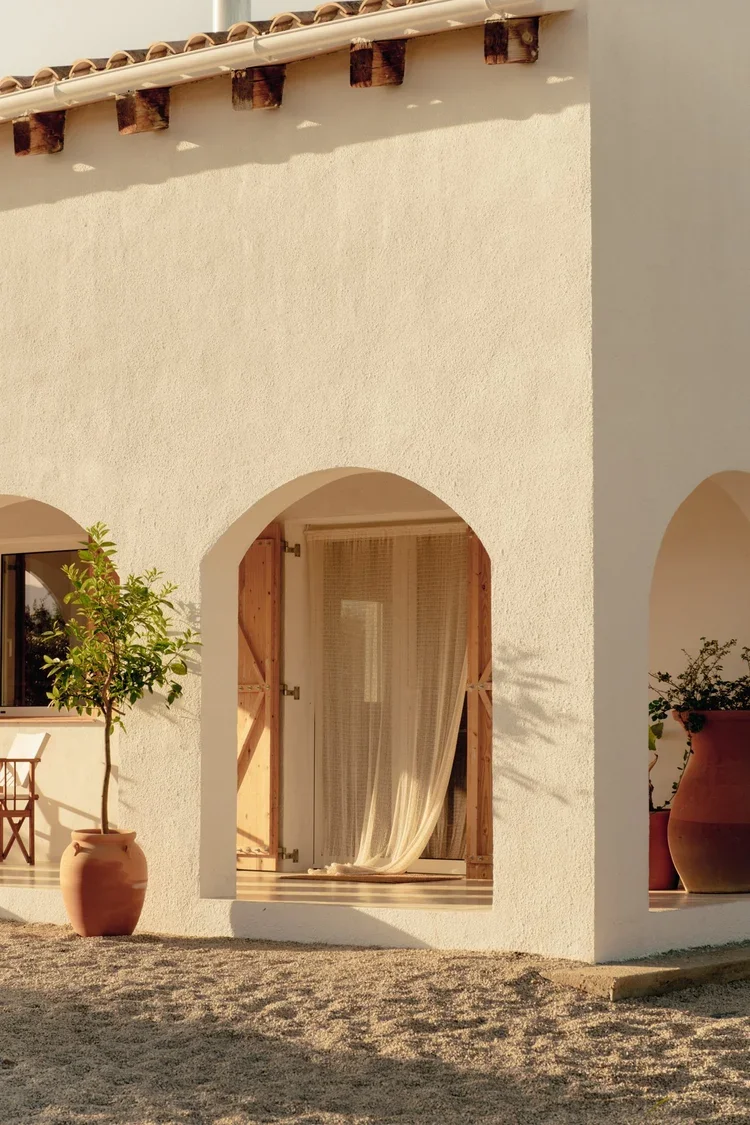
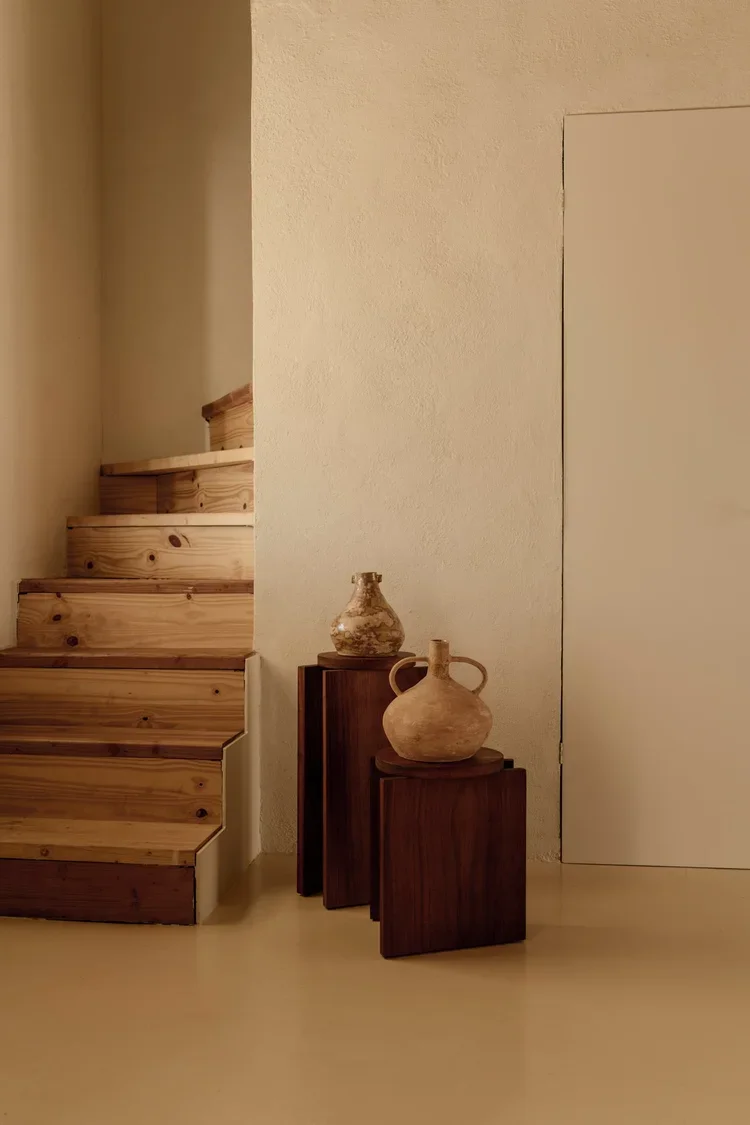
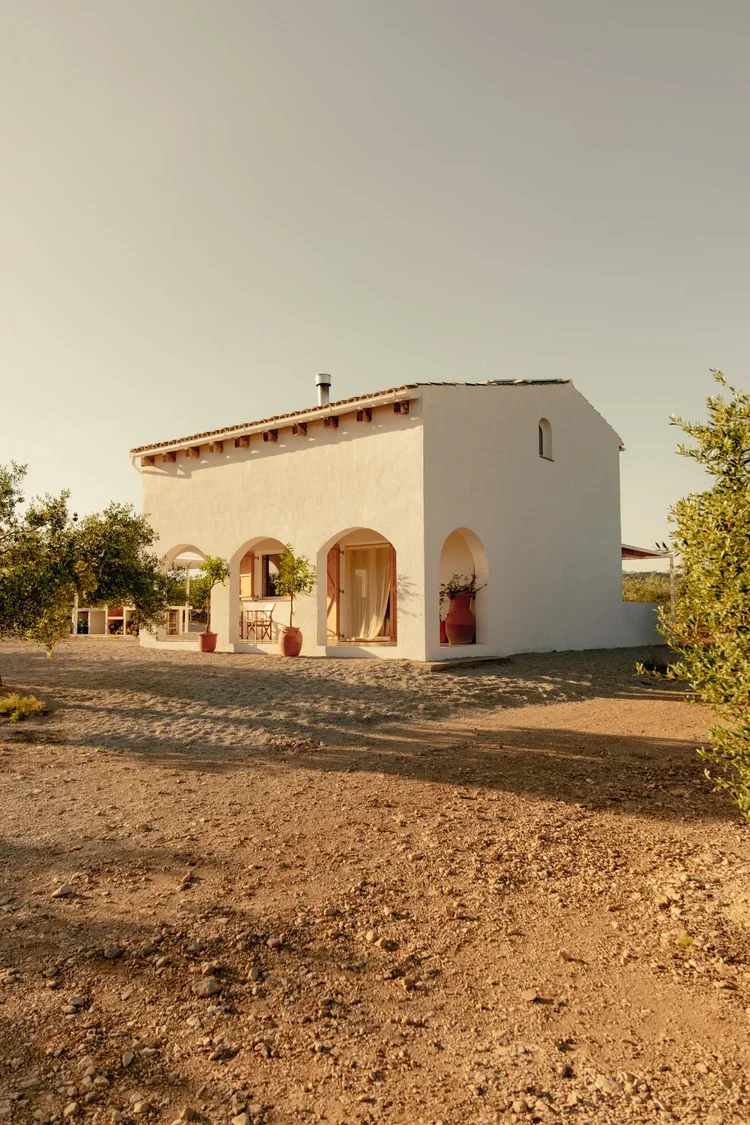
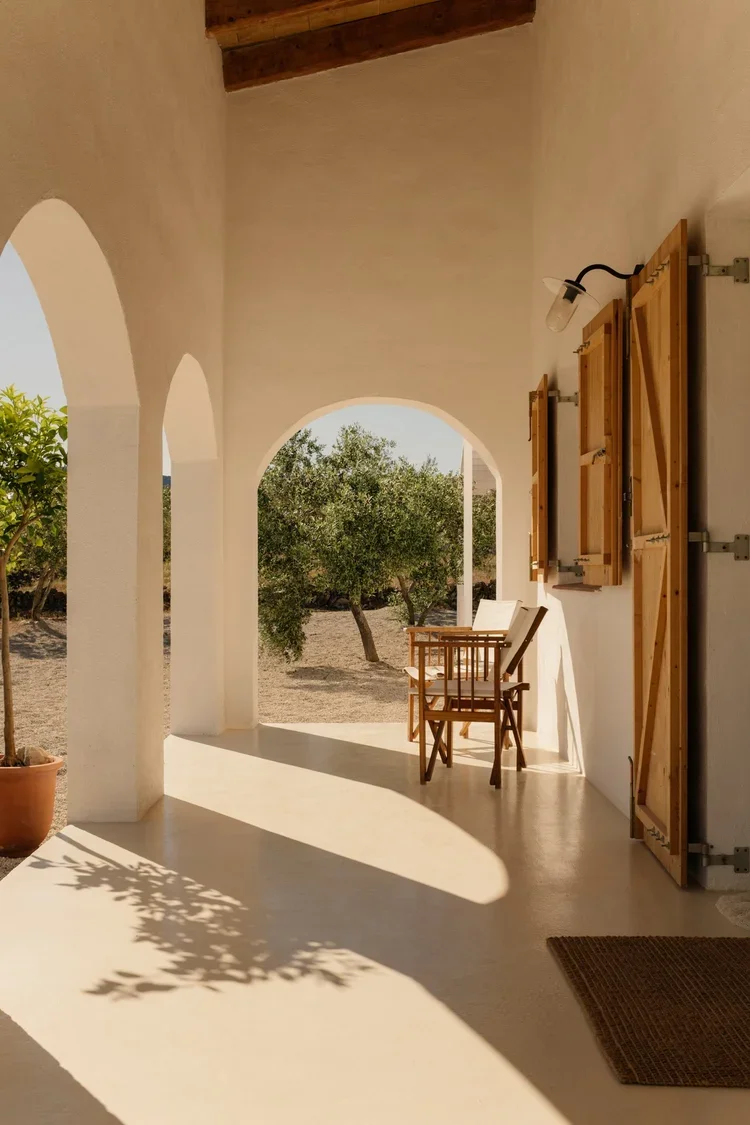
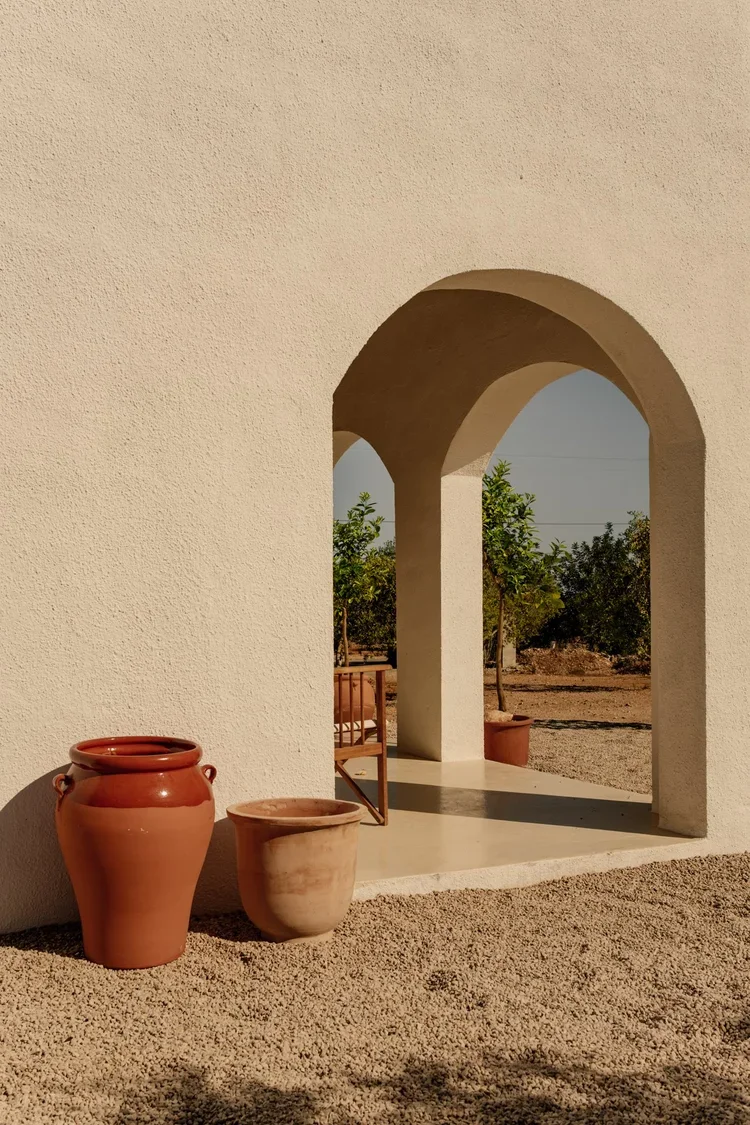
Hay enclaves que, sin anunciarse, se convierten en refugio. En el Baix Ebre, al sur de Cataluña, entre el rumor de olivos centenarios y la presencia discreta del mar, Borja Mas Rodríguez ha encontrado esa mezcla exacta de arraigo y revelación. Un lugar que habla en voz baja pero clara y que habita de forma íntima: lejos del ruido, cerca del tiempo.
“NOS GUSTABA LA IDEA DE TENER UN ‘TROS’ DONDE DESCONECTAR Y, AL MISMO TIEMPO, CONECTAR”
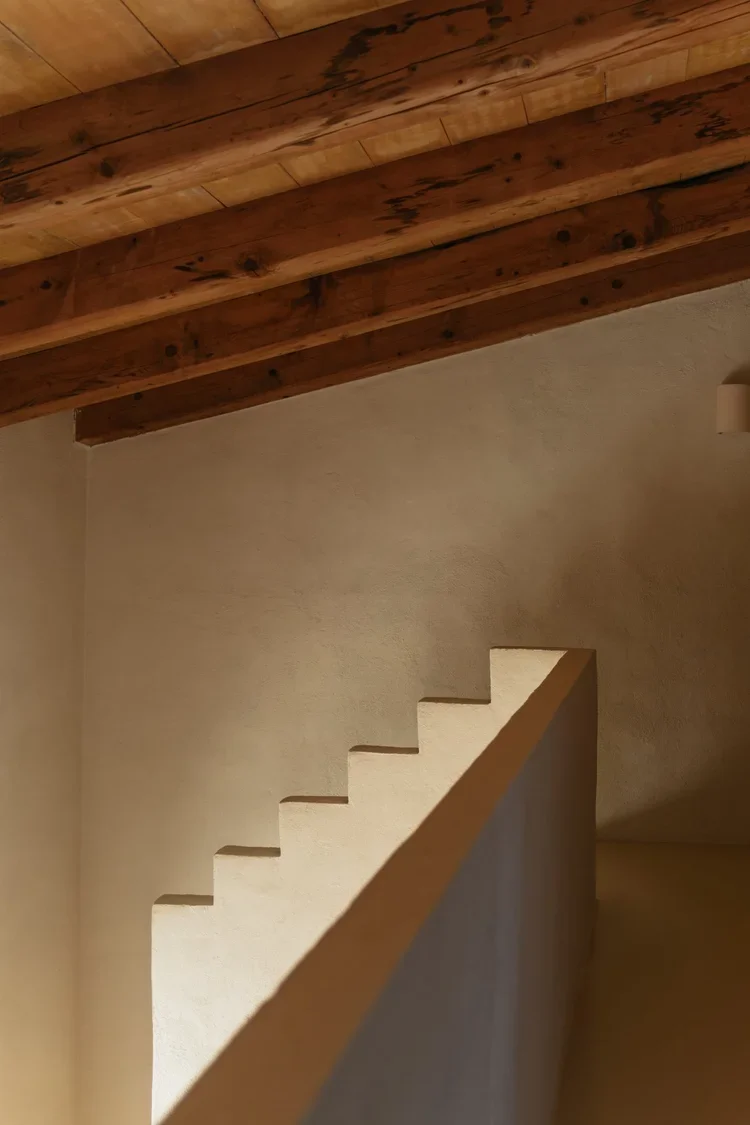
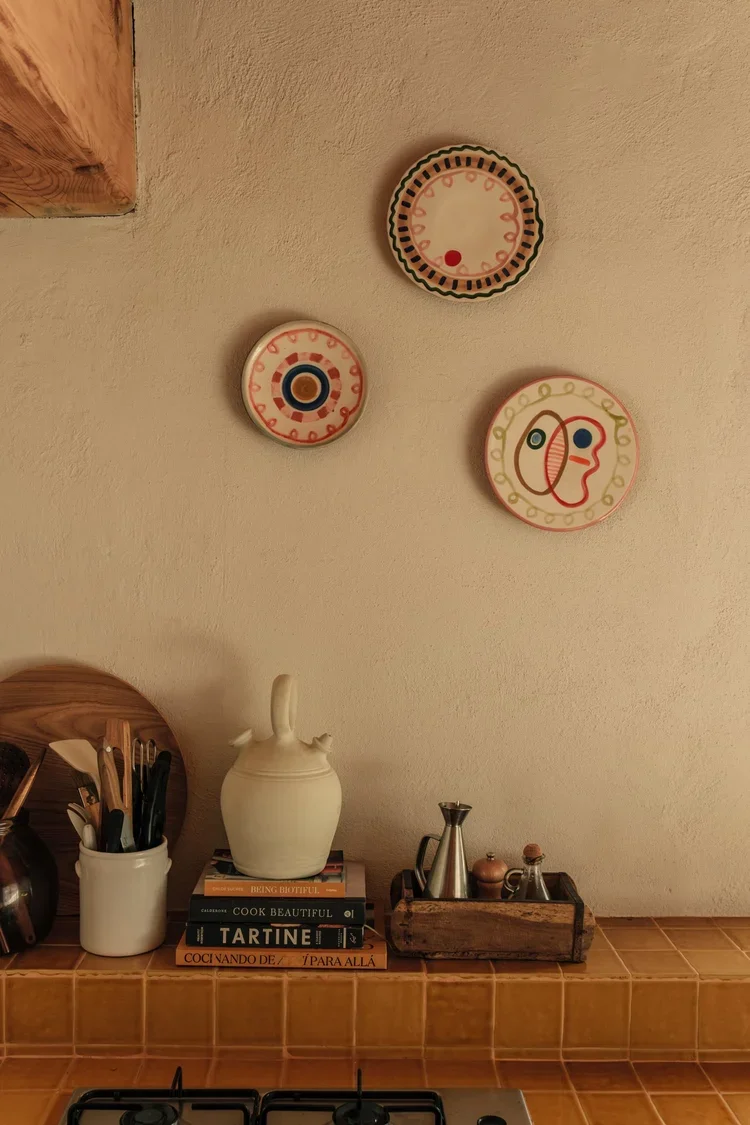
En ocasiones, el arraigo llega de forma sutil, como una herencia emocional. Rosa, pareja del arquitecto Borja Mas Rodríguez, pasó los veranos de su infancia en L’Ametlla de Mar, un pueblo de pescadores donde su familia ha vivido durante décadas. Su vivencia les hizo conectar con el entorno: “Nos gustaba la idea de tener un ‘tros’ —como se llaman este tipo de fincas por aquí— donde desconectar y, al mismo tiempo, conectar.” Sostenible y abierta al paisaje, la casa es un espacio de encuentro y creación. “Es exactamente lo que buscábamos: un rincón para disfrutar los fines de semana y compartir con gente afín.” Conscientes del valor intrínseco del territorio, su compromiso es cuidar de su legado: “La clave está en que quienes venimos, lo hagamos entendiendo el contexto.” Porque habitar también es un acto de respeto.
-
-
Summer 2025
Download PDF -
MATERIA VIVA
BERTA-BLANCA T. IVANOW
BERTA-BLANCA T. IVANOW
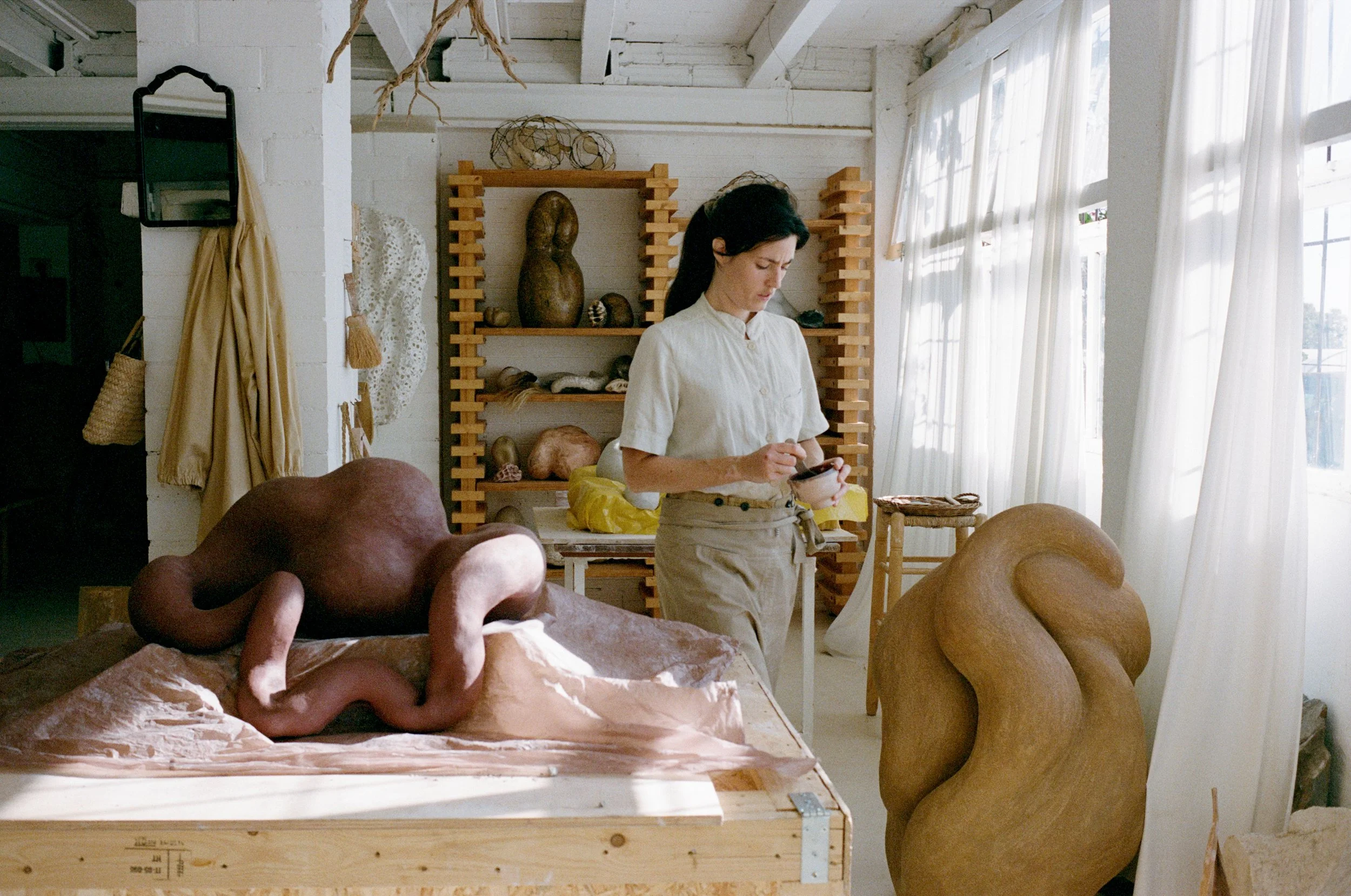
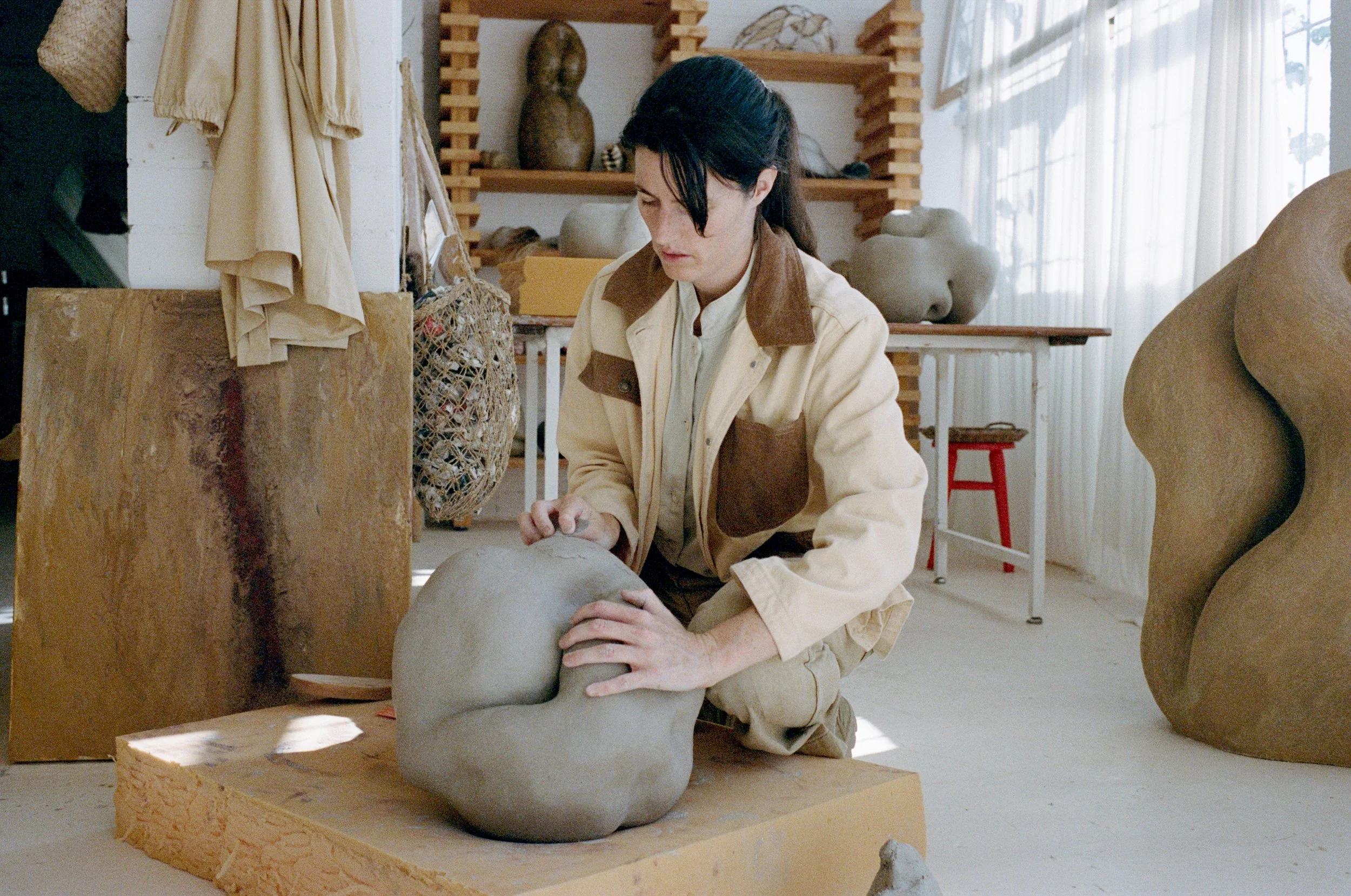
En su atelier en una antigua área industrial de Teià, Barcelona, con vistas al Mediterráneo, Berta-Blanca T. Ivanow desarrolla una práctica escultórica ligada a la materia, el proceso y el ensayo. Cerámica, performance y vida se entrelazan en una obra que se activa en el encuentro con el otro, convirtiendo cada pieza en experiencia sensorial y diálogo creativo.
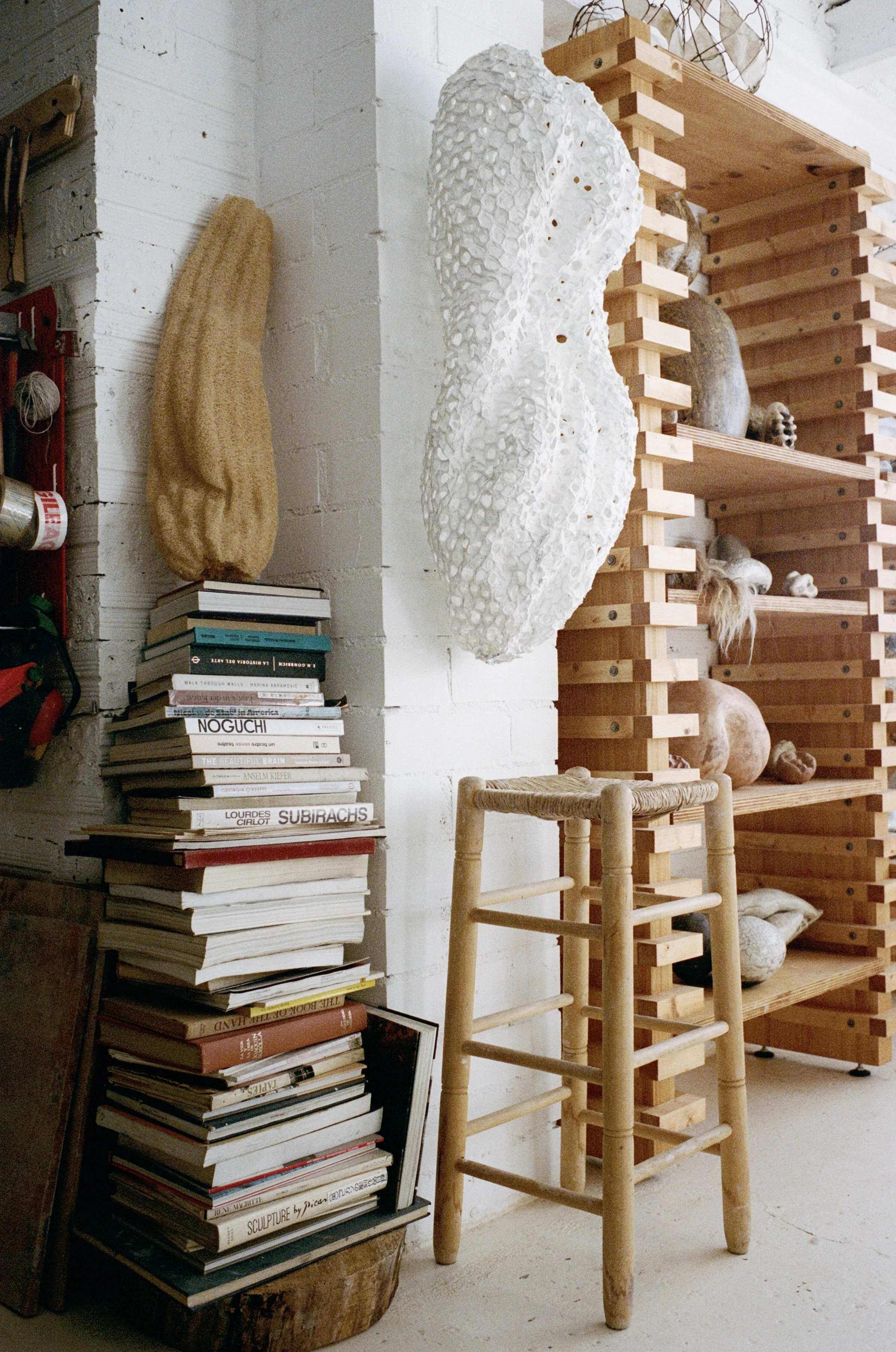
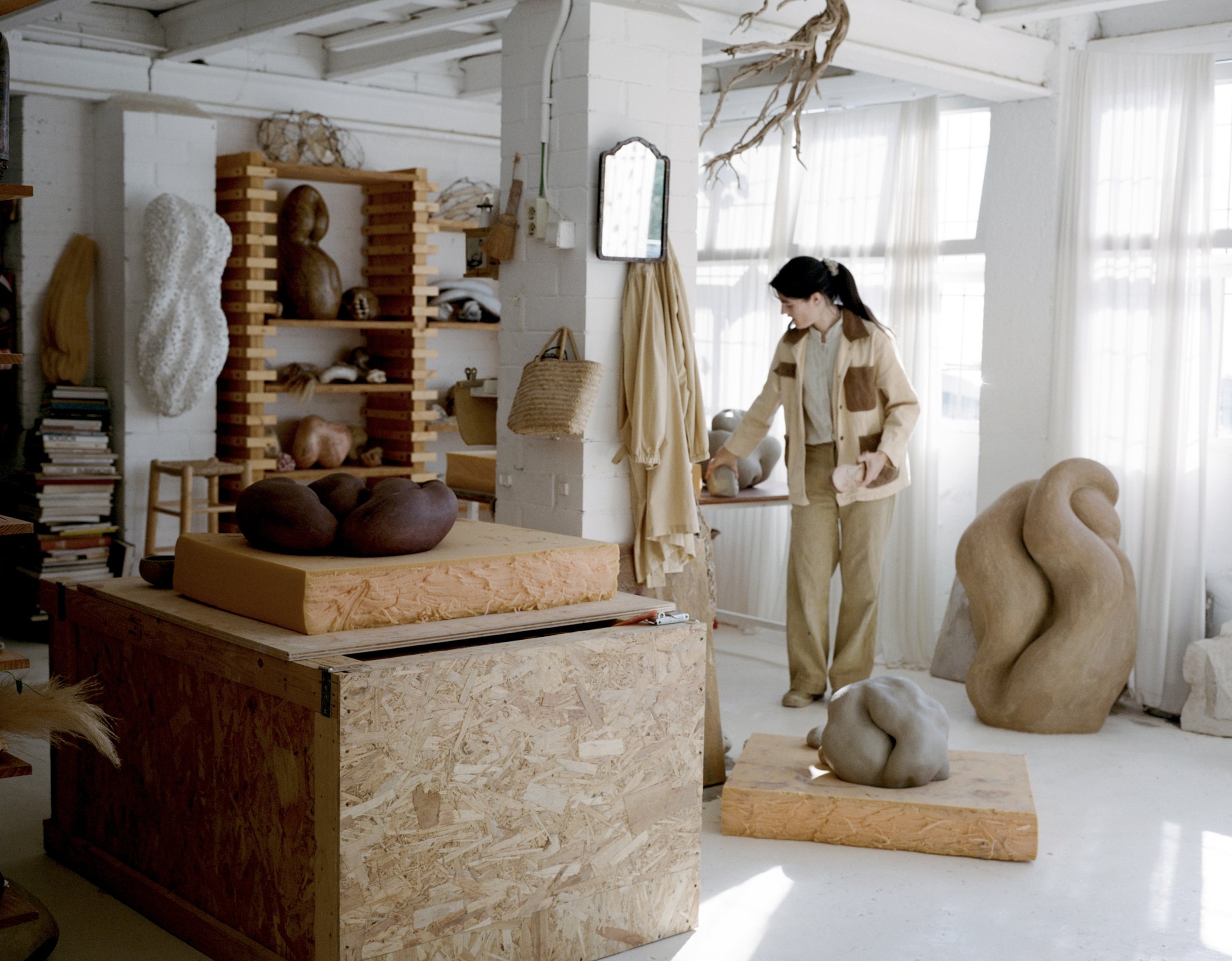
“Estar cerca del mar me da mucha paz”, dice Berta-Blanca T. Ivanow (Barcelona, 1992) mirando a través de las ventanas de su taller. “Más que en mi obra, inf luye en mi ser”. Movida por la búsqueda de un entorno conectado con la naturaleza, la artista encontró este espacio situado en Teià, una pequeña población de la comarca del Maresme a media hora de Barcelona, en 2021. Lo que antes era un taller de metal de una zona industrial hoy está habitado por una suerte de retrospectiva de su carrera junto a un archivo de documentos y piezas en proceso. “Aquí tengo la maqueta de lo que voy a llevar a la Ceramic Brussels”, la feria que se celebra del 21 al 25 de enero de 2026 en Bélgica, a la que acude de la mano de Tramuntana Gallery de Vulpellac, Girona, en un dúo show junto a Claudi Casanovas; fórmula que repetirá en mayo en la Saint Anne Gallery de París con la escultora Rosa Nguyen, mientras espera confirmación de fechas de una muestra colectiva de mujeres artistas en Vasto Gallery de Barcelona.
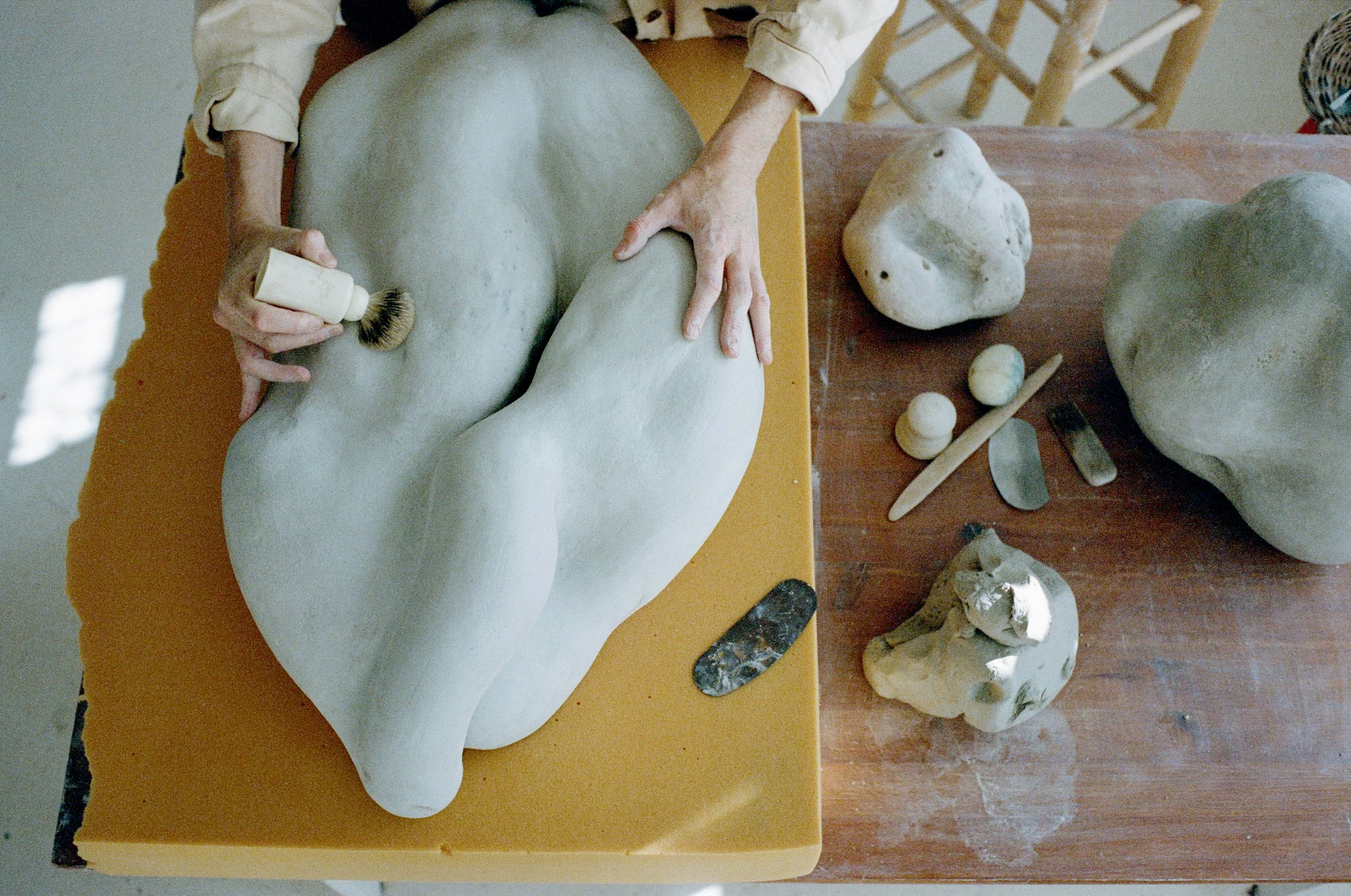
EXPERIMENTACIÓN .:.:.:. Su nombre se vincula a la cerámica, una disciplina que aprendió en La Bisbal d’Empordà, Girona, pero Berta-Blanca es una artista multidisciplinar. Estudió arte y diseño en Central Saint Martins de Londres, donde se especializó en diseño de moda, y continuó en The Art Students League, Nueva York: “Por allí habían pasado Ai Weiwei, Rothko...” Su regreso fue el final de un periplde ocho años dando forma a una mirada propia que hoy centra en dotar de vida a cada obra a través de la performance. Atraída por la búsqueda de respuestas a reflexiones vitales, muchas de sus piezas no se consideran acabadas hasta que se experimentan. Como sucede con los artefactos sonoros de cerámica en los que está trabajando. “Cada uno tiene una sonoridad. La idea es integrarlos en esculturas mayores. Incluso llevarlos al mar. Meterme en él y hacerlos sonar”.
“SIEMPRE DEJO ESPACIO A LA SORPRESA”
“LA LLAMA, LA CENIZA Y EL LUGAR DE CADA PIEZA EN EL HORNO TAMBIÉN INTRODUCEN MISTERIO”
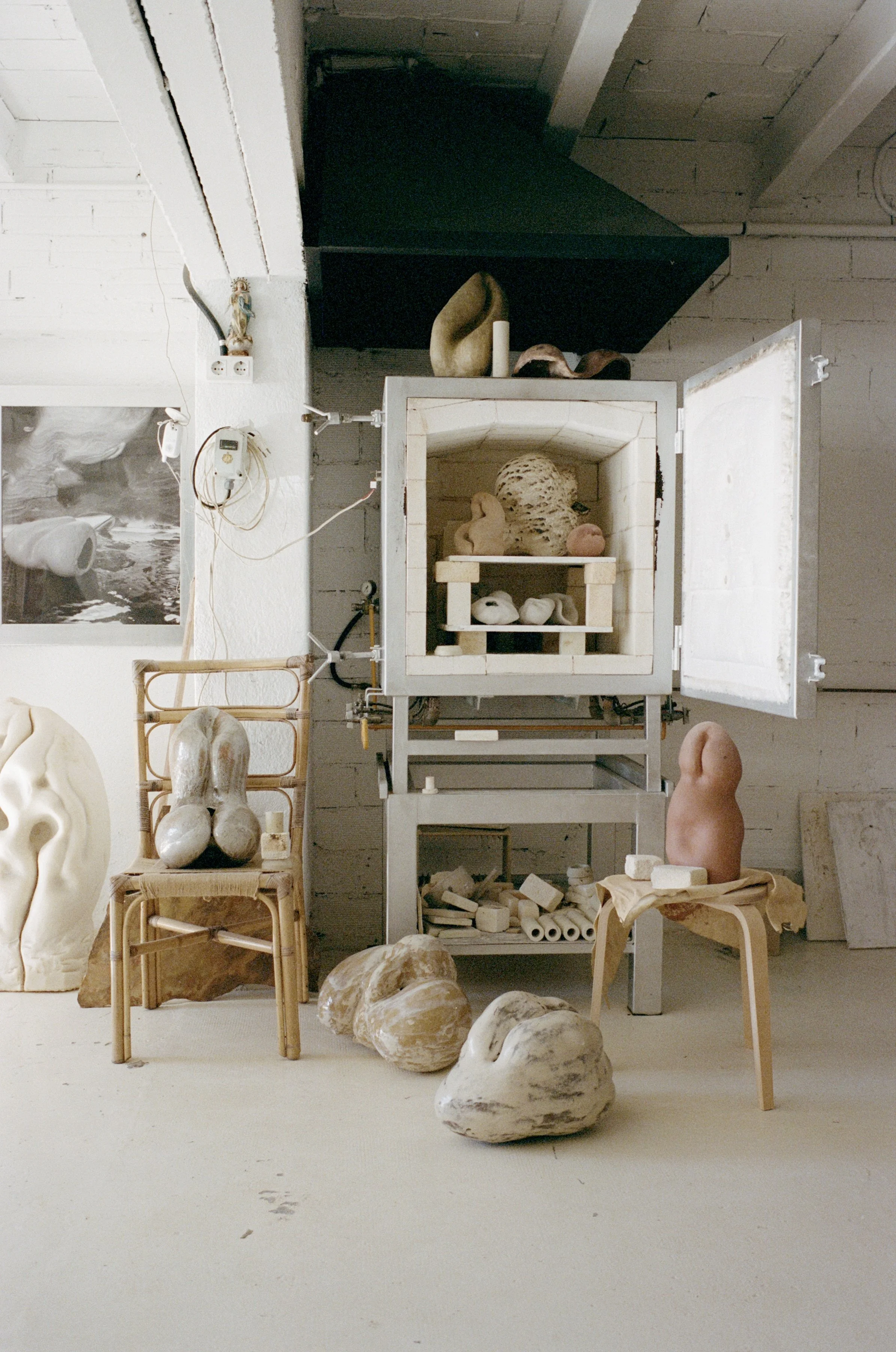
EFECTO SORPRESA.:.:.:. En el taller, Berta-Blanca dispone de dos hornos para el trabajo cotidiano. “Para las piezas de 150 kilos subalquilo uno enorme que es como una habitación”. Sus últimos hallazgos están ligados a la imprevisibilidad del horno de leña. “Domino el proceso, pero siempre dejo espacio a la sorpresa: la llama, la ceniza que sobrevuela y el lugar que ocupa cada pieza en el horno también introducen un misterio que forma parte de lo que más me atrae”. La artista está viviendo un momento de expansión y las costuras de su actual espacio empiezan a hacerle “roces”.
“Estoy buscando una casa-taller en el Maresme. Me gustaría tener un área para la pieza cruda y poder construir mi horno de leña”. En este laboratorio lleno de maquetas, pruebas y elementos que extrae de la naturaleza, Berta-Blanca transforma cada objeto en un ente vivo. Un diálogo entre la artista, la materia y quien se acerca a ella.
-
-
January 2026
-
A workshop for encounters, art and design.
CHIDY WAYNE & ISERN SERRA
CHIDY WAYNE & ISERN SERRA
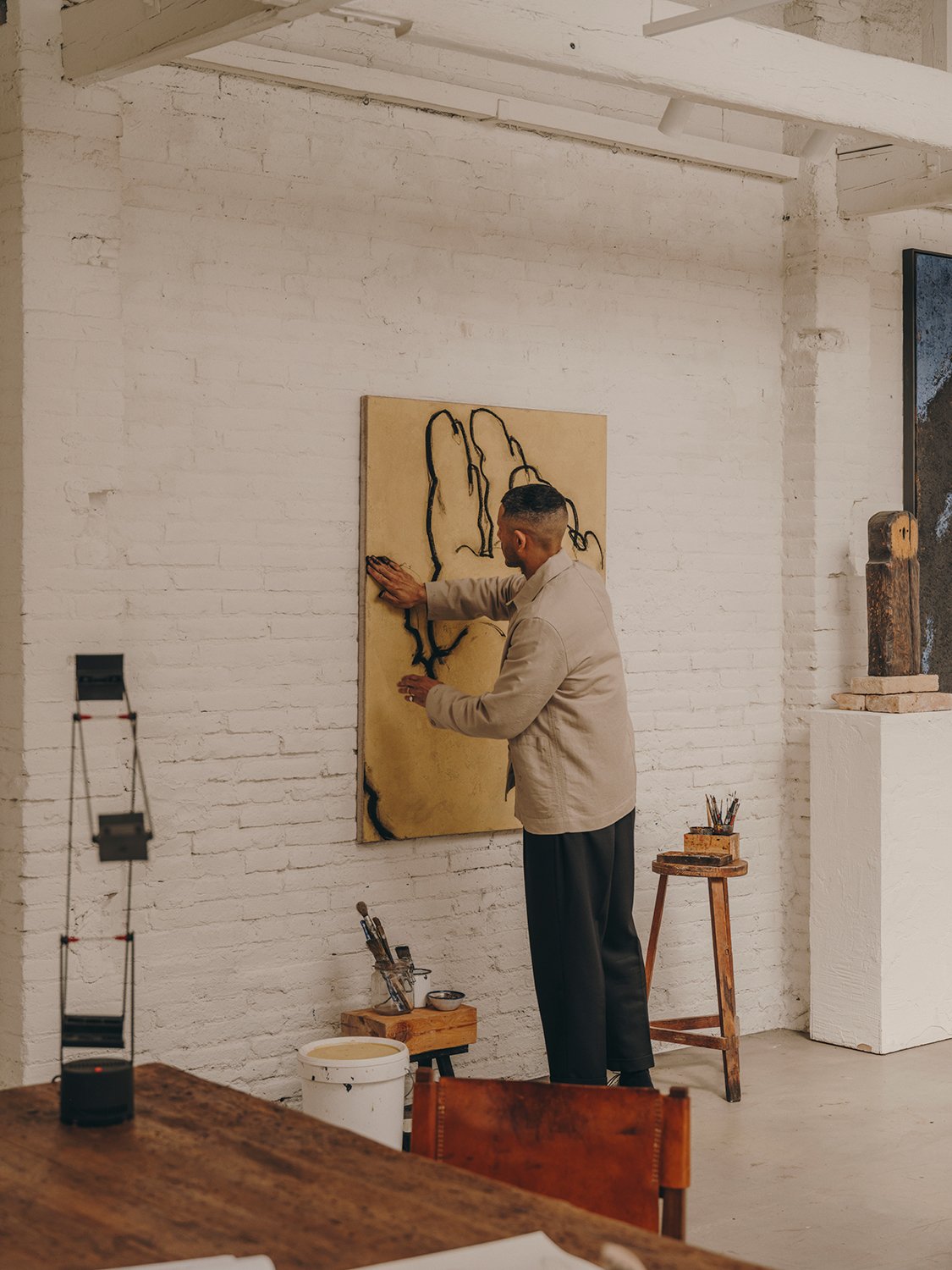
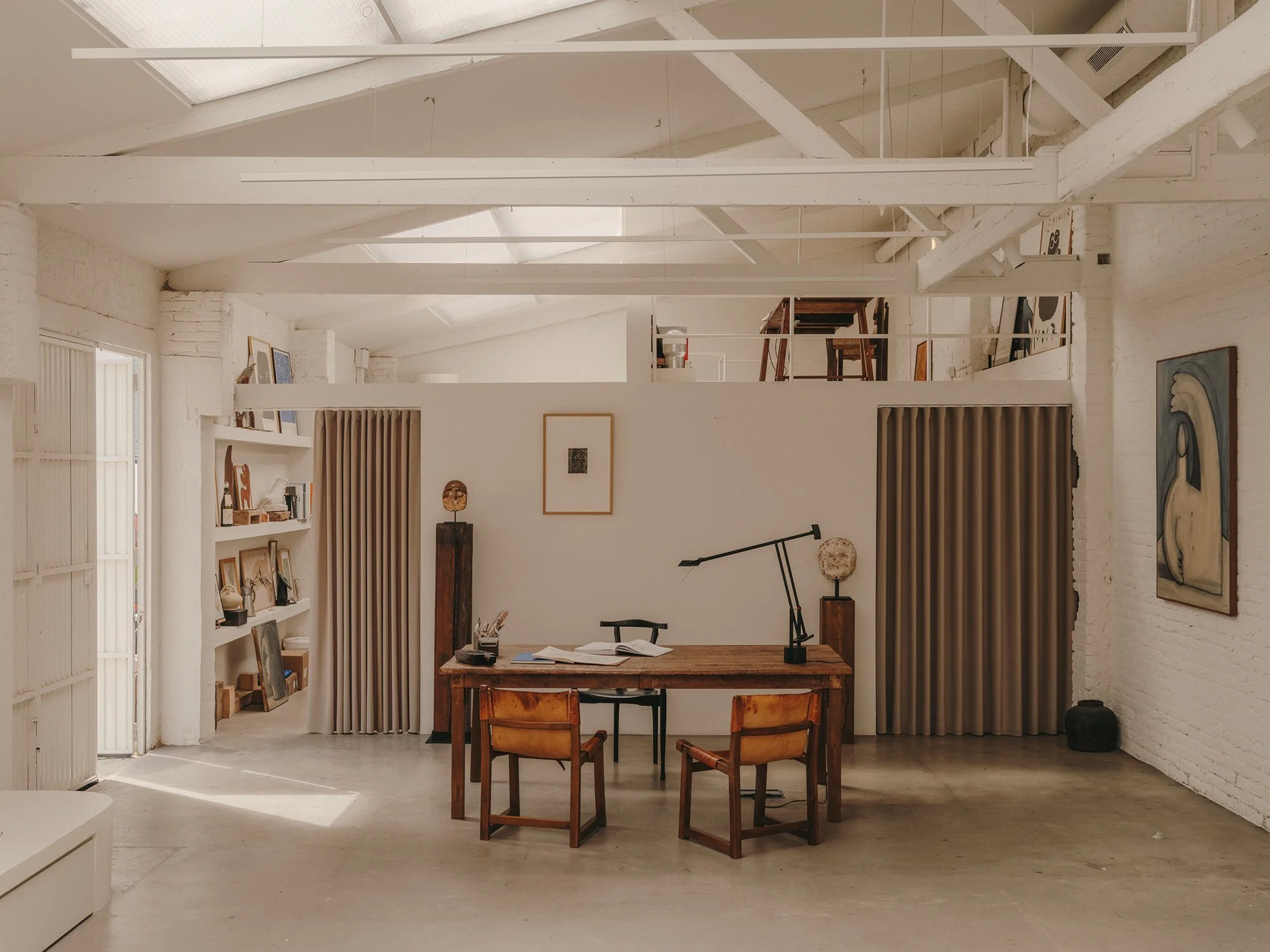
Located in a beautiful cobbled passageway in Barcelona’s Poblenou neighbourhood, Chidy Wayne’s studio workshop is a place of stillness: there’s barely a sound. Sunlight seeps into the central area of this industrial building, casting shadows and climatic shelters in functional areas, such as the office on the mezzanine level, the kitchen under the staircase and the bathroom. Isern Serra, the designer of this space, takes a step forward in his approach to creating workplaces that feel like home – or better. The result is a workshop that is as versatile, unconventional and full of charm as the art that comes to life within its walls.
Whether by fate or chance, just a few minutes before the photo shoot where he met Isern, Chidy came across the industrial building in Poblenou that would become his studio workshop. “We were waiting for Isern when I suddenly got a notification from Idealista [property website].” The rest, as they say, is history; a story infused with design, art and architecture whose narrative speaks of friendship, admiration and respect. This is how Chidy tells it: “The first thing Isern told me was that it was a joint project. I had a clear idea that I wanted a storage area, because I knew that I needed order to allow me to create and also to receive people. See these hidden drawers?” he asks as he points to the wall to the left: “They let me clear and put everything away, and create a clean space in just a few minutes. And when required, I put on my overalls and turn it into a war zone.” Isern explains: “It’s a workshop for an artist I admire and with whom there’s been a very strong connection. That was the challenge: to what extent should the design be an outstanding feature or an accompanying feature? I think we’ve found the right balance by letting the art and the artist make an impact.”
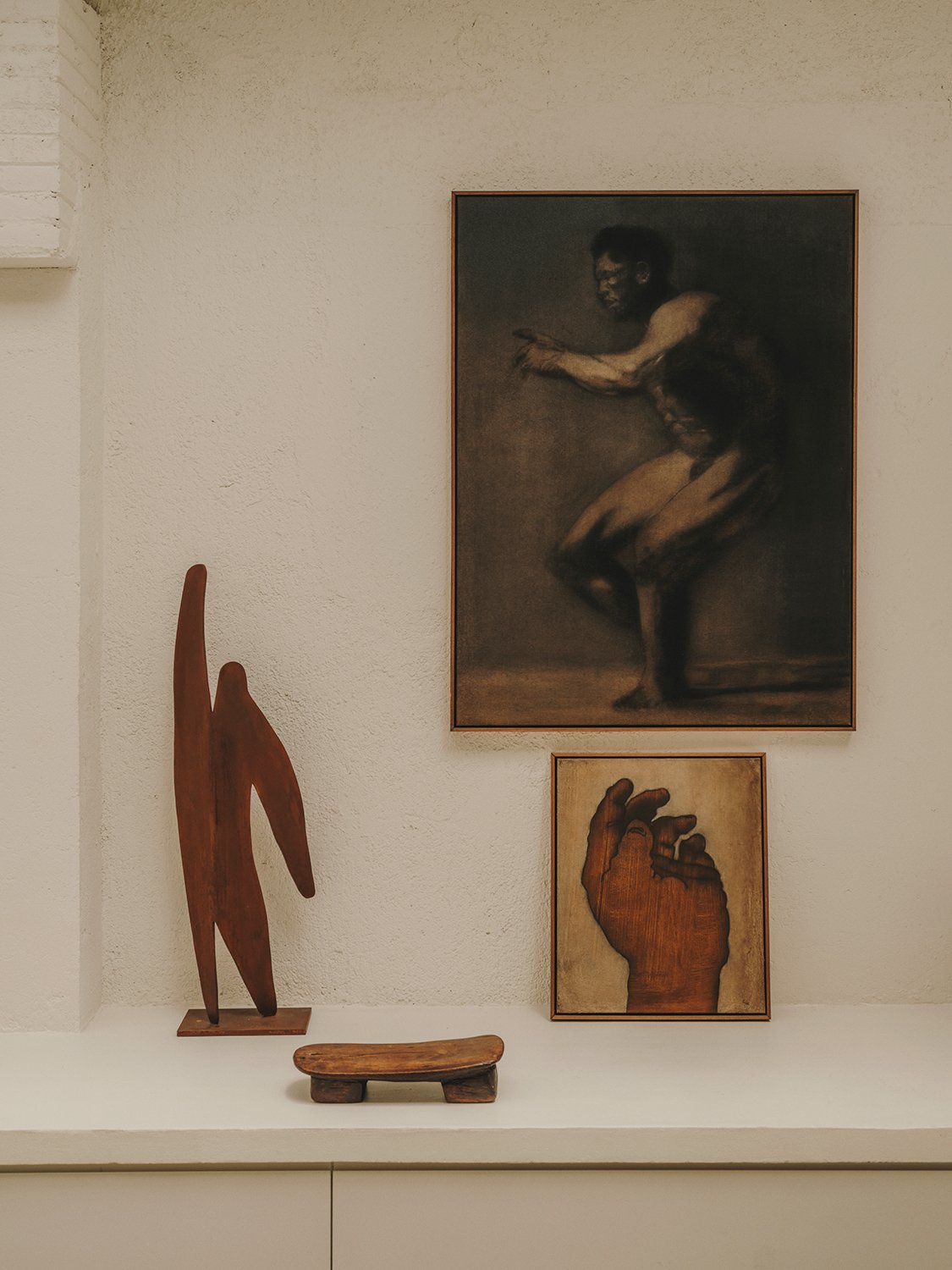
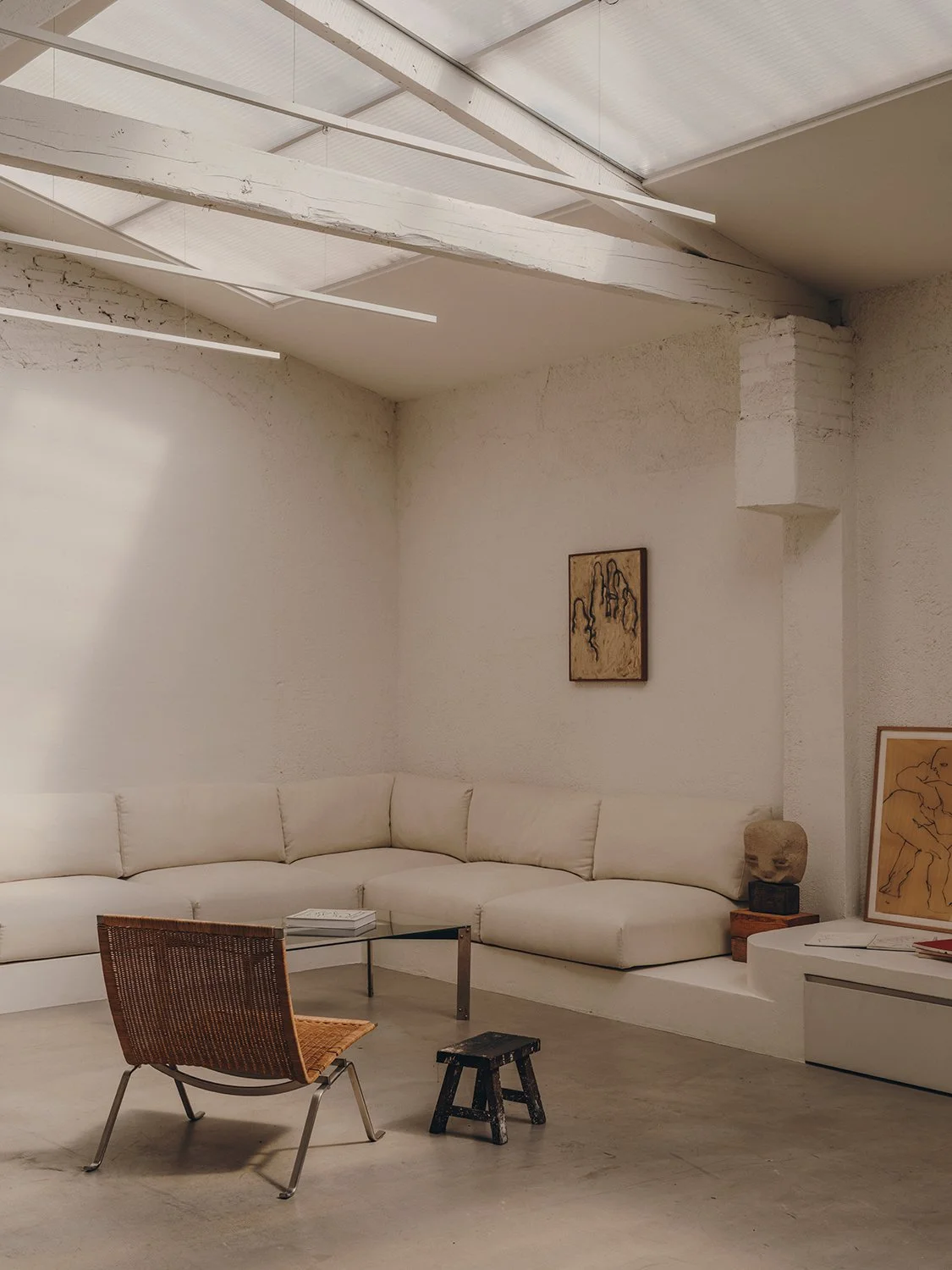
The imposing worktable where we are sitting is a clear reflection of this balance between past and future, between design and craft. “It was in my last studio, but it used to be a workbench that I’ve turned into a desk. I liked the symbolism of bringing something with me from there,” says Chidy. “I didn’t want it all to be new, because that would clash with the spirit of an artist’s studio, a space that gets messy. And it’s an important piece for me.”
“I really liked that this was part of the brief, that it was to be a place of creation for him and his work, but it was also to be a place where lots of things could happen”
After several years of being involved in exhibitions and commissions away from Barcelona, this new workshop has given Chidy the opportunity to intensify his work and connect in another way. “One of my goals was to be able to share my space in a different way. It’s something I am very proud of. Hosting dinners around a central table for between sixteen and twenty people is a very different way of sharing art. If I compare it to an exhibition, where I spend a minute or two with each person, it’s evident that I can speak at length here. I allow everyone to ask me all the questions they want and then let them investigate and gossip amongst themselves. That’s really nice.” Isern was enthusiastic about the idea: “I really liked that this was part of the brief, that it was to be a place of creation for him and his work, but it was also to be a place where lots of things could happen.”
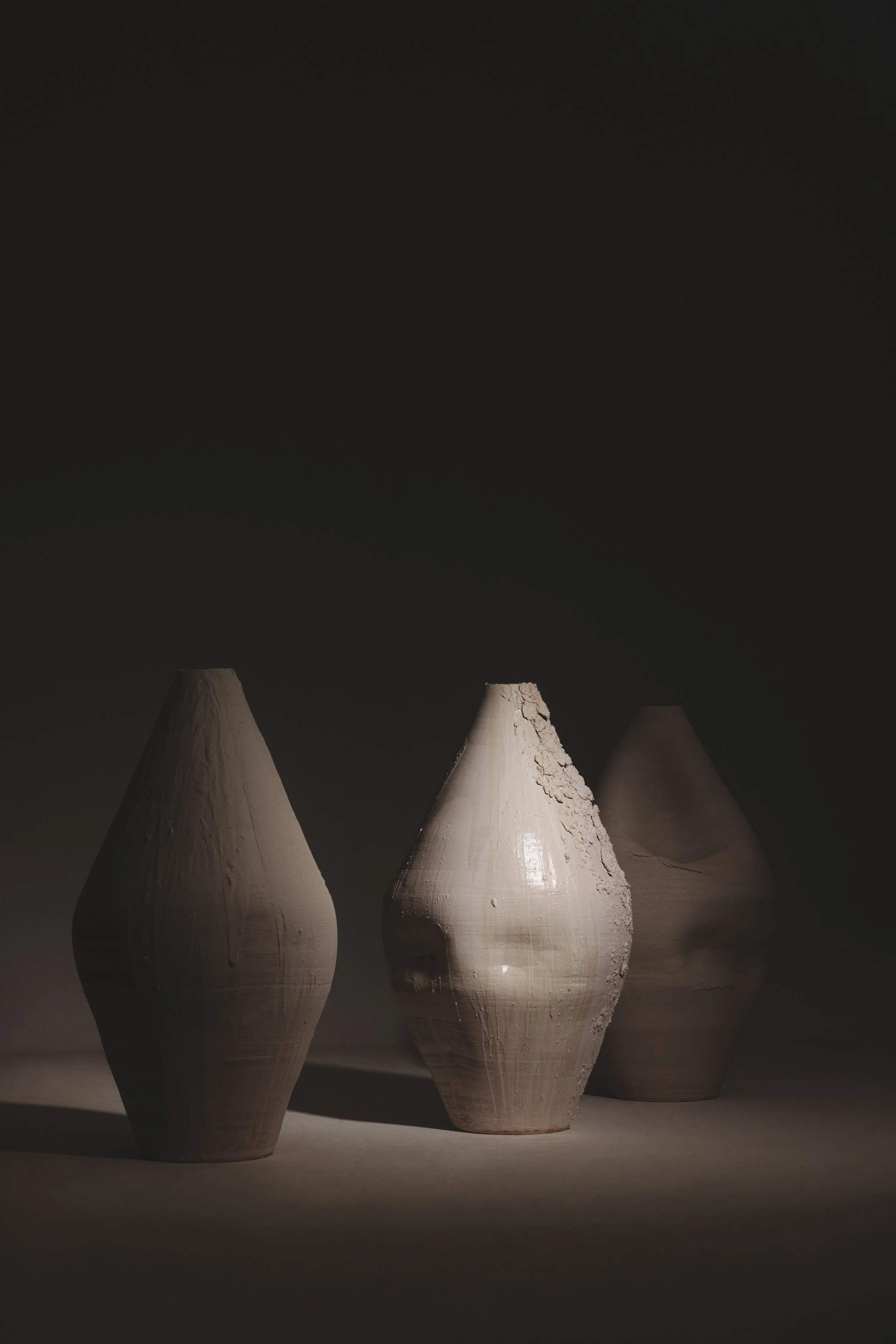
This space has transformed not only Chidy’s relationship with the public but also with his own artistic practice. “It has enabled me to take on larger formats, and it’s allowed me to start working with steel and to use the radial saw because I don’t bother anyone here. It’s like a blank canvas – there’s no better word for it – but much bigger. If something occurs to me, I can make it. And I don’t just have this space: there’s also the courtyard,” he explains.
For the artist, this workshop is like having a new partner to work with, one that makes him feel more focused. Light is the music they both dance to — and only it marks the passing of time. “I used to have a view over the street. I don’t know but do I have plenty of light. This is like a space without time, or where it stands still, where you are aware of time but you don’t hear any sirens. You’re at peace.”
Peter Zumthor once said that the atmosphere of a space is everything. In the case of this studio workshop, this energy was created by the complicity between the designer and the person who inhabits it.
-
-
Issue Nº24
October 2025
OPENHOUSE ISSUE NO. 24 EDITOR’S LETTER
THE MATTER OF THE ETERNAL
THE MATTER OF THE ETERNAL
We are all matter. And matter, by its very nature, does not disappear; it transforms and reshapes itself, taking on new forms that are sometimes barely perceptible. This is something we sense as we walk along a cobbled street in Rome. The stones beneath our feet harbour more than just the present; they carry centuries of human history, dust and desire, wars and art. Each stone has a hidden story, yet we tread on them casually, almost without thinking. Perhaps it is because deep down, we know that they were there before us, and they will remain long after we are gone.
In English, "matter" can refer to both physical substance as well as to what is truly significant. At the heart of this dual meaning lies something essential: matter not only shapes us as individuals, but also as a community. For centuries we have tried to transcend matter by searching for the invisible through religion, through astrology and thought. Yet it is within matter itself that our truest expression resides: in art, which brings us face to face with emotions such as love, fear, longing and pain. All that we cannot hold in our hands captures us from within.
The echo of the past feels louder today: Think of the Greece as seen by Carla Cascales; Luca Guadagnino's intimate take on Rome; the whispering marbles of Villa Medici; and the cornices of Villa Caffetto. These are the signs of a time when it is no longer the “new” that seduces us, but the certainty of what is well made. A quiet, steady return to the essential, to techniques that never needed to be labelled as sustainable because they stemmed from the hands of craftspeople, and have endured.
In this issue, we pay tribute to that eternal matter. Chidy Wayne welcomes us to his new workspace in Barcelona, where he has devoted himself to developing an artistic language, one that has brought him worldwide recognition, including at Frieze London (taking place as I write these words). Carla Cascales Alimbau takes us back to the beginning, to Hydra, with pieces that are rooted in dialogue. Yoyo Balagué shows us how she creates a corporeal, almost performative art at her atelier on the Costa Brava. And Oliver Gustav opens the doors to his intimate universe, sharing the matter that makes him come alive and with which he shapes his very own world.
Ultimately, that is what we are: matter that feels, remembers, changes and creates. This issue is an invitation to explore that shared matter – our common ground, and our way forward.
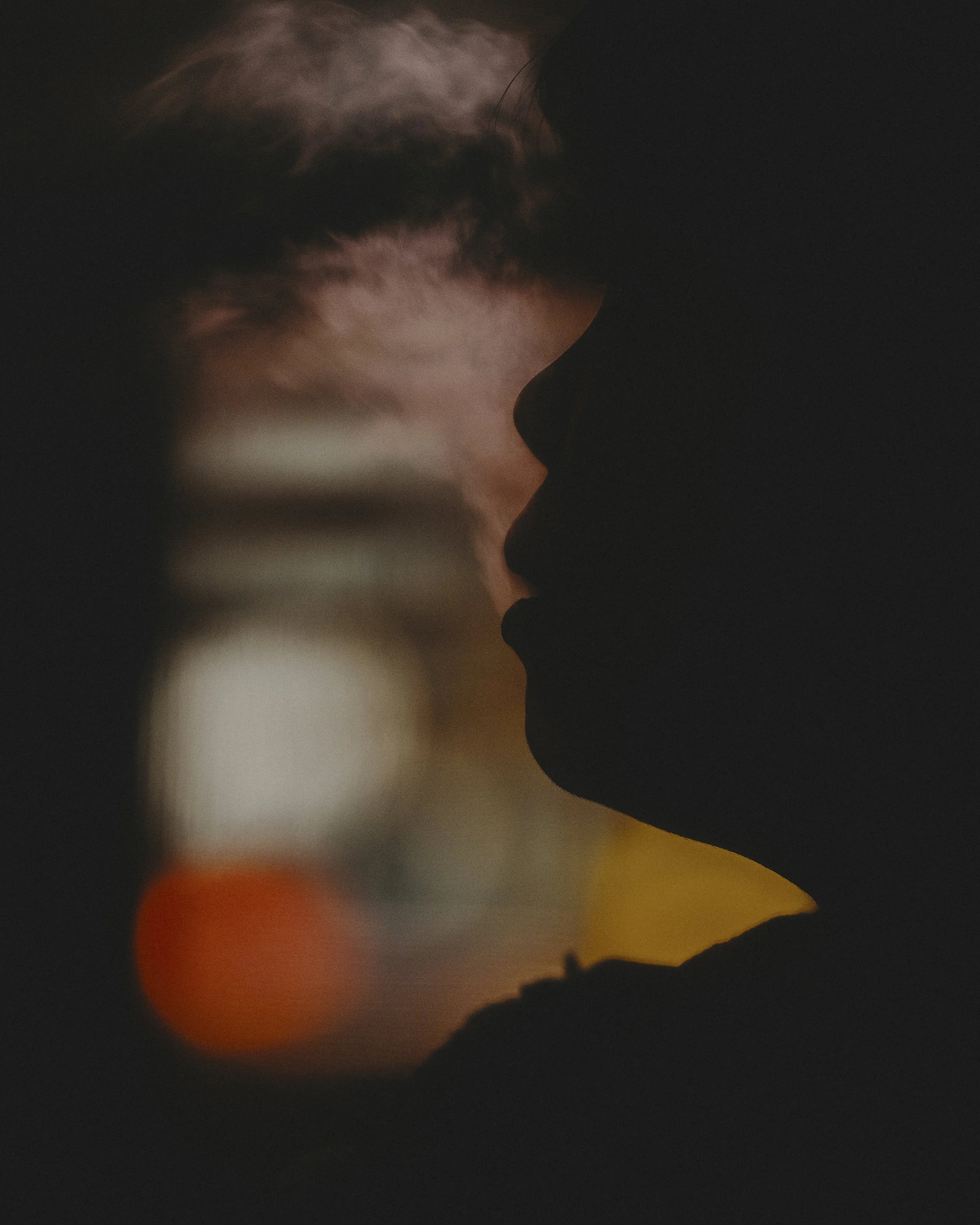
FADING ECHOES OF SMOKE OVER TOKIO SKY
YOSIGO
YOSIGO
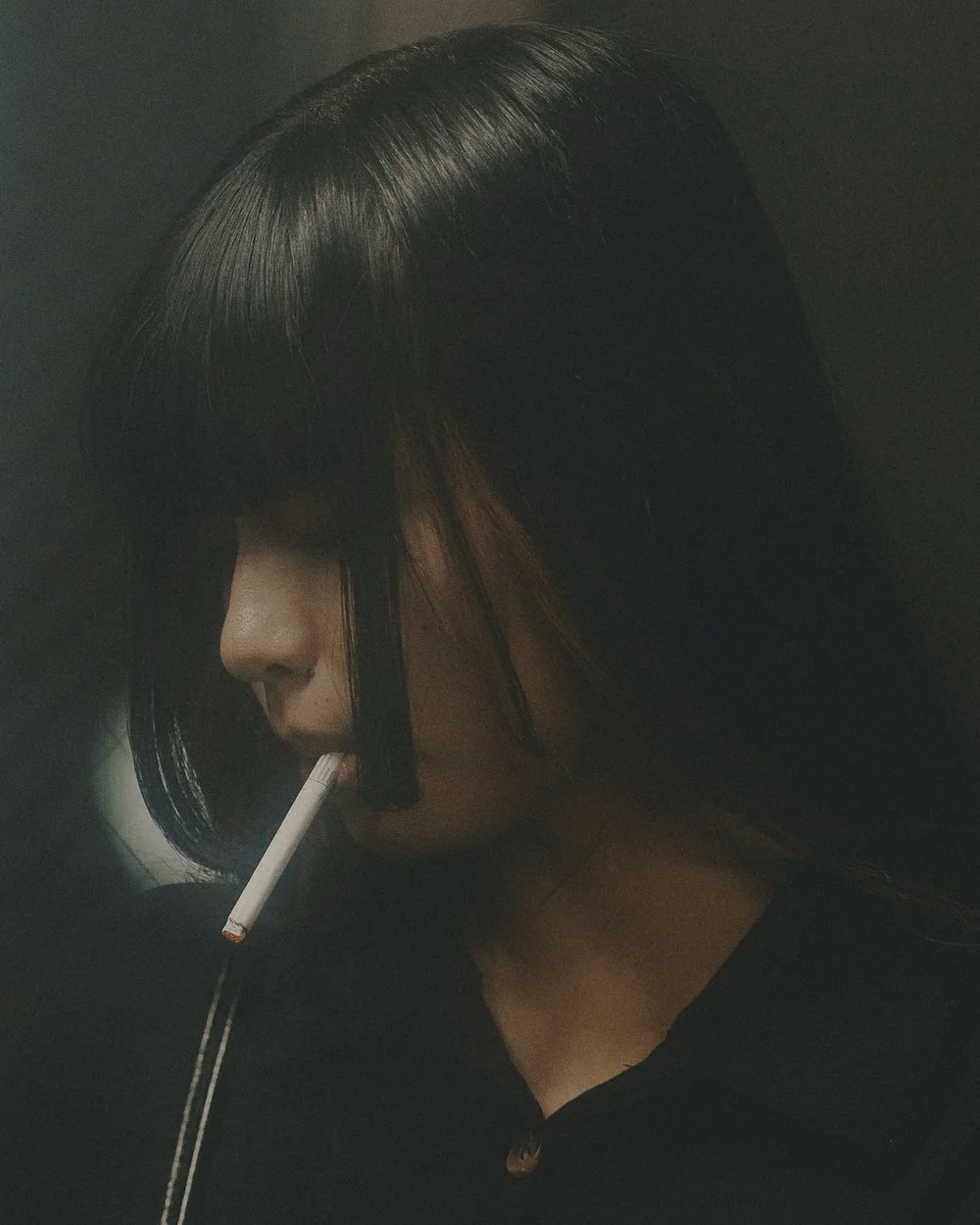
Those who have been following Yosigo on social media for a while know that humor is the prism through which he interprets the world to translate it in his own way. That is why, for Jose Javier Serrano (Donostia, 1981), everything happening in his life right now is a constant source of amazement and great fun. That “everything happening” is none other than becoming a widely recognized artist in Asia—signing autographs and landing a multi-year contract with a Korean company that seems to believe in his work even more than he does.
As we speak, in late 2024, his photographs are on display in Shibuya, and he already has a date for an exhibition in the spring. From Tokyo, where he has settled for a while, he tells me this success has taken him completely by surprise. Yet, by the end of our conversation, I cannot help but think that if destiny exists, it had this planned for him all along. Every step he has taken—whether one that fills him with pride or one he would rather not remember—seems to have led him, in an inexplicable way, to this very moment.
The sparkle in his eyes as he admits he has fallen in love with Japan is noticeable even through the screen. From my desk in Barcelona, it is hard not to catch his enthusiasm. “I visited very recently for the first time, and I am in love, so this time I am staying as long as I can,” he sums up.
“I spend my days with so many people—Koreans, Chinese, or Japanese—in meetings where I do not really understand what is going on. It is kind of funny, but I do not have anyone who speaks my language to sit with and say, ‘Guys, this is wild.”
Yosigo’s camera never stops shooting, as hungry for images as his own mind, which is already shaping what will become his next project: a reflection on tobacco in Japanese society. “In Tokyo, you cannot smoke on the street. There is this kind of map of the city that shows the zones where it is allowed. Every night, I smoke a million cigarettes in those spots because I want this to be a nocturnal series, so I take the photos and then head to bed.” He has shared some of those photos on Instagram, but the platform has taken them down. “I found that hilarious. Now the project motivates me even more. The fact that there is this sort of censorship around it seems curious to me.”
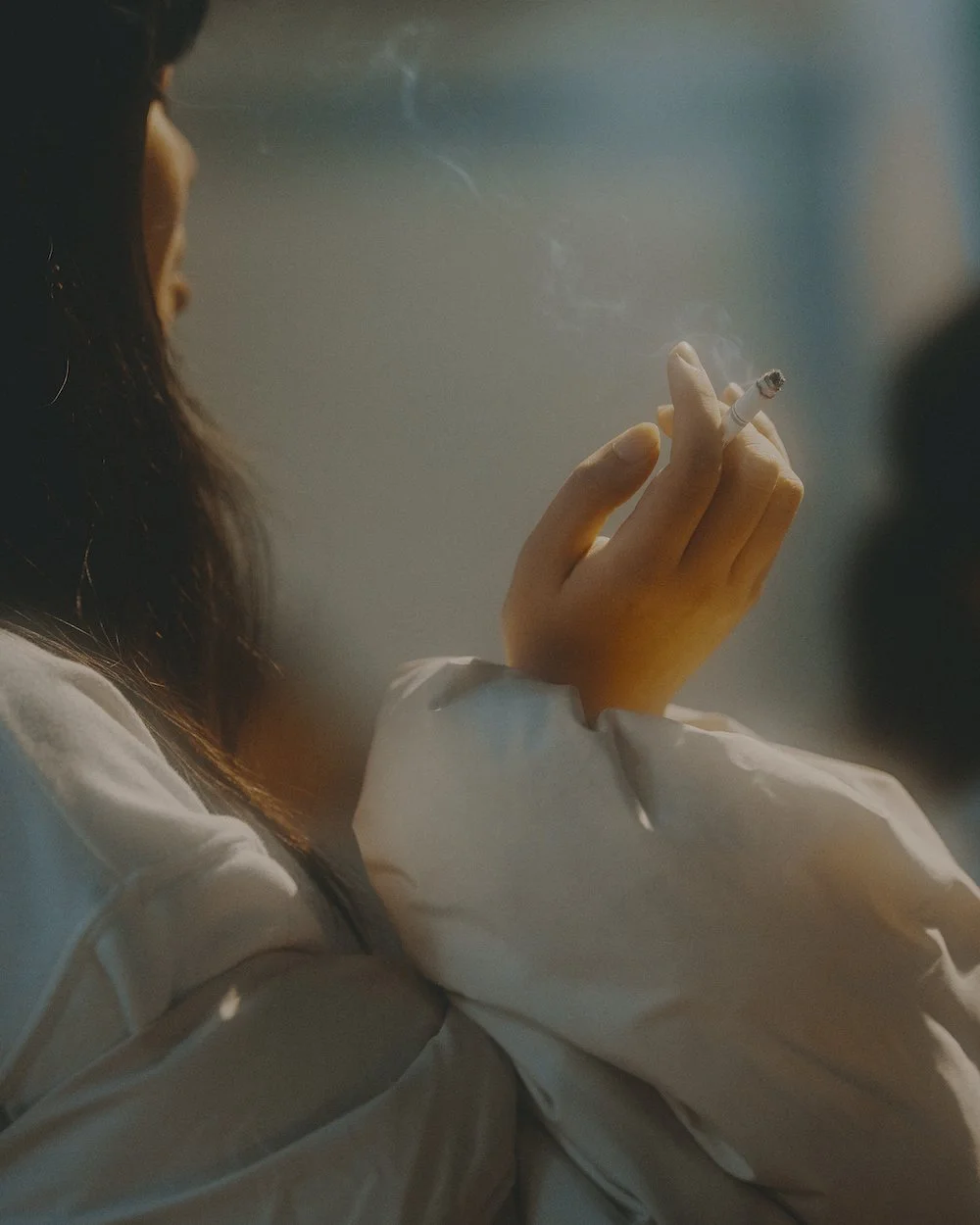
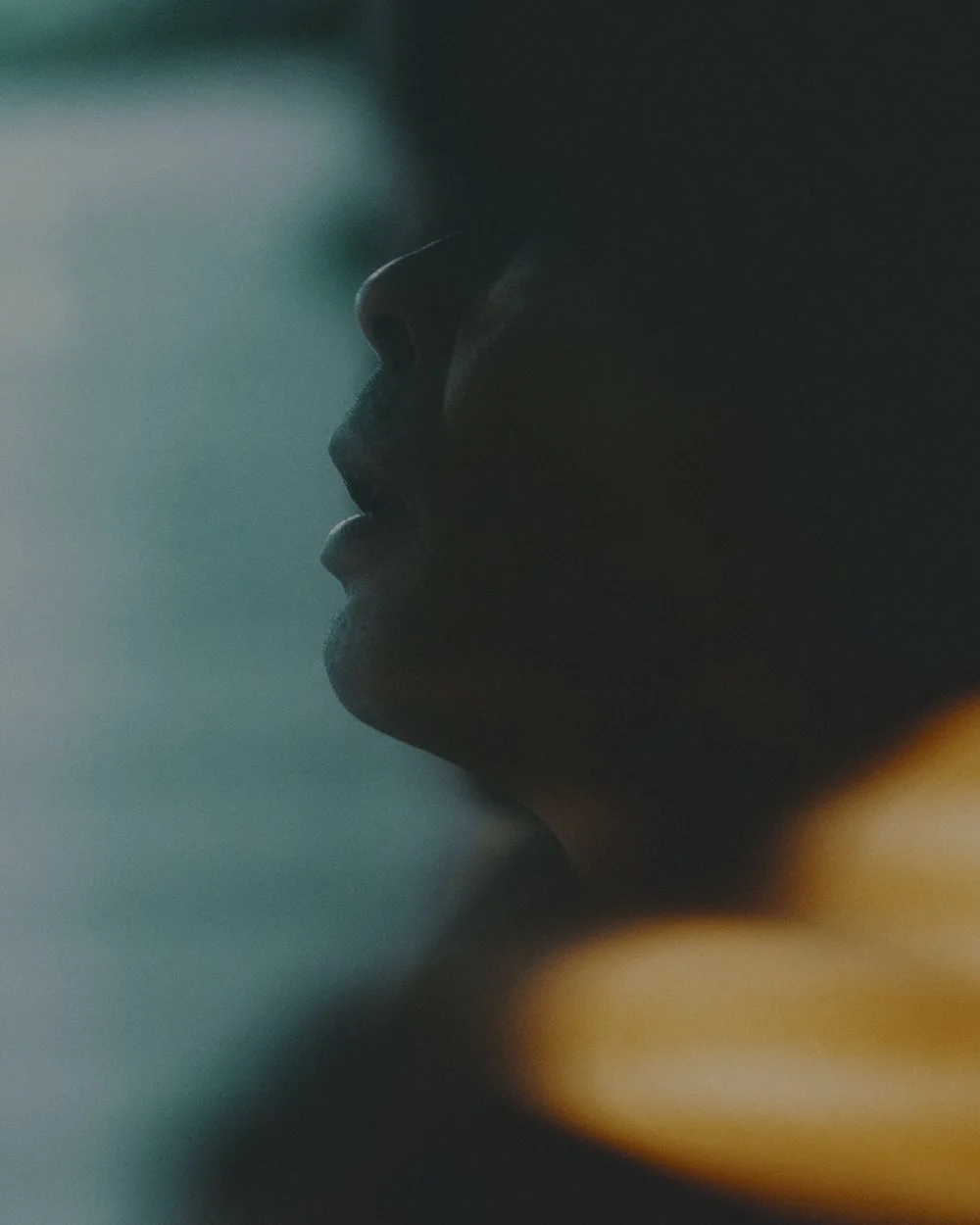
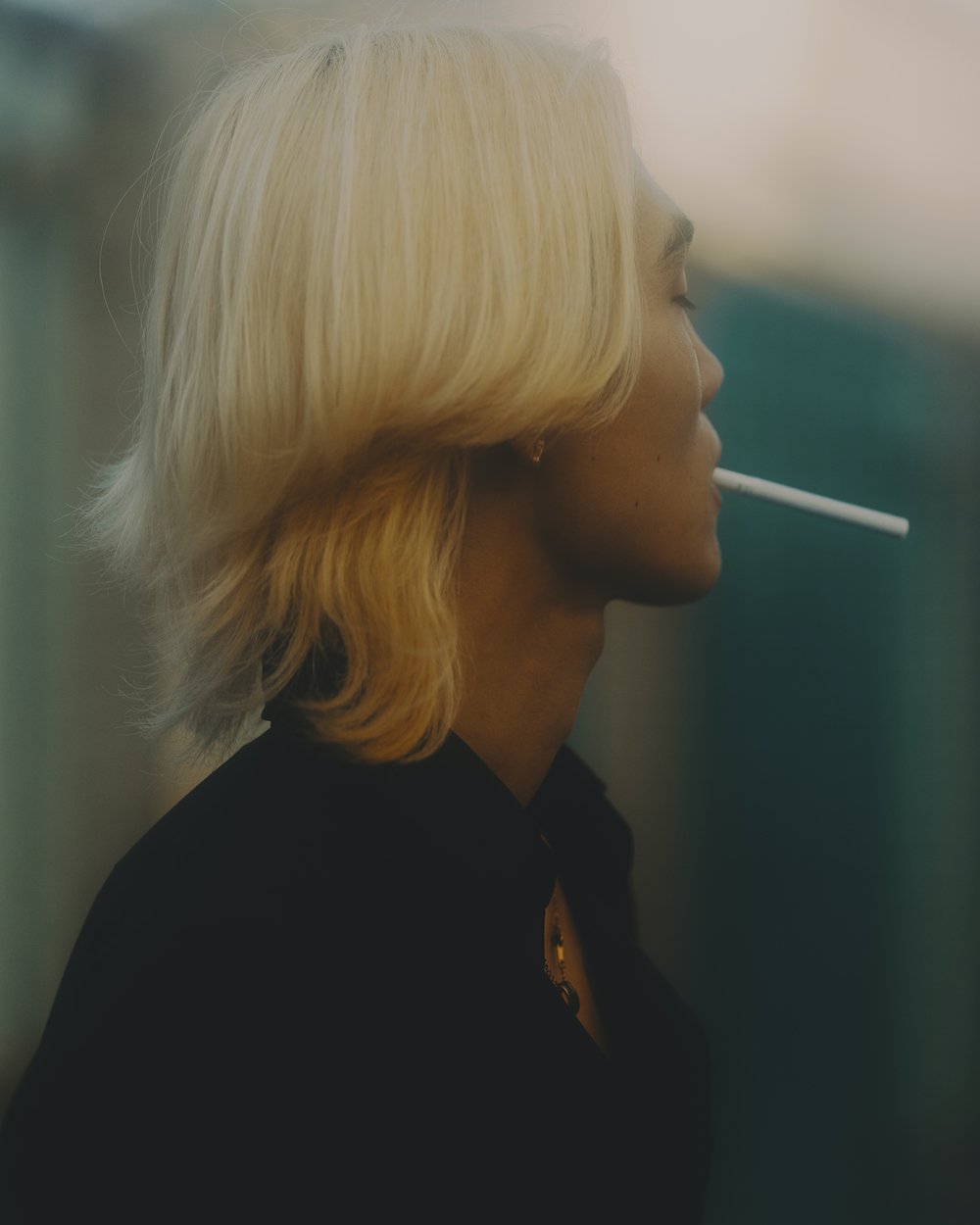
A graphic designer by trade, it was through creating catalogs that he realized he liked photography more than design. Nonetheless, books remain an obsession, which drives him to spread his work across different series that eventually materialize into various published volumes. “For me, books are photographic series of ideas. They are a way to give a project tangible form.” A key moment in his shift from design to photography came in 2003, when he met Salva López, and they started sharing an apartment in Barcelona. “Salva had a lot of jobs and began passing some of them my way. He guided me through the process of getting into commercial photography. He was also hugely important to me on a personal level.”
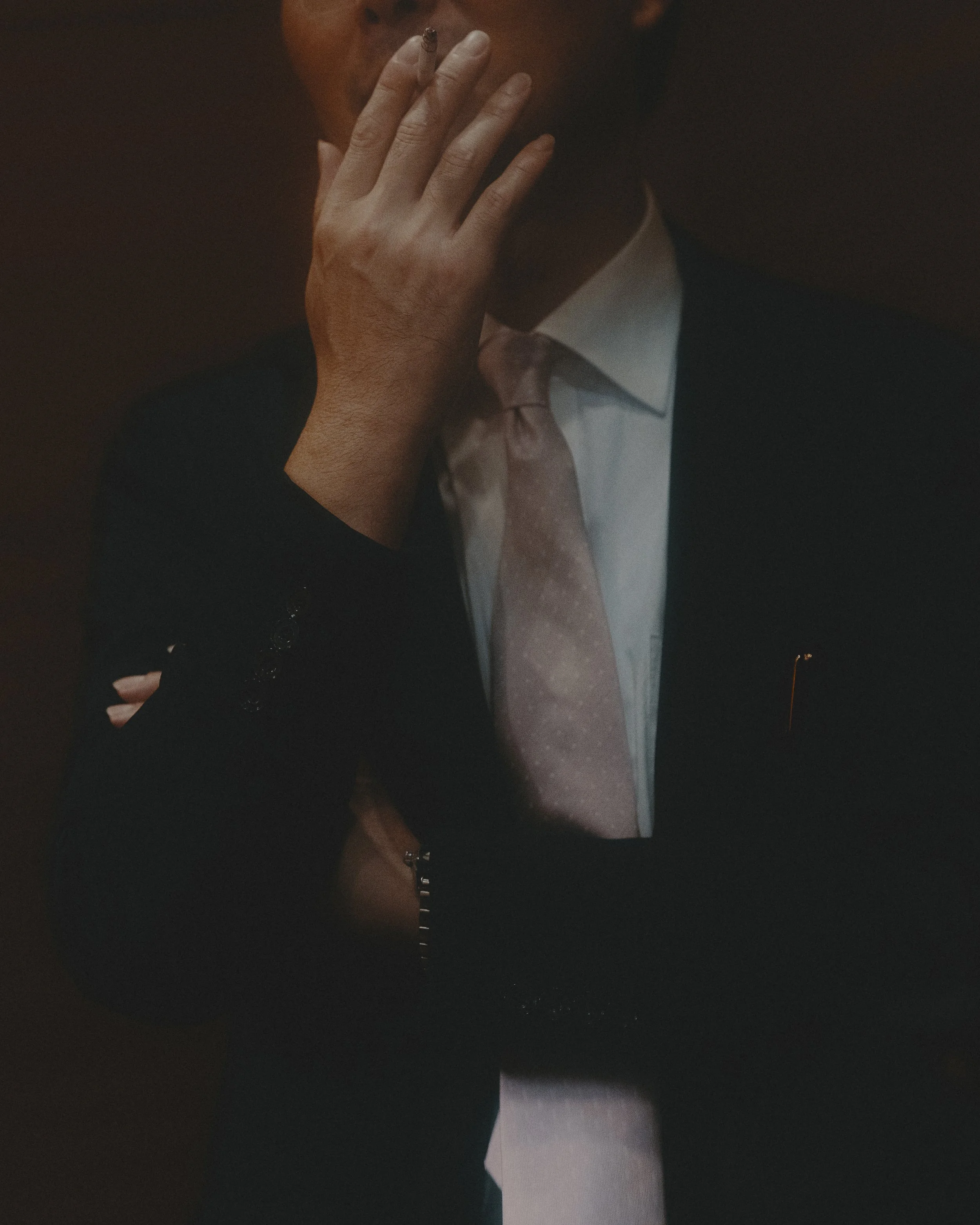
But if there is one year that changed everything for his career, it was 2020, when, on an ordinary day, an email landed in his inbox: “We are a Korean company. We would like to do an exhibition.” “They sent me a very developed project, and I jumped into it without really knowing what was going on. They set up the exhibition just as the second wave of Covid hit. In Korea, they shut everything down except for museums. The project kept growing, and I experienced it all online. It was surreal, and beautiful.” Later, the exhibition traveled to Busan, another city in Korea, and this time he managed to attend. “Suddenly, I was signing autographs. It was all very crazy.”
His day-to-day life in Tokyo is simple, a mix of enjoyment and work, photographing everything around him, intoxicated by the inherent beauty of Japanese culture: “Here, the corner of any doorway is stunning. I do not know if it is because I am in love, but everything looks beautiful to me.” Yet he laments not being able to share with friends the often curious situations that make up his daily life. “I spend my days with so many people—Koreans, Chinese, or Japanese—in meetings where I do not really understand what is going on. It is kind of funny, but I do not have anyone who speaks my language to sit with and say, ‘Guys, this is wild.’” I imagine him moving through it all with that mix of sardonic humor and gratitude, like Bill Murray in Lost in Translation, as he continues to redefine his view of the world, camera in hand, with the same blend of curiosity and humor that brought him to where he is today.
-
Issue Nº23
-
Yosigo
OPENHOUSE No. 23 EDITOR’S LETTER
THE SECRET IN THEIR EYES
THE SECRET IN THEIR IN THEIR EYES
“How can one live a life full of nothing?” This question from The Secret in Their Eyes, the Oscar winning film from 2009, strikes me every time I watch it. Filmmakers say a movie isn’t truly seen until it’s watched at least twice. The same happens with books, cities, and people. A first encounter barely scratches the surface; only with time does the gaze refine itself and discover what was once hidden. Not just because new nuances emerge, but because we ourselves change.
Perhaps that is the essence of life: the insatiable curiosity, the desire to unravel the hidden, to rediscover what we thought we already knew. And yet, we cling to the familiar, walking the same paths as if we fear getting lost in the unknown. For the past few weeks, the secret of my eyes has directed my gaze elsewhere. The corner of my eye moves away from these lines, distancing itself from the paper and the edition you hold in your hands. Sometimes, we must step back to see something in all its splendor and reveal a new facet at every sight.
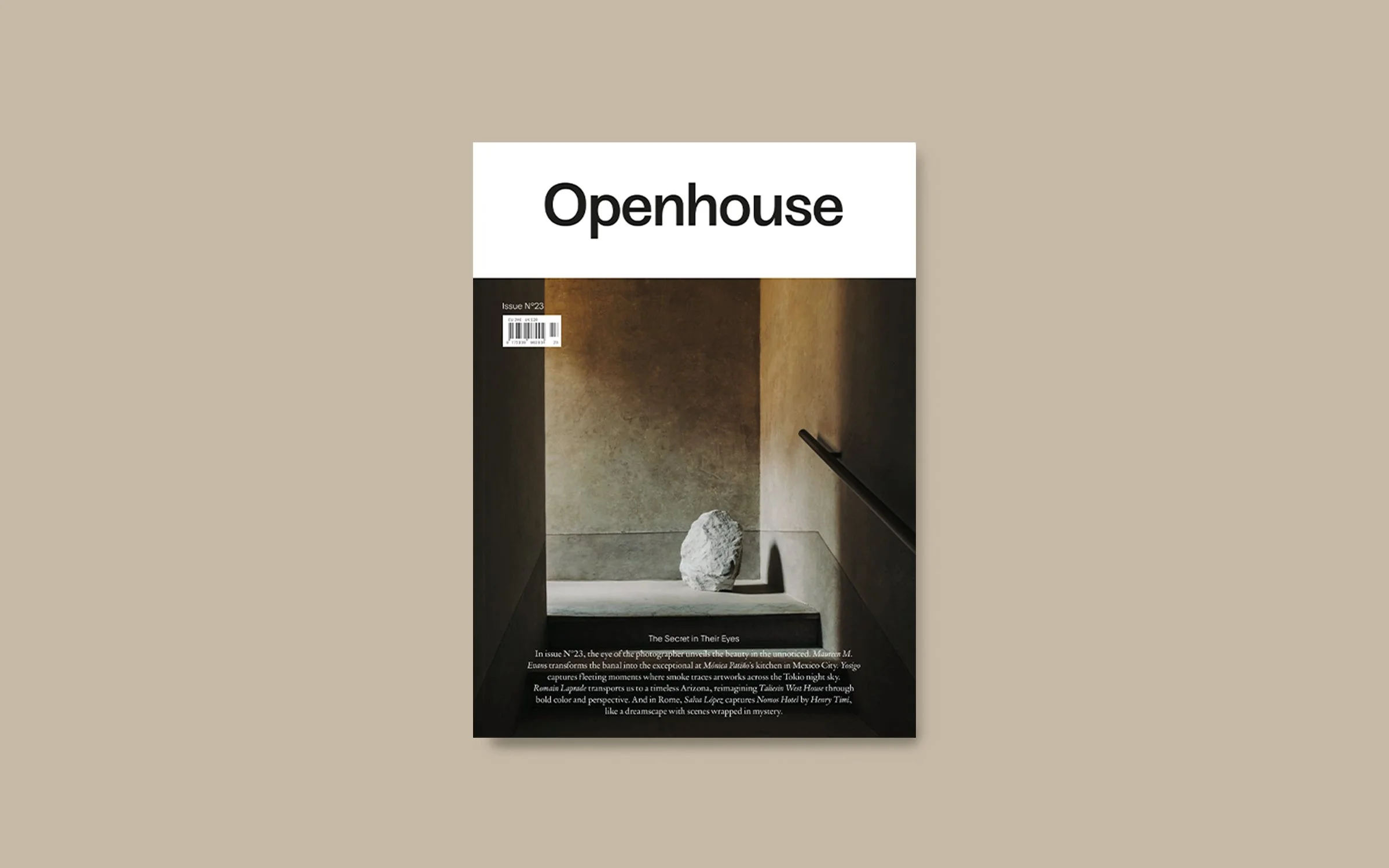
In the photographs by Maureen M. Evans, of Chef Mónica Patiño at Casa Virginia, the banal becomes exceptional, and the exceptional becomes tangible. In Japan, Yosigo captures fragments of life—ephemeral moments in the night, drifting to the rhythm of cigarette smoke as it sketches his unique artistic vision across the Tokyo sky.
The gaze has the power to reinvent the world. Some see beauty in the unnoticed, some capture the fleeting and turn it into a story. The image doesn’t hide; it reveals; it doesn’t describe; it transforms. Many photographers teach us this lesson every day: creators who, through the lens, take us by the hand and lead us into a universe where color and perspective create landscapes that verge on dreams, where the real dresses itself in fable, and architecture becomes the stage for a new story. Through their viewfinders, the routine takes on texture, and the moment becomes eternal.
Under a blinding sun, Romain Laprade transports us to one Arizona that seems frozen in another time, a fantasy embodied in the sumptuous forms of Taliesin West House, brought to life through his bold use of color and perspective. Whereas in Todos Santos, Luis Garvan unveils VIPP’s new house like a dreamscape, where memories blur and images are wrapped in mystery. There are gazes that invite us to pause in the ordinary, that don’t just capture the world, but reinvent it. They invite us to look twice, to discover what has always been there, waiting to be seen.
The Live Editorial of Charlotte Taylor
ORDER, PLAY & CAOS
-
Interview to Charlotte Taylor for Openhouse magazine Nº20.
-
Written by Inma Buendia inmabuendia.com
Photographed by Enric Badrinas enricbadrinas.com
Side Gallery side-gallery.com
Charlotte Taylor @charlottetaylr
-
ORDER PLAY & CAOS
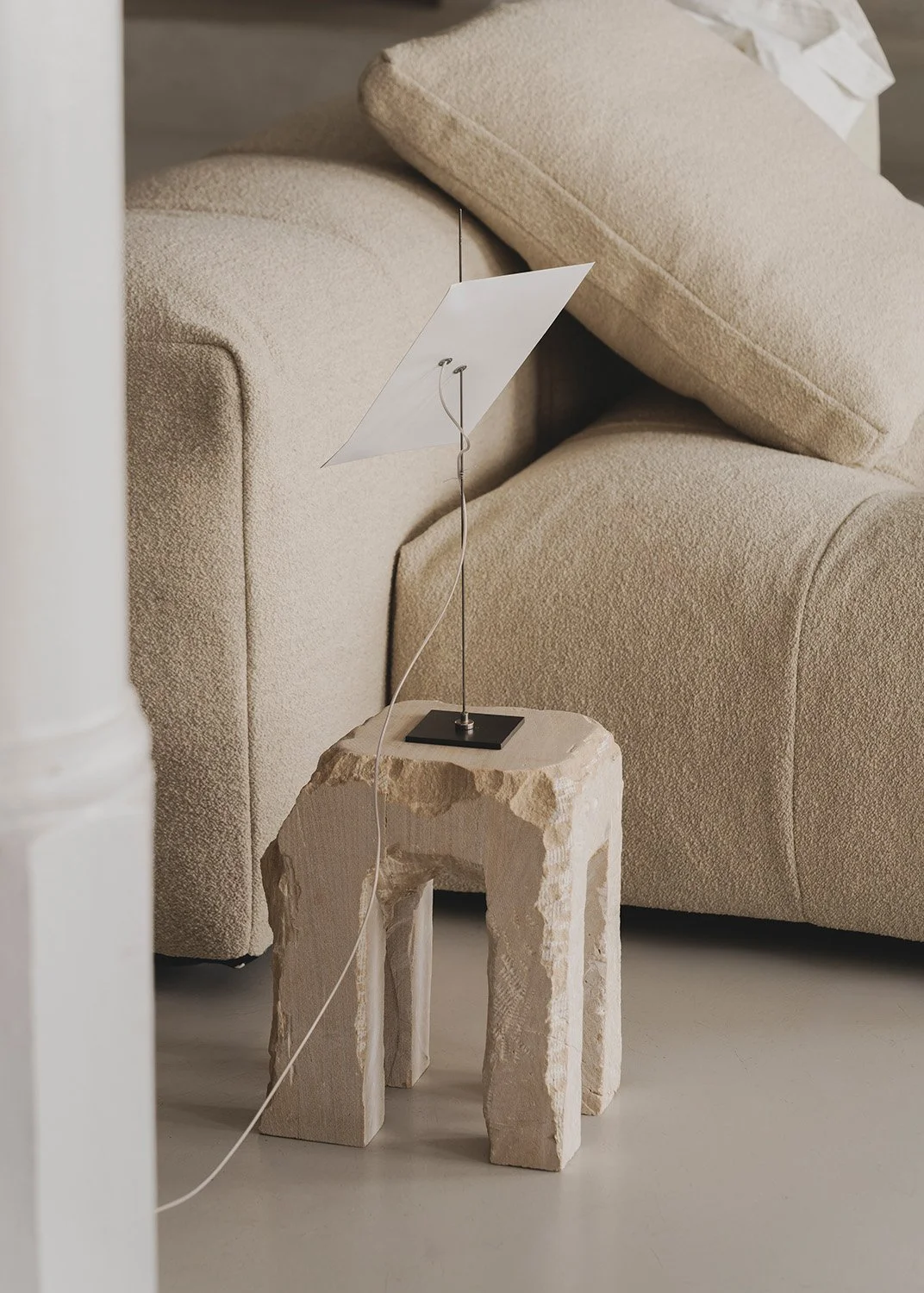
A huge space with barely any walls, surrounded by windows, with floors and ceilings all in one colour, comes into view. It's difficult to guess its purpose: is it a home, an office, a gallery, or all of the above at once? As the gaze gradually distinguishes the details, there's a table set, perhaps for guests, and an unmade bed with a laptop on it. Hobbies lie on a desk, a small table holds a chess set, and various utilitarian objects like chairs, ashtrays and wine glasses, with great sculptural appeal, could well be exhibited in a museum.
This is the first 'live editorial' by Openhouse. An installation by Charlotte Taylor that reinterprets what we call home in an imposing setting: Side Gallery, a contemporary artefact in its forms but classic in its purpose, to preserve and arrange historical records related to Latin American design of the past century. The majestic work carried out by Guillermo Santomá in the 700 square metres of this gallery in Barcelona is clad in nothing but concrete. This material serves to unify such a vast space into a single formal and functional piece. A body of work in which Luis Sendino, curator and founder of the Side Gallery, alternates tradition and avant-garde in a melancholic approach to the past that invites dreaming of possible futures.
In that sort of temporal parenthesis seems to lie Charlotte Taylor's creative proposal. Unaffected by the aesthetic noise around, her workspace is the inexhaustible archive of images that this artist and designer catalogues in her mind, creating synergies between art and everyday life, between play and chaos. To orbit in the same place as Charlotte is to be imbued by the calm - not docile - character she conveys with each step. A disposition from which sophisticated, lively spaces with a great sense of humour are born. Charlotte is the first guest to develop, alongside talented creators from all over the world, the live editorial that inaugurates OpenArchive, the life we share.


How did you incorporate the personal tastes and preferences of Openhouse and Side Gallery into your design?
There was already a synergy between Openhouse, Side Gallery and personal style so the result was more a collage of overlaying some of my more specific tastes into a palette that feels familiar. The sudoku unmade beds and striped shirts are definitely a signature of mine that brings a bit of disarray.
What part of the project did you enjoy the most?
Watching people interact with the space and pieces. There were a group of children who started playing chess which was my favourite moment I caught a glimpse of.
How does the curation of art in a house-gallery differ from traditional gallery spaces, and how does the design facilitate this distinction?
The domestic side to the space brings that very personal element to the gallery and is an invitation to react with the space and pieces in a more casual and explorative way. Movement and people’s journey throughout the space is a very different consideration, to have people lean and lounge on the pieces and become of the show as opposed to purely a visitor to the show. Taking the gallery experience beyond the visual perspective and engaging the other senses.
How do you create cohesive environments that look both elegant and effortlessly vigorous?
Maintaining an element of play and chaos and allowing things to have a sense of movement and openness, away from a highly considered yet static space.
Are there specific design objects or materials that you find particularly effective in achieving this balance?
Objects go a long way in offsetting a space and bringing a notion of personality and breaking a rigid arrangement.
How do cultural and historical elements inspire your design work?
I am always drawing inspiration from different historical/cultural eras and movements of design. Drawing on the similarities and contrasts, amalgamating references into something new yet very rooted in the past.
How do you see the relationship between design and other art disciplines in your work?
It’s very fluid. My process is very much bouncing between art and design practices. It’s inseparable for me as everything feeds into one another and design as a means itself can’t be isolated from the wider creative world.
What would you say is the main challenge you face as a designer and how do you overcome it?
Actualising ideas. There’s always 100+ ideas that I can get really excited by and passionate about but it's impossible to be able to develop and keep up with the speed of your imagination. It’s frustrating to see so many ideas dissolve and never take shape. Prioritising the projects and concepts that I’m most driven by and trying to allocate a dedicated time and schedule rather than starting multiple things at once is helping to keep the momentum but not dilute the designs.
What has your design journey and the influences that have shaped your aesthetic?
My personal design journey has been a bit of a winding and unconventional one to reach architecture. Passing through a range of mediums and disciplines within design has shaped my interdisciplinary approach and aesthetic. Having a Fine Art education has also been very defining in my journey, allowing a very playful and unconstrained perspective to the design processes and protocols.
How do you envision the future of design, and what role do you hope to play in shaping it?
I see it becoming more and more collaborative, not just within traditionally deemed creative fields but inclusive of all fields and sectors. Honouring the creativity of scientists, mathematicians, ecologists and design becoming the product of many, not a single designer/architect/artist. I would love to work with and learn from fields I am not familiar with and start conversations around creative ways of working together.
MARCOS PALAZZI
PORTRAITS OF LIFE
-
Interview to Marcos Palazzi for Openhouse magazine Nº20.
-
Written by Inma Buendía inmabuendia.com
Photographed by Fabián Martínez fabianml.com
Marcos Palazzi marcospalazzi.com -
PORTRAITS OF LIFE
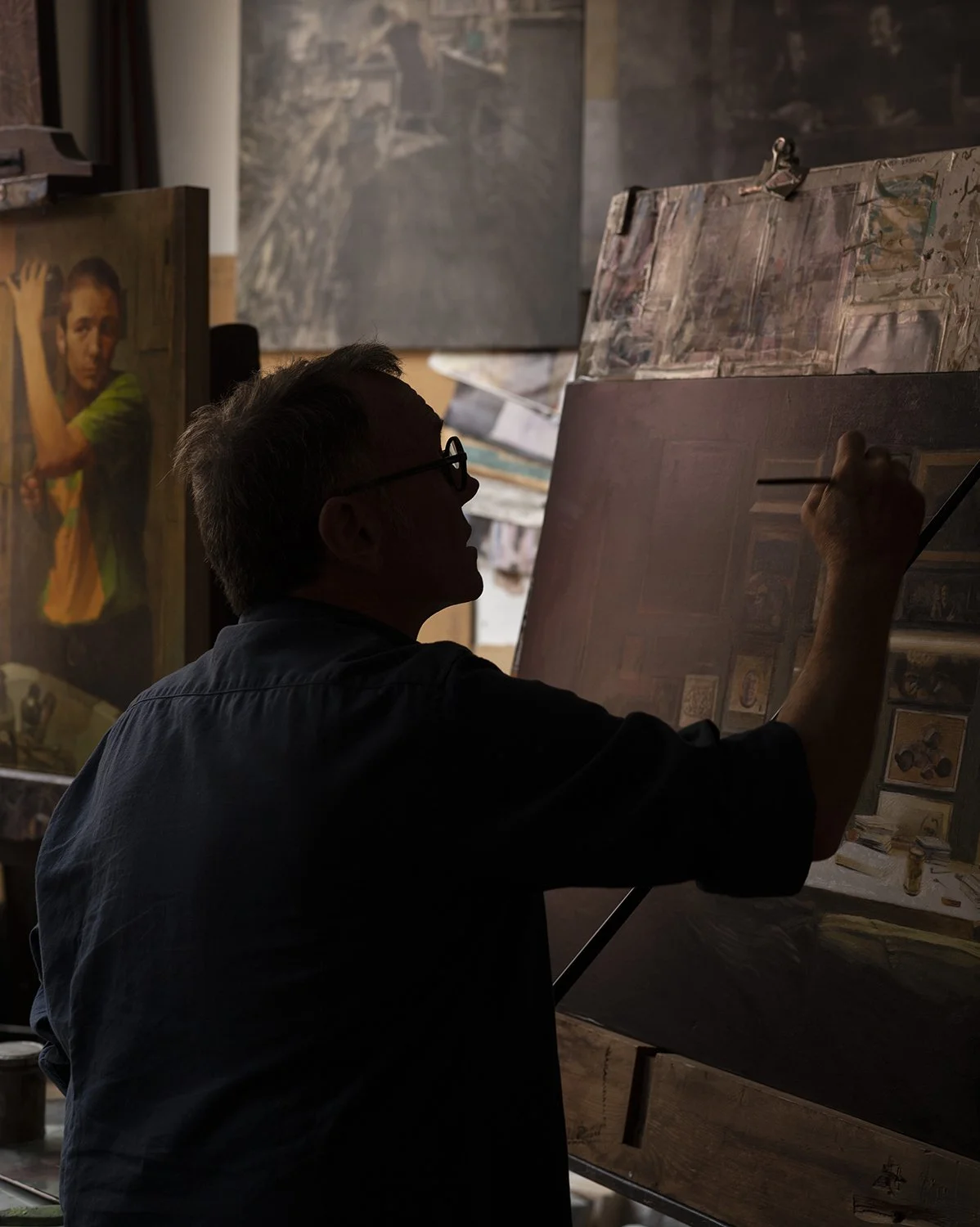
Entering Marcos Palazzi’s (Barcelona, 1965) studio is, in a way, like entering his home. This Catalan artist, whose greatest virtue is humility, turns everyday things into art. His inspiration, drawn from his emotional surroundings, fuels his mainly pictorial work that revolves around drawing, photography, memory and a sense of humour.

We meet his daughter Lucía in what seems like an almost Costumbrist scene like those depicted in Palazzi’s work, and, amid laughter, memories and anecdotes, she reveals her father’s career and personality whenever he plays down some of his achievements.
Everything in Marcos Palazzi’s story seems to take place in a continuous present, as if we were in a story by George Orwell where only the here and now matters. So that when I ask him how and when he met Marta, his wife: “In Puigcerdà, I suppose. Years ago. I used to go to a friend’s house and she had a house there.” His work is a way of capturing moments. Many of the paintings around us are family scenes featuring his three children, his wife and himself. “It’s harder to paint children when they're small, it’s more difficult. I painted them several times in a large format. They all sold. It's funny because, who wants a painting of a child?” he muses. “When we went to exhibitions,” Lucía explains, “my brothers and I counted how many times we were in the paintings to see who would win. One day at the beach,” she continues, “a boy who was playing with us said that my brother looked very familiar. Suddenly it dawned on him that there was a painting in his home of my brother Simon pulling at a tooth. Of course, someone has a child and someone has Simon. Someone has me or someone has my mother, my cats or my dad. People buy us, yes.”
While Fabián and Lucía arrange the space to shoot the portraits, I do the same with words, trying to find out if an artist is born or made. “I’ve always drawn, ever since I was a little boy. I also like comics a lot. Even then I was very inspired by the underground comic artist Robert Crumb and all his work. The comic Dossier Negro was more about horror stories, but it had very good cartoonists, almost all of them Americans,” explains Marcos.

It was the 1970s in Barcelona, a time when it wasn’t easy to find these comics. “My uncle would buy them all. Although he was a doctor, he was very fond of comics. He’d let me go into his room and read some of them, but just a few. Later, I’d borrow Will Eisner's much-loved comic The Spirit from a newsagent’s. The girl who ran it let me, and she was more discreet about it than I was.” Marcos says that he partly credits his profession to an accident he had shortly before taking his university entrance exams. “I was in a coma for seven days after the accident, I didn’t study at all and I failed. Instead of doing Fine Arts, I enrolled at EINA (Centro Universitario de Diseño y Arte de Barcelona) because I was advised to by the designer América Sánchez. He taught there. Shortly afterwards I got into the Massana school and the Llotja, which I also used as a studio.” Soon after, Marcos won a competition organised by the Parés Gallery in Barcelona (where he continues to exhibit) and art became his livelihood.
Art is not only Marcos’s profession but also the place to which he belongs, the community in which he has been immersed since he started out. “When I was 22 or 23 years old, we had a group called San Paulino. It was the name of the street where we had the studio, an abandoned school in the upper part of Barcelona that they let me use. We thought of having an exhibition to avoid the galleries. It lasted a day and was a lot of fun. We sold quite a lot. We did it every year.”
Today, his studio is a hidden gem in Barcelona’s Gothic Quarter, the kind where you enter through a modest courtyard and up a narrow staircase. Nothing indicates what you’ll find when you cross the threshold: large semi-arched windows, hundreds of artworks of all sizes, images, stickers, peculiar objects... “Upstairs you will find Artigau, a Pop Art artist, so to speak, who is 83 years old. He was my teacher and I’d come and visit him from time to time. One day, I asked him to let me know if his downstairs neighbour ever left because I'd like to rent the studio if I possibly could, and I’ve been here for ten years now.” Lucía acts as our guide: “Mateo here doesn’t look like Mateo,” she says, pointing to a painting of her brother. “And that is the farewell to my dog in the kitchen, when we had to have him put him down,” she explains, while standing next to another of the paintings that, like a photo album, amass milestones from her own life.
OPENHOUSE EDITOR’S LETTER
THE ACT OF SHARING
THE ACT OF SHARING
-
Editor’s letter of Openhouse magazine Nº20.
-
Since Openhouse launched its first issue almost ten years ago, the world has reconceptualized the term sharing. Today, it has many more meanings, more nuances, more scenarios and more platforms. However, in many of its current meanings, sharing is linked to the idea of an individual who unilaterally emits ideas or emotions from a physically closed space, in many cases through social networks. It is a way of breaking down borders that allows us to connect in real time with people from all over the world, but only, and here is the catch, while holding tight to the small physical world of an individual device such as a smartphone. In solitude but at the same time in company.
For Openhouse as a project, even before becoming a publication, the idea of sharing refers to its social meaning, linked to the physical and communal encounter. In the same way as in the eternal enigma: “if a tree falls in a forest and no one is around to hear it, does it make a sound?”; If we have a talent or gift that no one knows about, can we really defend that it is a real ability?

Published in 2014, Openhouse magazine's No. 1 was born with a slogan: The Life we Share. A phrase that describes, almost literally, what Andrew Trotter and Mari Luz Vidal, founders of the magazine, were doing at that time in their own home. An apartment in the center of Barcelona that they not only shared as roommates, but also turned into a project in itself when they decided to open its doors to anyone who wanted to enjoy the different cultural activities that they both began to program. This 'act of sharing' is still latent under the skin that Openhouse magazine inhabits. Twenty issues later, the emotion we feel when we look back is indescribable. There are many people who began as names of professionals whom we admire, and today we can consider friends. Architects, artists, curators and creators who opened the doors of their homes to us so that we felt as if we were in our own home. John Pawson, The Gomis family, Jan and Lin Utzon, Héctor Barroso, César Cervantes, Christian Bourdais and Eva Albarrán… The list is overwhelmingly long.
But we are not only filled with emotion when reviewing what we experienced. We also do it when we look up to foresee what is to come. In this issue, we surround ourselves with already known faces such as Vincenzo and Claudia Rose de Cotiis, who are kind enough to show us their new project in Venice. An ode to Italian art that is a work of art in itself.
We visited Casa Soleto, the personal project of Andrew Trotter and Marcelo Martínez. It is a home away from home, whose renovation we have witnessed through their hard work and enthusiastic joys over the last two years that welcomes anyone who wants to live an almost spiritual experience in Puglia, Italy.
Across the ocean, in Mexico City, Graciela Iturbide and Mauricio Rocha sit at the table in the Estudio Iturbide with their friend, the artist, Claudia Fernández. Around a delicious cake and a bottle of tequila, mother and son tell us about their respective creative processes, as a photographer and as an architect, about their first professional steps, and share their family history through anecdotes, memories and laughter.
Not far from there, in San Francisco, Ira Kurlander opens the doors of his house to us; a home designed by the architect himself where the mid-century style coexists with creative dreaminess and a certain surreal touch. Holding that sense of creative play in our minds, we return to Barcelona to visit the studio of the artist Marcos Palazzi, whose paintings of intimate and family scenes invite us to recognize the universal themes we share.
If there is one thing I have learned since I started working at Openhouse magazine in 2015, it is that sharing and capturing moments of our lives, through any type of discipline or platform, is an intimate act that remains within our physical and emotional memory.
At Openhouse we like to think that we continue to be a meeting place. We continue to strengthen ties with creative people around the world and we like to do it as we always have: inviting them to come in, sit down and chat.