
THE PEBBLE AND THE ROUND POUND
FERNANDO CARUNCHO
-
Interview to Fernando Caruncho in his studio, Madrid.
-
Openhouse magazine
Issue Nº12 -
Photographed by Salva López
salvalopez.comCaruncho Garden & Architecture
web.fernandocaruncho.com -
FERNANDO CARUNCHO
As I walk, I heed the spherical pattern traced on the ground, my mind is engrossed in circular trains of thought... I feel as if I am floating, walking on the ripples caused by an imaginary pebble as it drops into the pond... right in the middle of the circumference.
“All places possess some kind of beauty. There’s no-where in the world without beauty, because their excellence resides in light.”
The person who launched the pebble is Fernando Caruncho, interpreter of a language conveyed through light and nature, expressed in the form of a garden. However, this is not the only way that Fernando imparts its message. Today, on our visit to his studio, there is a magnetic rhythm to Fernando’s conversation that guides us in discovering what underlies that notion commonly known as a landscape or–what is tantamount to the same– what underlies what we call life.
In this little corner of the world on the outskirts of Madrid, there are no shortcuts to the course of events. Time follows its natural order and the passage of time is awarded an almost religious respect. Gardening is based on this same respect. Fernando’s studio has specialized in sparking off dialogue between landscape gardening (in the sense of creating gardens conceived to accompany and enhance architecture) and this last discipline for over forty years.
Lulled by the unusual tempo of Caruncho’s words, we converse with him about the divine, the human and a combination of both. For this creator, one is meaningless without the other. His background in philosophy–whose studies he completed before turning to the world of gardening–exerts a strong influence on his vision of the world. His gentle tones and unhurried pace lend a credibility to words that have a transformational capacity. «Gardens are a question of faith, where desire plays a key role. I believe in love as a universal force. It’s that unfamiliar force that gives us our balance in this chaotic universe.»
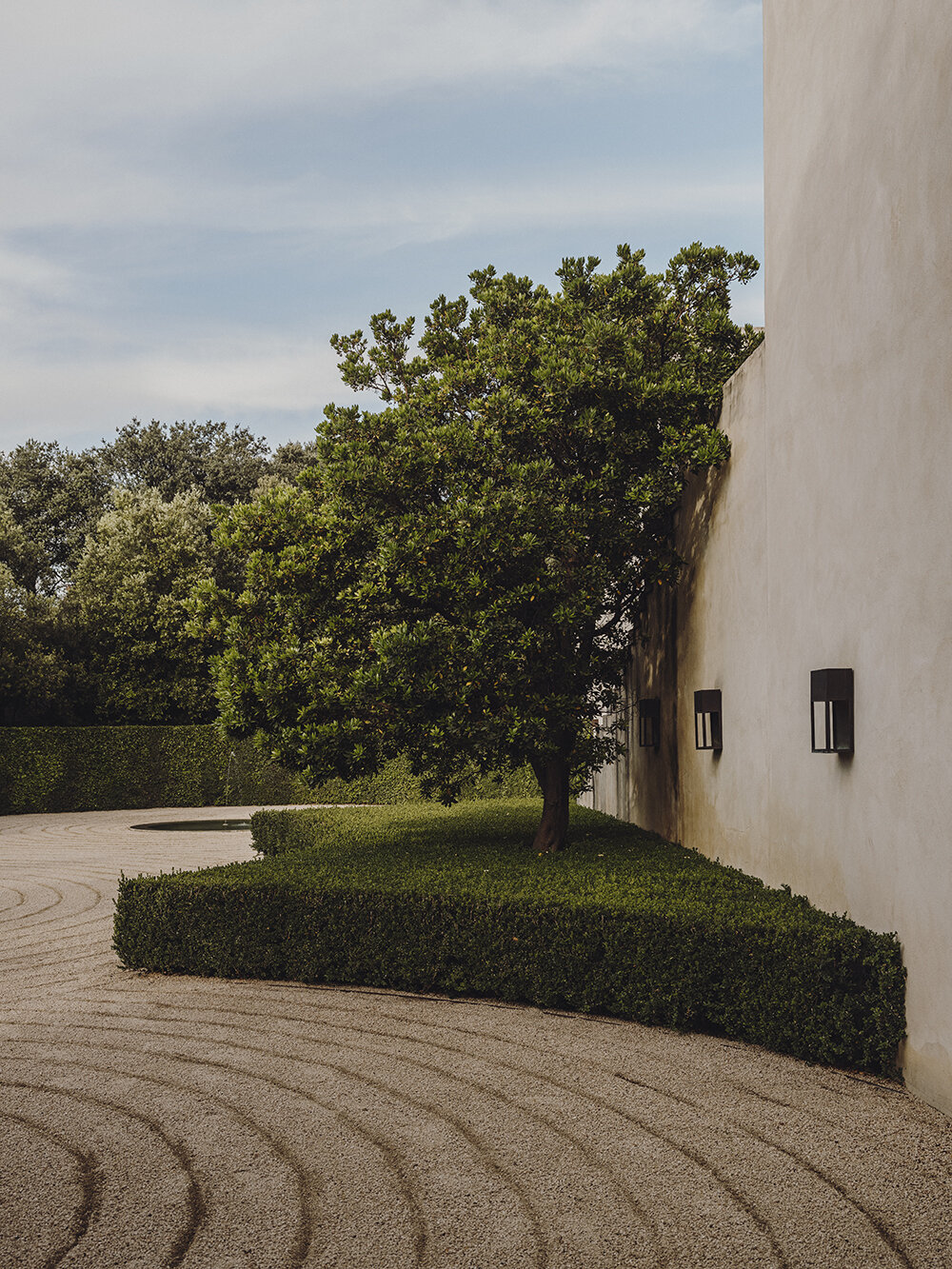
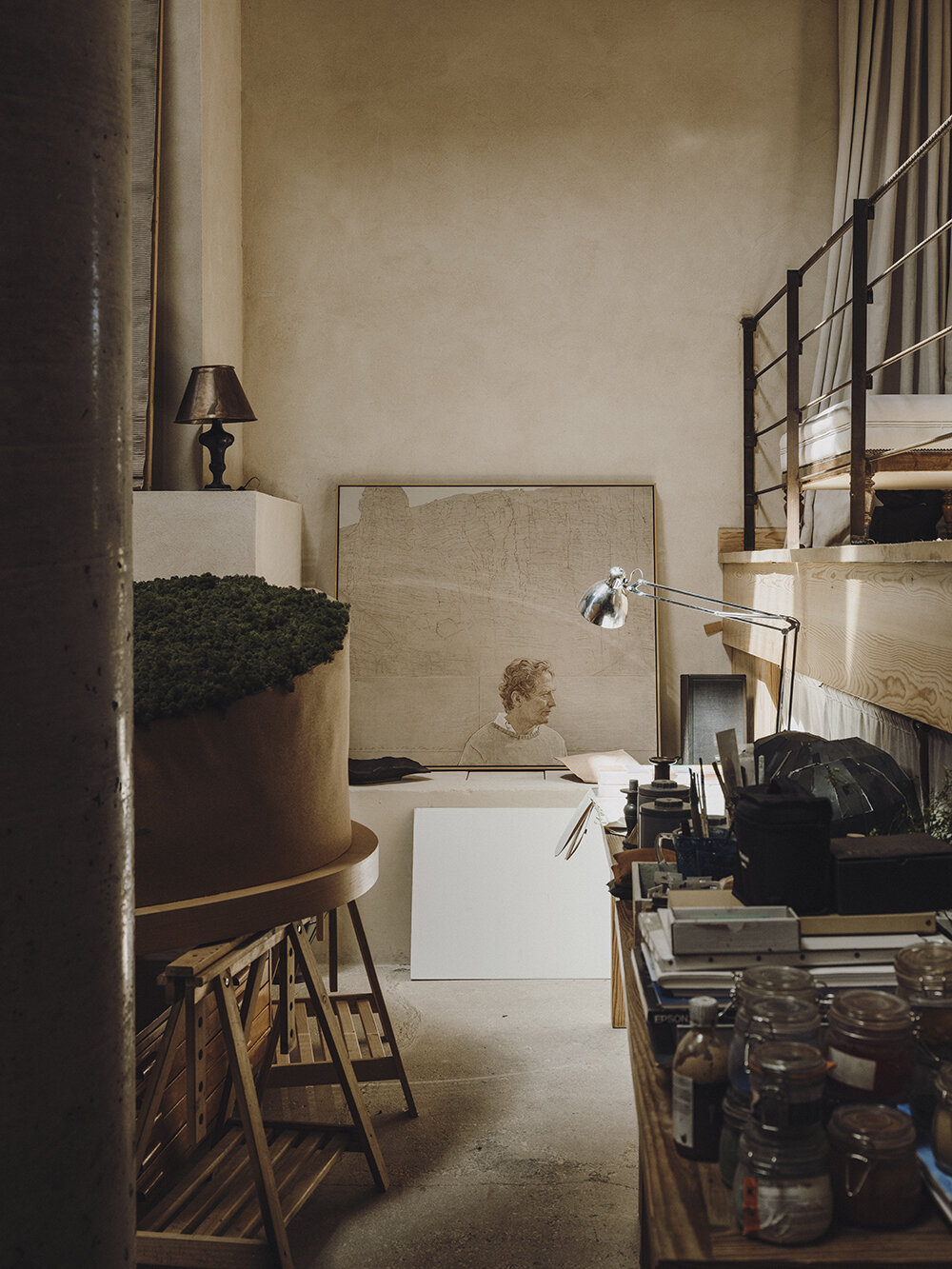
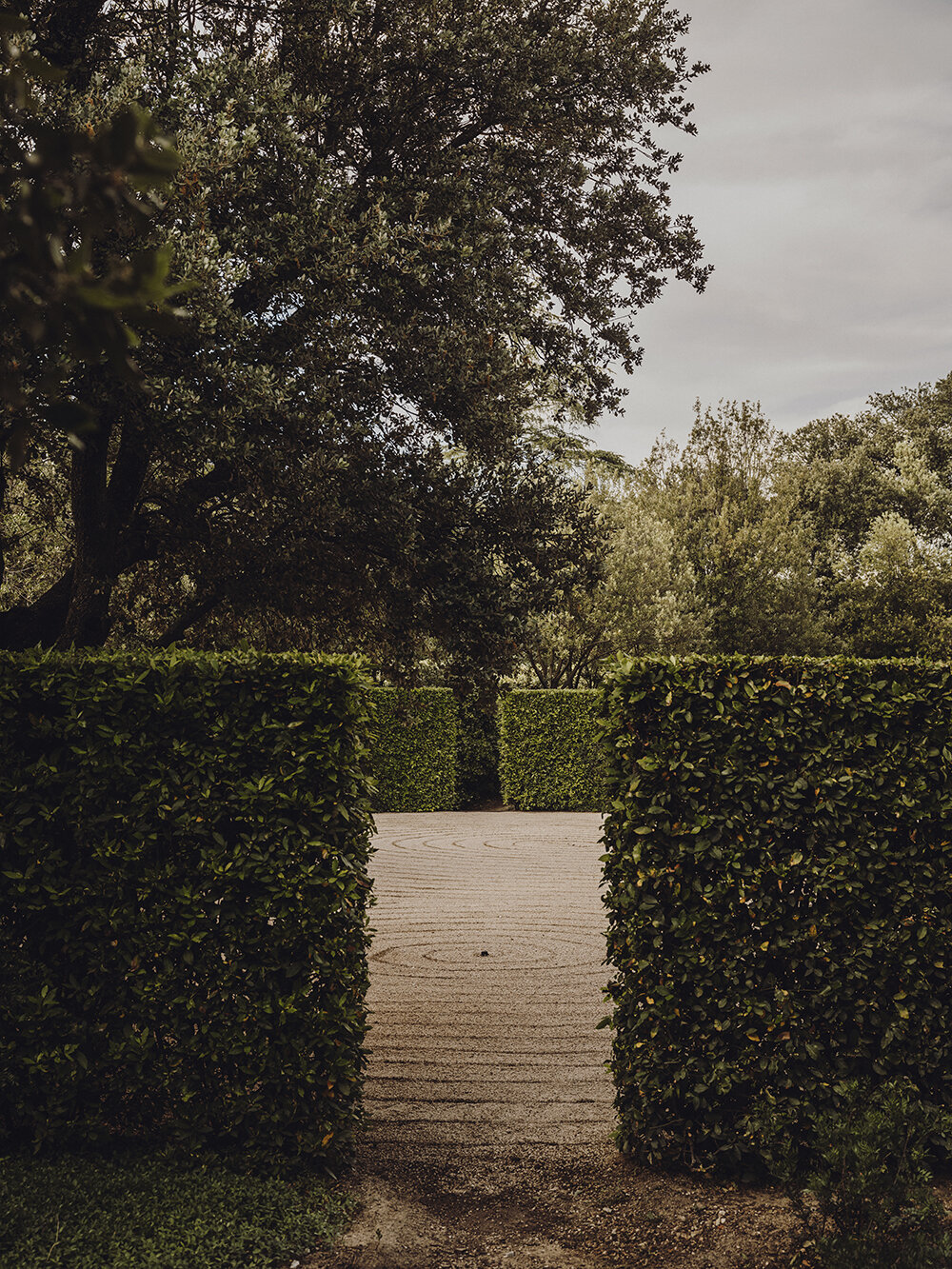
Fernando spent part of his childhood in Ronda, Malaga, where his parents had an apartment. «At the end of the tree- lined avenue, La Alameda del Tajo, I would cling onto the railings of a vantage point hovering above a 200-metre drop and gaze at the landscape that stretched out before me», he recalls. «Maybe that was the origin of my passion. Ronda is a place where one feels closely in tune with the landscape.»
“Gardens are like all living things. They are created and they grow, mature and die in a cyclical process. I feel as if I’ve died on many occasions. By dying, I give rise to a new Fernando, whose existence would not be possible without the preceding one.”
Like the conductor of an orchestra, Fernando orders his words organically and guides us along the pathways of a philosophy that is not new but which is so rare that it seems contemporary: «The speed of today’s life trivializes events. We are always waiting for the next thing to occur and so instead of being enriched by experiences, they burn us up.» He explains that a garden’s creation, growth and development form part of that process of enrichment. «A garden takes time to reach its peak and patience is needed until that moment. Gardens are not for people who are in a hurry, but for those who understand that life is a marvellous process, filled with mystery closely tied in with nature.»
One key aspect of gardens is their sense of movement. «It’s marvellous to see how the features that generate the most movement are actually the totally static ones driven into the ground.» This interplay with reflections and surface absorbed light waves originated in the Mediterranean: «It’s an ancient method. Controlling light, empty spaces and volumes. If you can achieve that with architecture, the space is transformed into a concept. This is the case with all Mediterranean architecture. It’s totally conceptual.»

The studio we are in is a good example of this method. It is simple and welcoming, and yet brimming with originality and stylish sobriety, epitomized, above all, by the ever-present light. «A few days ago, my friend Axel remarked that what he likes most about this place is its sense of emptiness. I think he’s right. If there’s something special about it–because basically it’s just a cube with a hole on top– it’s that feeling of emptiness.»
When he embarks on a new project, the starting point is clear: «All places possess some kind of beauty. There’s no-where in the world without beauty, because their excellence resides in light.» Fernando’s work begins when the spirit of that light is expressed. Then he listens to the place and tries to reproduce the message that it conveys to him. «We don’t plan a place. We let it shape our minds through a process of observation where there’s no room for bias.» He sums it all up by saying that in architecture and gardens, «We must summon the spirit of the place.»
The words of this great thinker are guided by the spirit of generosity and he expresses his ideas with keen sincerity. «Gardens are like all living things. They are created and they grow, mature and die in a cyclical process. I feel as if I’ve died on many occasions. By dying, I give rise to a new Fernando, whose existence would not be possible without the preceding one, although this one is different from before.» When we bid farewell to each other at the end of the day, we are no longer the same people because Fernando has taught us a major lesson in life.
LA PIEDRA SOBRE EL ESTANQUE CIRCULAR
FERNANDO CARUNCHO
-
Entrevista a Fernando Caruncho en su estudio, Madrid.
-
Openhouse magazine
Issue Nº12 -
Fotografiado por Salva López
salvalopez.comCaruncho Garden & Architecture
web.fernandocaruncho.com -
FERNANDO CARUNCHO
“Todo lugar posee su belleza. No hay un sólo espacio en la tierra sin ella porque es en la luz donde reside su excelencia”
Mientras camino respetando las líneas esféricas dibujadas sobre el terreno, mi mente se sumerge en un pensamiento circular. Me siento flotar como si caminara sobre las ondas que una imaginaria piedra hubiera provocado al caer en el estanque situado en el centro de la circunferencia. Quien lanza el guijarro es Fernando Caruncho, un intérprete del lenguaje hablado entre luz y naturaleza cuya forma de expresión es el jardín. Aunque decir que ésta es la única forma en la que Fernando traslada su mensaje, sería injusto. Su conversación parece conocer un compás magnético que, durante nuestra estancia en su taller, nos lleva de la mano a descubrir qué se esconde detrás de aquello que llamamos paisaje, o lo que es lo mismo, de lo que llamamos vida.
En este pequeño rincón del mundo situado a las afueras de Madrid, no existen atajos en el devenir de los acontecimientos. El tiempo discurre según su orden natural y el respeto que se profesa a ese lapso temporal se eleva a categoría de credo. La jardinería basa su desarrollo en dicho respeto. Definido como el arte de crear jardines que acompañan y ensalzan la arquitectura, el estudio de Fernando trabaja el diálogo entre estas dos disciplinas desde hace más de cuarenta años.
Mecidos por el inusitado ritmo que acompasa las palabras de Caruncho, conversamos con él acerca de lo divino, de lo humano y de la combinación de ambos. Para este creador, lo uno no tiene sentido sin lo otro. Los estudios de filosofía —que completó antes de sumergirse en el mundo de la jardinería— mantienen una gran influencia en su manera de entender el mundo. Su tono suave y su tempo calmado aportan consistencia a un discurso que resulta transformador. «El jardín es una cuestión de fé donde el deseo es una palabra clave. El amor como fuerza del universo es algo en lo que creo. Es esa fuerza que desconocemos y que hace que estemos de forma equilibrada en este caótico universo».
Parte de su infancia la pasó en Ronda, Málaga, donde sus padres tenían un apartamento. «Allí, al final del camino arbolado de La Alameda del Tajo, me agarraba a los barrotes de la balconada situada al borde de un abismo de 200 metros y observaba el paisaje que se extendía ante mí», recuerda. «Quizá en ese lugar sea donde se encuentra la semilla de mi pasión. Ronda es un lugar donde uno se siente muy unido al paisaje».
“Al jardín le pasa como a todo lo vivo. Nace, crece, madura y muere de forma cíclica. Yo siento que he muerto muchas veces. Muero y doy lugar a un nuevo Fernando cuya existencia no es posible sin el anterior pero que ahora es diferente de antes”
Como un director de orquesta, Fernando ordena de forma orgánica las palabras y nos guía por los senderos de un pensamiento que no es nuevo, pero que de inusitado parece moderno: «La rapidez con la que se vive hoy es una banalización de los acontecimientos. Siempre estamos esperando a que llegue lo siguiente, por lo que, en lugar de enriquecernos de la experiencia, vivimos consumidos por ella». El jardín nace, crece y se transforma bajo ese impulso de enriquecimiento, explica. «Un jardín tarda en llegar a su plenitud y se requiere paciencia para verla cuando al fin llega. El jardín no es para gente que tenga prisa sino para quien entiende que la vida es un proceso maravilloso, lleno de misterio al lado de la naturaleza».
Un aspecto esencial de los jardines es la sensación de movimiento. «Es magnífico ver cómo las piezas absolutamente estáticas que uno fija de manera radical a la tierra, son las que más movimiento proyectan». Un juego producido por el reflejo y absorción de las ondas lumínicas sobre la superficie, cuya metodología nació en el Mediterráneo: «Es un código antiquísimo. El control de la luz, el control del vacío y el control del volumen. Si en arquitectura consigues eso, el espacio se convierte en un concepto. Eso es lo que ocurre con toda la arquitectura del Mediterráneo, que es absolutamente conceptual».
El estudio en el que nos encontramos da buena cuenta de dicho método. Tan sencillo como cálido, el espacio rezuma excepcionalidad y una elegante austeridad cuya máxima expresión es la sempiterna luz. «Precisamente mi amigo Axel me comentó hace unos días que lo que más le gusta de este sitio es el sentido del vacío. Y yo creo que es verdad. Si algo tiene, porque no es más que un cubo con un agujero arriba, es esa percepción del vacío».
A la hora de enfrentarse a un nuevo proyecto, la idea de la que parte es clara: «Todo lugar posee su belleza. No hay un sólo espacio en la tierra sin ella porque es en la luz donde reside su excelencia». El trabajo de Fernando comienza cuando ese espíritu luminoso se expresa. Entonces, éste escucha al espacio y trata de reproducir el mensaje que éste le hace llegar. «No proyectamos el lugar sino que dejamos que éste se proyecte sobre nosotros. Se trata de un acto de observación en el que no caben los prejuicios». Tanto en la arquitectura como en los jardines, resume finalmente, «lo que uno debe hacer es convocar al espacio».
Gran pensador, la generosidad guía las palabras de Fernando, quien las formula de un modo intenso y sincero. «Al jardín le pasa como a todo lo vivo. Nace, crece, madura y muere de forma cíclica. Yo siento que he muerto muchas veces. Muero y doy lugar a un nuevo Fernando cuya existencia no es posible sin el anterior pero que ahora es diferente de antes».

A Caravan, Caterina & Me
ICELAND
ICELAND
-
Fiction tale based on Salva Lopez’s travel to Iceland.
-
-
Photographed by Salva López
salvalopez.com -
“That house on wheels had become another travel companion. It was old, one of its indicators didn’t work and the radio-cassette player was broken, but it was full of charm.”

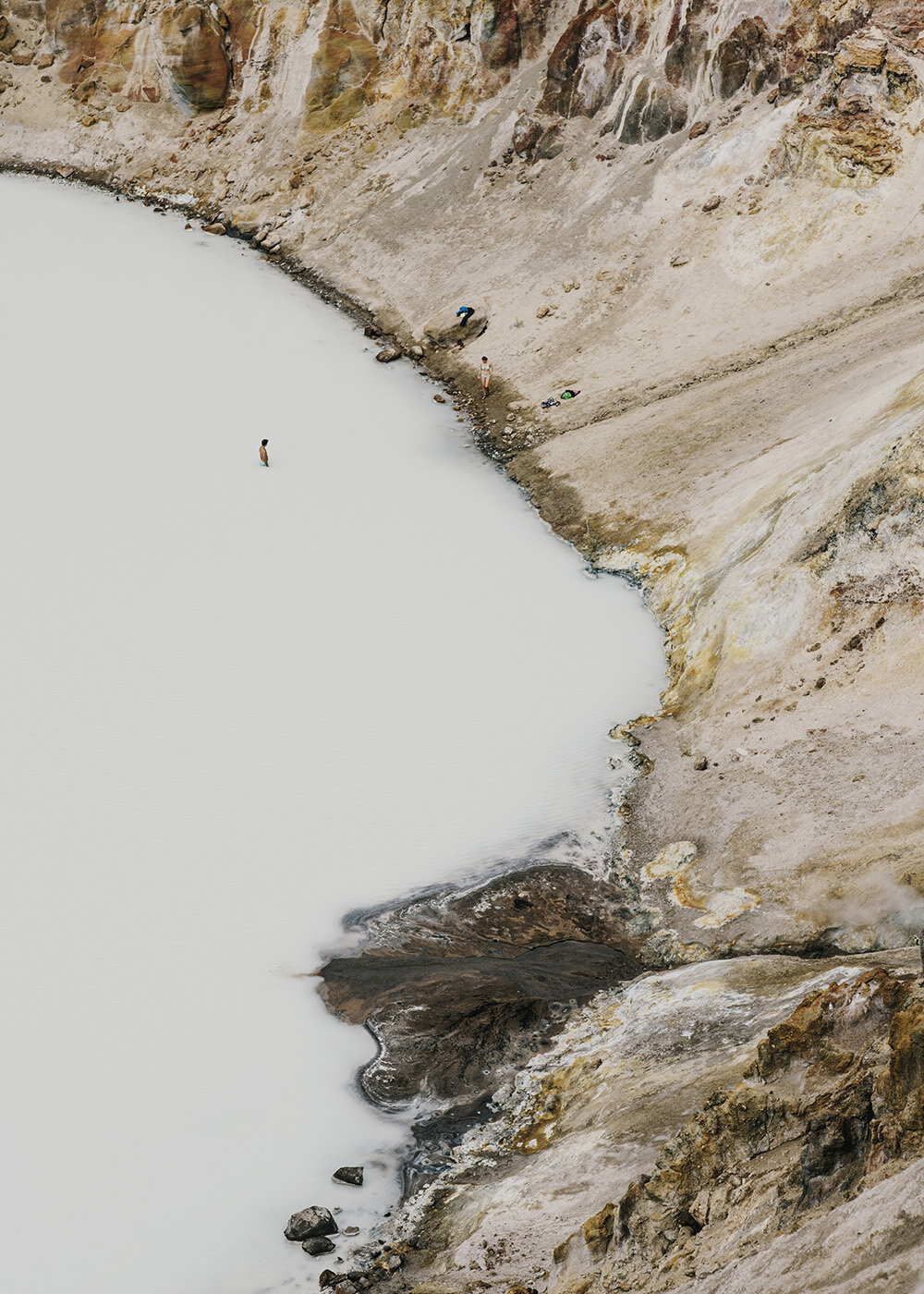

The cold morning woke us up. Caterina retracted her hand inside the sleeve of her jumper and wiped the steamed-up window for a clearer view. The rising sun covered everything around us with a beautiful golden veil: the mountains behind us, the sea before us and the lighthouse on the cliff, closing its working day.
We had been on the island for 20 days and I had spent most of the time with my head elsewhere. The constant feeling of vastness and solitude in this country with its 3.4 inhabitants per square kilometre, attracted me and overwhelmed me at the same time. I suppose I wasn’t really aware of what I was signing up for when I decided to travel to Iceland. But, despite everything, it was going well. We’d rented a cross-country caravan so that we could cook between volcanoes, swim in the island’s glaciers, sleep in its valleys and use my camera –my other great travel companion– to capture the most beautiful landscapes I’d seen in my life.
We spent hours and hours in silence, watching the wind drawing new and constantly changing tracks over the stony terrain from the shelter of our caravan. After hundreds of kilometres in this old-banger, seeing hardly a soul, my fears were slowly being dispelled and I had entered a state of excitement that came before an immense calm. What had started out as just a holiday had become something else. I felt small, but complete.
In our last few hours in Iceland, heading back to the caravan rental company, I searched for ‘My Home is Nowhere Without You’ by Herman Dune on Spotify. The sound of the banjo came through the small speaker connected to my smartphone as we crossed the island with all of our possessions.
Echoing the message of the song, I got the feeling that my home wasn’t a place. My home was the people with whom I shared my life. That house on wheels had become another travel companion. It was old, one of its indicators didn’t work and the radio-cassette player was broken, but it was full of charm.
It had put up with the nuisance of Caterina’s sprained ankle, had sheltered us from the rain and cold of a climate that was as changeable as the landscape, and had protected us when another car drove into us because the driver hadn’t seen us indicating. The caravan had been a witness to my change and our change. I would like to think that, just like the surface of that small, great island, the wind had shaped mine and Caterina’s perspectives, freeing us from the prejudices we’d had when we arrived.
The photos I took with my camera show Iceland in all its indisputable splendour, but I’m not sure that they really capture its essence. When I think about that trip, it is not these images that come to mind, but rather those of that home on wheels: beautiful, wise and imperfect.
Una caravana, Caterina y yo
ICELAND
ISLANDIA
-
Historia ficcionada sobre el viaje de Salva López en Islandia.
-
-
Fotografiado por Salva López
salvalopez.com -
“Aquella casa rodante se había convertido en una compañera más de viaje. Era antigua, uno de los intermitentes no funcionaba bien y el radio-casette se había estropeado, pero estaba llena de encanto.”
El frío de la mañana nos despertó. Caterina metió su mano dentro de la manga del jersey y limpió el empañado cristal para ver a través de él. El sol comenzaba a inundarlo todo con un espléndido velo dorado: las montañas a nuestra espalda, el mar al frente y el faro, acabando su pequeña jornada sobre el acantilado. Llevábamos 20 días en la isla y yo me había pasado la mayor parte del tiempo con la cabeza en otra parte. La incesante sensación de inmensidad y de soledad en una país con 3,4 habitantes por kilómetro cuadrado, me atraía y al mismo tiempo me abrumaba. Supongo que no era muy consciente a lo que me sometía cuando decidí viajar a Islandia. Alquilamos una caravana todoterreno que nos permitiría cocinar entre volcanes, bañarnos en sus glaciares, dormir en sus valles.
Ésta además me ayudaría a capturar con mi cámara —mi otra gran compañera de viaje— los lugares más extraordinariamente hermosos que jamás haya visitado.
Pasamos horas y horas en silencio, observando desde nuestra caravana 4x4 cómo el pedregoso terreno se dejaba mecer por un viento que dibujaba sobre él nuevas sendas imposibles de capturar en su mutabilidad. Tras cientos de kilómetros dentro de ese cacharro sin apenas ver a nadie, mis miedos se fueron disipando y experimenté un estado de excitación previo a una inmensa calma. Lo que comenzó como unas simples vacaciones se había convertido en algo más. Me sentía pequeño pero completo.
En nuestras últimas horas en Islandia, de camino a la empresa de alquiler de la caravana, busqué “My Home is Nowhere Without You” de Herman Dune en Spotify. El banjo comenzó a sonar desde el pequeño altavoz conectado a mi smartphone mientras atravesábamos la isla acompañados de todos nuestros trastos.
Tal y como rezaba la canción, sentía que mi hogar no estaba en ninguna parte. Mi hogar eran las personas con las que compartía mi vida. Aquella casa rodante se había convertido en una compañera más de viaje. Era antigua, uno de los intermitentes no funcionaba bien y el radio-casette se había estropeado, pero estaba llena de encanto. Había soportado las incomodidades del esguince que sufrió Caterina, nos había resguardado de la lluvia y del frío en un clima tan cambiante como el paisaje, y nos protegió del golpe con aquel otro conductor que no vió el intermitente encenderse.
La caravana había sido testigo de mi cambio; de nuestro cambio. Quiero pensar que, como la superficie de aquella pequeña gran isla, el viento había ido limando la mirada de Caterina y la mía propia, liberándonos de los prejuicios que la nublaban cuando llegamos.
Las fotografías que tomé con mi cámara muestran una Islandia de incontestable esplendor, pero no sé si realmente capturé su esencia. No son estas imágenes las que asoman a mi recuerdo cuando pienso en aquel viaje, sino las de aquella casa rodante, sabia, bella e imperfecta.