EDITOR'S LETTER OF ISSUE No.25
OBSESSIONS: A SELF PORTRAIT
Obsession is a double-edged sword. A line upon which certain people choose to walk, tightrope-walker-style: measuring their weight, taking three steps forward and one back, arms outstretched towards what is yet to come.
OBSESSIONS: A SELF PORTRAIT
There is a moment, difficult to pinpoint, when the things we love can begin to consume us. This is not always a bad sign. Sometimes it is simply an indication that something truly matters to us. This is how we live today. We are in the age of the “-holic”: the workaholic, the shopaholic, and whatever comes next. A mode of existence that begins as something deeply personal and that technology has turned into something communal. Social networks did not invent the phenomenon, but they have sharpened it with an algorithm that, the moment it detects our attraction to something, returns it to us multiplied, amplified, almost hyperbolic; until it becomes difficult to distinguish where genuine interest ends and where vertigo begins, as though obsession were the only valid measure of desire.
“It becomes difficult to distinguish where genuine interest ends and where vertigo begins, as though obsession were the only valid measure of desire.”
At Openhouse, we are fascinated by people who are obsessed with something and, in this issue, we introduce some of them. There is Luis Sendino, whose devotion to post-war Japanese design has led him to build a collection that speaks for itself across our pages. More eclectic, intimate, personal and contemporary is the one Andrés Carretero has been quietly gathering over the years, with no greater ambition than the pleasure of surrounding himself with pieces that stir something in him.
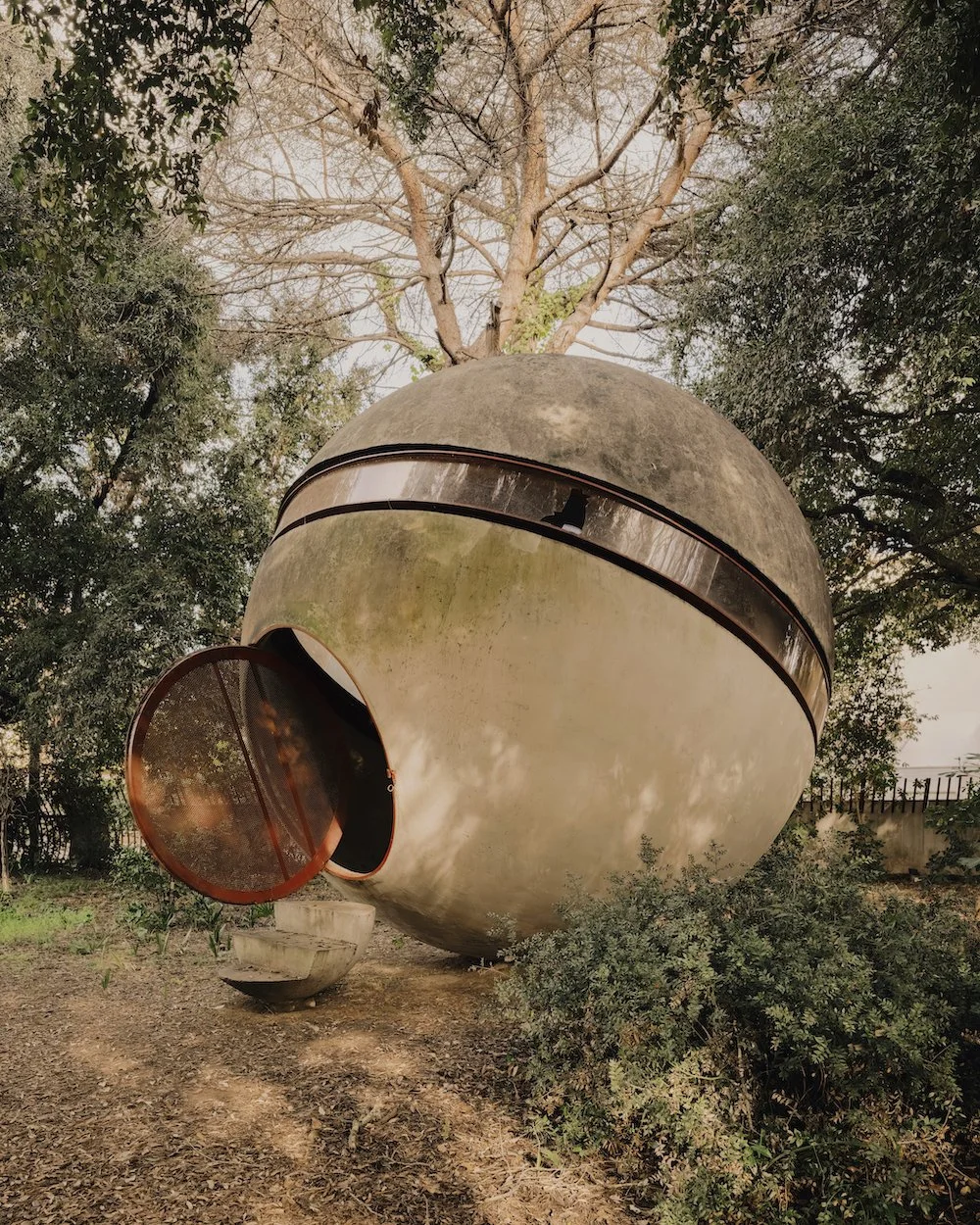
For some, it is not the object but the process that takes hold. Those who live in that eternal tension between honouring the passage of time and intervening in it. Casa Albero exists in that limbo: an architectural gem that bears its cracks without shame, that coexists with nature and merges into it. That begins in the past yet carries the scars of everything it has lived through, worn close to the surface.
“Obsession is a double-edged sword. A line upon which certain people choose to walk, tightrope-walker-style: measuring their weight, taking three steps forward and one back, arms outstretched towards what is yet to come.”
Obsession is a double-edged sword. A line upon which certain people choose to walk, tightrope-walker-style: measuring their weight, taking three steps forward and one back, arms outstretched towards what is yet to come. That is how I like to see our protagonists. From the Enrich family to Studio KO, whose understanding of architecture as a sinuous intervention in place has led them to create a gallery with Nathalie Guihaumé, called L’Œil de KO. All of them have made their passion a way of inhabiting the world. Because all these obsessions make life a far more interesting place to be. Even if, at times, they make those who carry them suffer. Like a wound one returns to every so often, just to check it is still there, still alive, still with something to say. Perhaps that is the most honest thing a human being can do: stop pretending it no longer hurts.
EDITOR'S LETTER OF ISSUE No.25
OBSESIONES: EL RETRATO DEL ALMA
La obsesión es un arma de doble filo. Una línea sobre la que hay personas que, como funambulistas, eligen caminar: calibrando el peso, dando tres pasos adelante y uno atrás, con los brazos bien extendidos ante lo que está por llegar.
OBSESIONES: RETRATO DEL ALMA
Existe un momento difícil de precisar en el que aquello que amamos puede empezar a consumirnos. No siempre es un mal síntoma. A veces es simplemente la señal de que algo nos importa de verdad. Así se vive hoy. Estamos en la era de los -holics (workaholic, shopaholic y los que están por llegar). Una forma de ser individual que la tecnología ha convertido en comunal. Las redes no han inventado el fenómeno, pero sí lo han agudizado con un algoritmo que, en cuanto detecta nuestra atracción hacia algo, lo devuelve multiplicado, amplificado, hiperbólico; hasta que resulta difícil distinguir dónde termina el interés genuino y dónde empieza el vértigo, como si la obsesión fuera el único baremo válido del deseo.
“Resulta difícil distinguir dónde termina el interés genuino y dónde empieza el vértigo, como si la obsesión fuera el único baremo válido del deseo.”
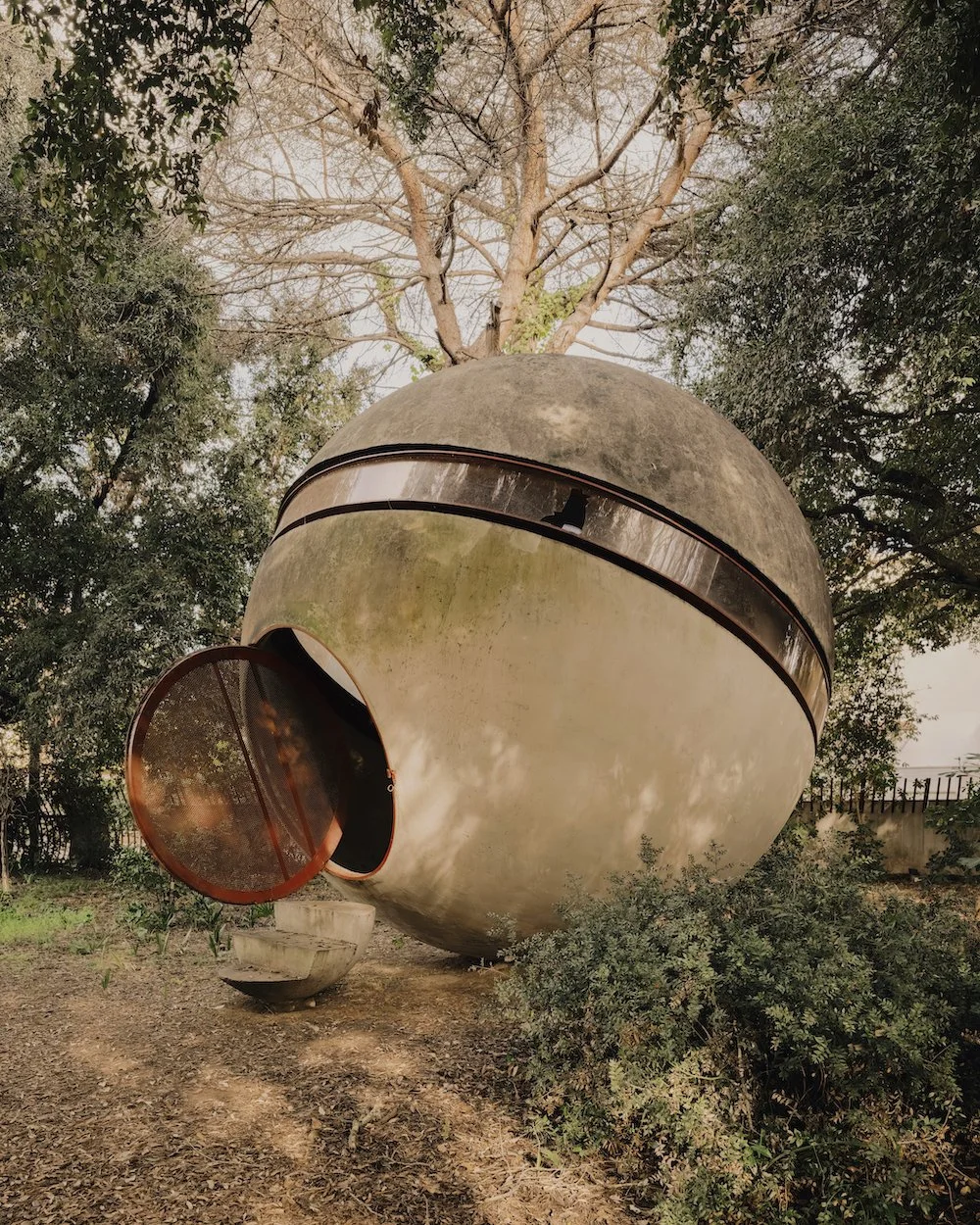
En Openhouse nos obsesionan las personas que se obsesionan, y en este número mostramos algunas de ellas. Como Luis Sendino, cuya devoción por el diseño del Japón de la posguerra le ha llevado a construir una colección que habla por sí misma en las páginas de la editorial. Más ecléctica, íntima, personal y contemporánea es la que Andrés Carretero ha ido atesorando sin más pretensión que el goce de verse rodeado de aquello que le estremece. Una colección que, como él mismo, va cambiando y evolucionando con el paso del tiempo.Hay a quienes no es el objeto sino el proceso lo que les engancha. Que viven en esa eterna diatriba entre respetar el paso del tiempo o intervenir en él. Casa Albero vive en ese limbo: una joya arquitectónica que muestra sus grietas sin pudor, que convive con la naturaleza y se confunde con ella. Que parte de un pasado pero lleva las cicatrices de lo vivido a flor de piel.
“La obsesión es un arma de doble filo. Una línea sobre la que hay personas que, como funambulistas, eligen caminar: calibrando el peso, dando tres pasos adelante y uno atrás, con los brazos bien extendidos ante lo que está por llegar”
La obsesión es un arma de doble filo. Una línea sobre la que hay personas que, como funambulistas, eligen caminar: calibrando el peso, dando tres pasos adelante y uno atrás, con los brazos bien extendidos ante lo que está por llegar. Así me gusta ver a nuestros protagonistas. Desde la familia Enrich hasta Studio KO —cuya forma de entender la arquitectura como intervención sinuosa en el territorio les ha llevado a crear, junto a Nathalie Guihaumé, su propia galería, L’Oiel de KO— todos ellos han hecho de su pasión una forma de habitar el mundo.
Todas estas obsesiones convierten la vida en un lugar más interesante. Aunque, a veces, también hagan sufrir a quienes las sostienen. Como una herida a la que uno regresa de vez en cuando para comprobar que sigue ahí, que late, que aún tiene algo que decir. Quizá eso sea lo más honesto que puede hacer un ser humano: no fingir que ya no duele.
A workshop for encounters, art and design.
CHIDY WAYNE & ISERN SERRA
CHIDY WAYNE & ISERN SERRA
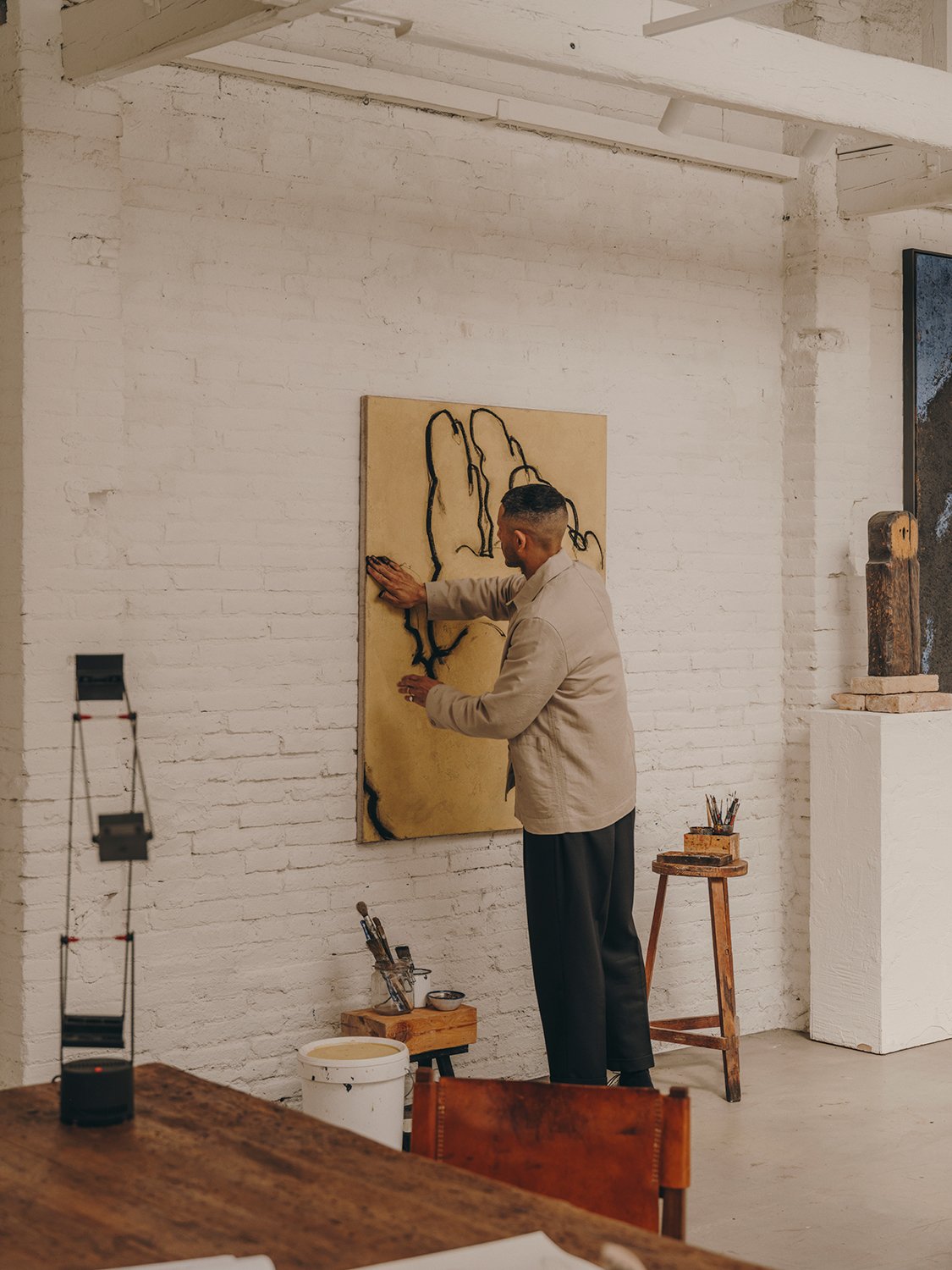
Located in a beautiful cobbled passageway in Barcelona’s Poblenou neighbourhood, Chidy Wayne’s studio workshop is a place of stillness: there’s barely a sound. Sunlight seeps into the central area of this industrial building, casting shadows and climatic shelters in functional areas, such as the office on the mezzanine level, the kitchen under the staircase and the bathroom. Isern Serra, the designer of this space, takes a step forward in his approach to creating workplaces that feel like home – or better. The result is a workshop that is as versatile, unconventional and full of charm as the art that comes to life within its walls.
Whether by fate or chance, just a few minutes before the photo shoot where he met Isern, Chidy came across the industrial building in Poblenou that would become his studio workshop. “We were waiting for Isern when I suddenly got a notification from Idealista [property website].” The rest, as they say, is history; a story infused with design, art and architecture whose narrative speaks of friendship, admiration and respect. This is how Chidy tells it: “The first thing Isern told me was that it was a joint project. I had a clear idea that I wanted a storage area, because I knew that I needed order to allow me to create and also to receive people. See these hidden drawers?” he asks as he points to the wall to the left: “They let me clear and put everything away, and create a clean space in just a few minutes. And when required, I put on my overalls and turn it into a war zone.” Isern explains: “It’s a workshop for an artist I admire and with whom there’s been a very strong connection. That was the challenge: to what extent should the design be an outstanding feature or an accompanying feature? I think we’ve found the right balance by letting the art and the artist make an impact.”
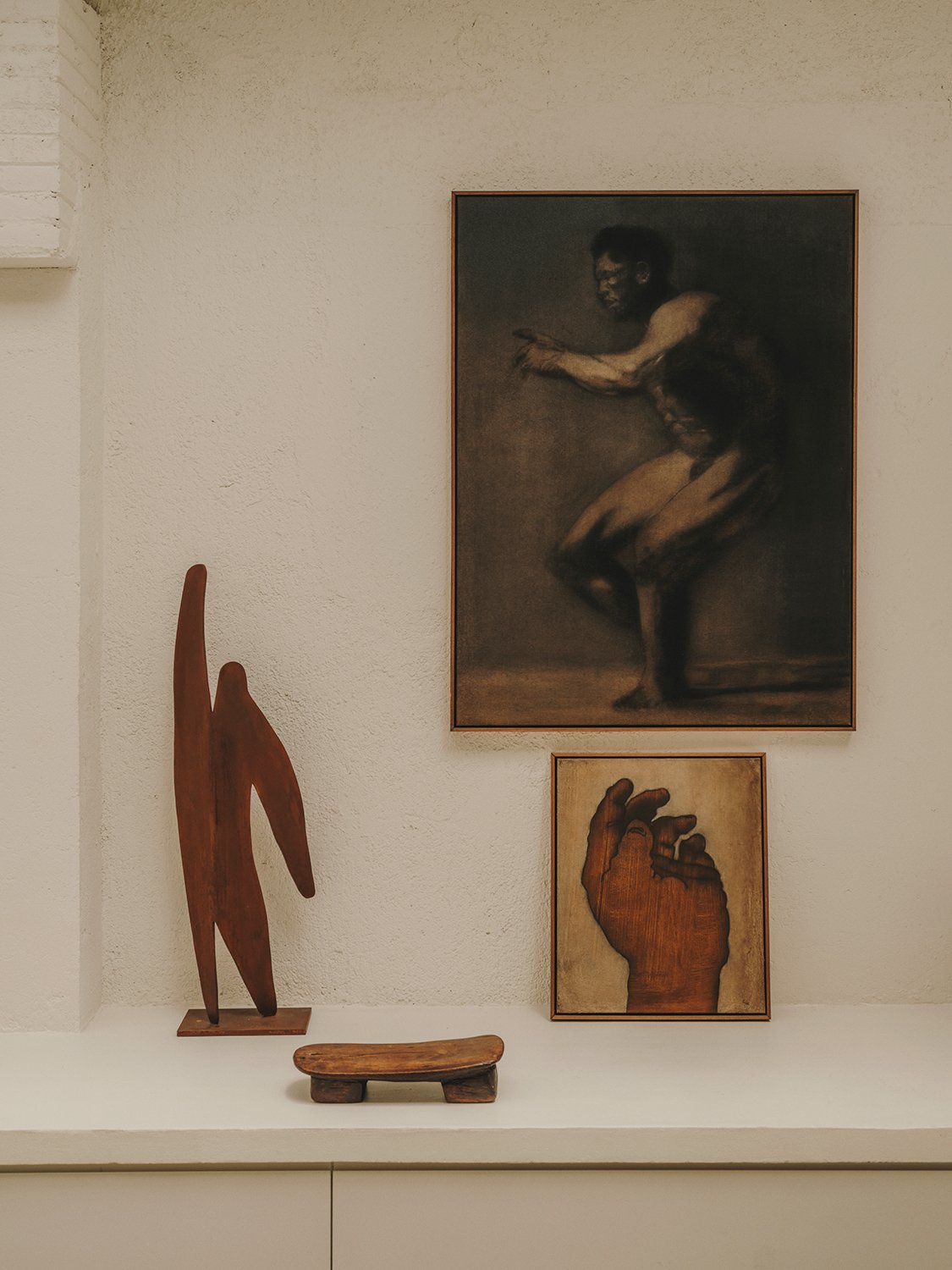
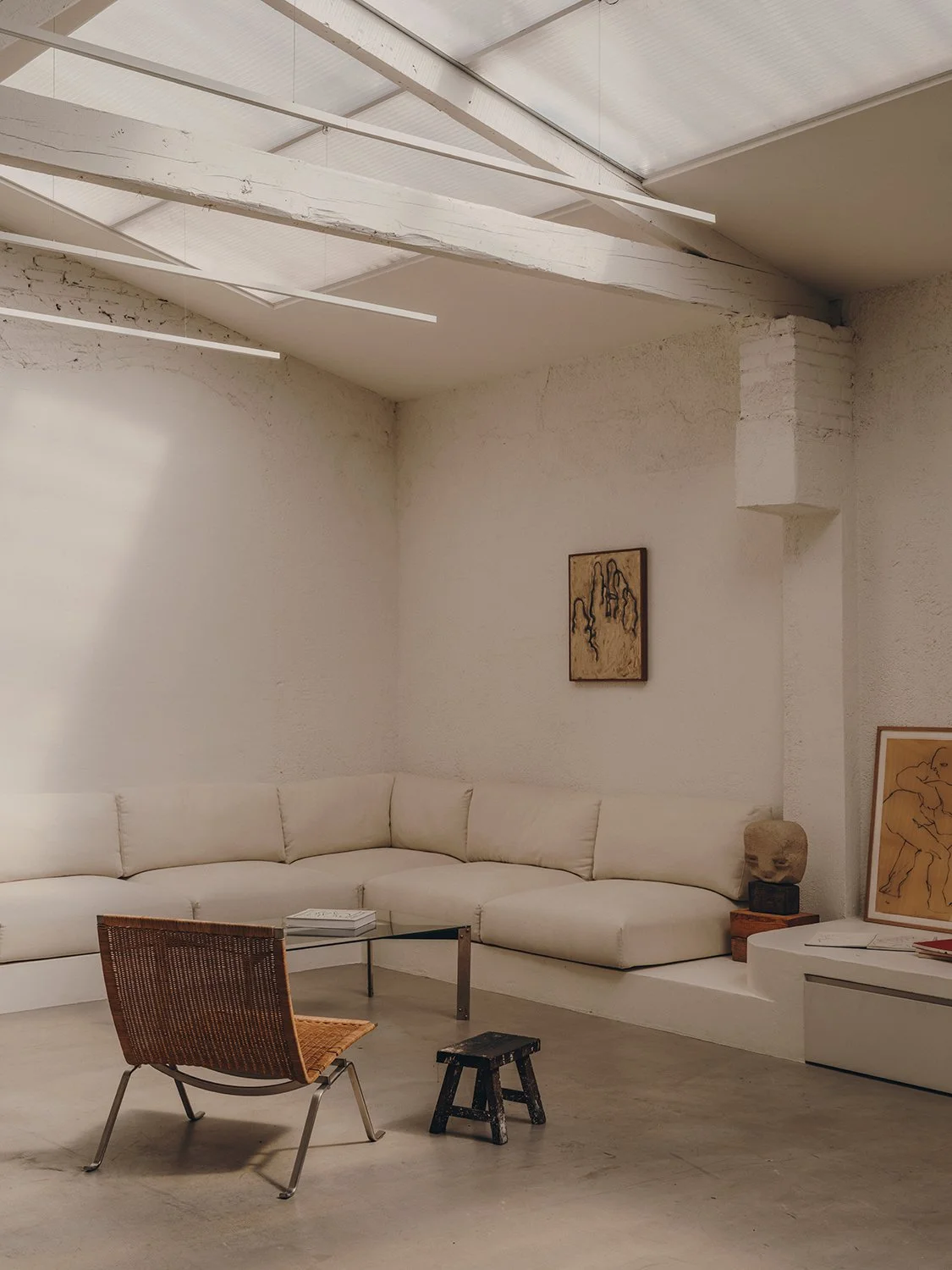
The imposing worktable where we are sitting is a clear reflection of this balance between past and future, between design and craft. “It was in my last studio, but it used to be a workbench that I’ve turned into a desk. I liked the symbolism of bringing something with me from there,” says Chidy. “I didn’t want it all to be new, because that would clash with the spirit of an artist’s studio, a space that gets messy. And it’s an important piece for me.”
“I really liked that this was part of the brief, that it was to be a place of creation for him and his work, but it was also to be a place where lots of things could happen”
After several years of being involved in exhibitions and commissions away from Barcelona, this new workshop has given Chidy the opportunity to intensify his work and connect in another way. “One of my goals was to be able to share my space in a different way. It’s something I am very proud of. Hosting dinners around a central table for between sixteen and twenty people is a very different way of sharing art. If I compare it to an exhibition, where I spend a minute or two with each person, it’s evident that I can speak at length here. I allow everyone to ask me all the questions they want and then let them investigate and gossip amongst themselves. That’s really nice.” Isern was enthusiastic about the idea: “I really liked that this was part of the brief, that it was to be a place of creation for him and his work, but it was also to be a place where lots of things could happen.”
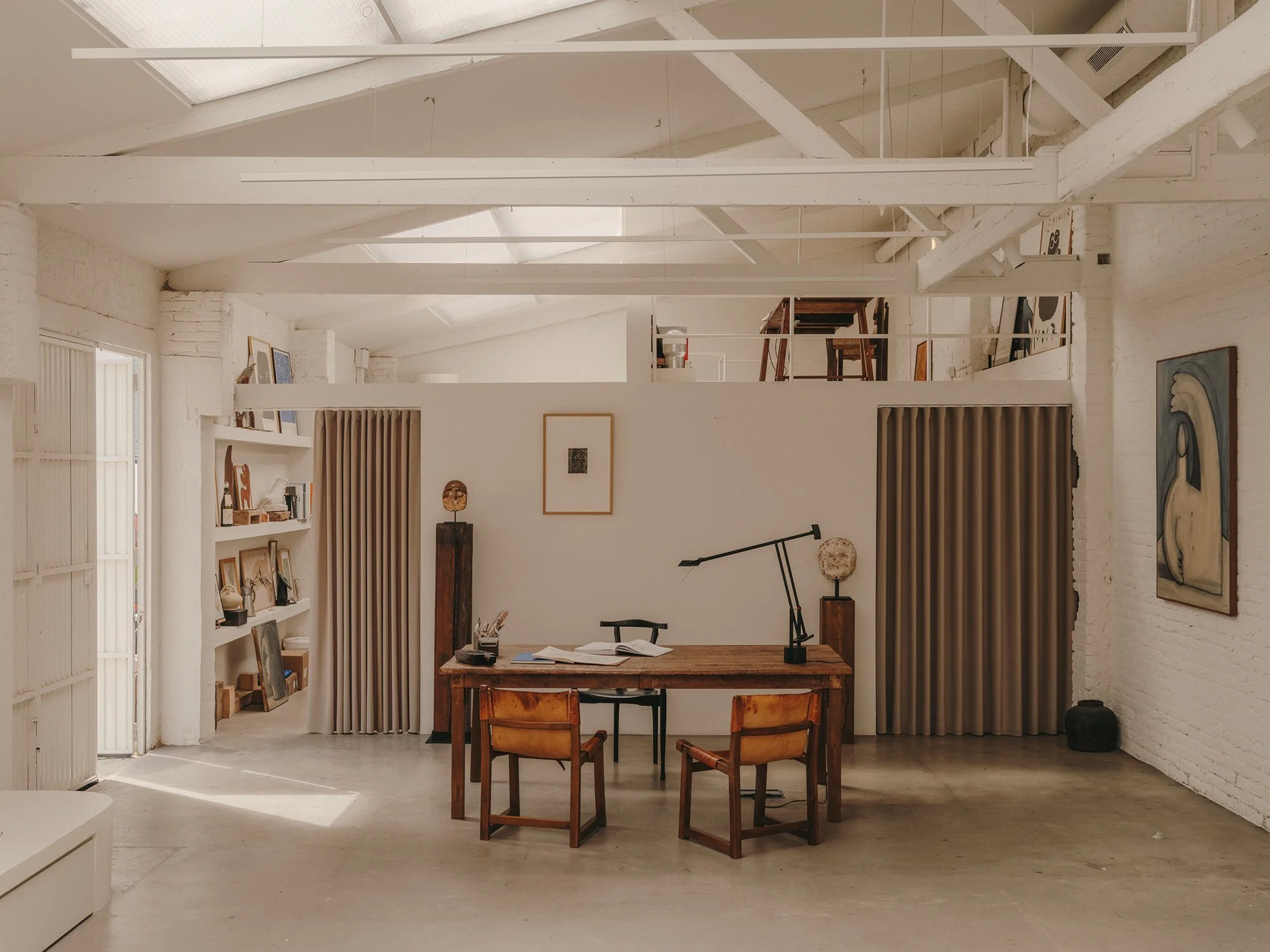
This space has transformed not only Chidy’s relationship with the public but also with his own artistic practice. “It has enabled me to take on larger formats, and it’s allowed me to start working with steel and to use the radial saw because I don’t bother anyone here. It’s like a blank canvas – there’s no better word for it – but much bigger. If something occurs to me, I can make it. And I don’t just have this space: there’s also the courtyard,” he explains.
For the artist, this workshop is like having a new partner to work with, one that makes him feel more focused. Light is the music they both dance to — and only it marks the passing of time. “I used to have a view over the street. I don’t know but do I have plenty of light. This is like a space without time, or where it stands still, where you are aware of time but you don’t hear any sirens. You’re at peace.”
Peter Zumthor once said that the atmosphere of a space is everything. In the case of this studio workshop, this energy was created by the complicity between the designer and the person who inhabits it.
-
-
Issue Nº24
October 2025
UN TALLER PARA EL ENCUENTRO, EL ARTE Y EL DISEÑO
CHIDY WAYNE & ISERN SERRA
CHIDY WAYNE E ISERN SERRA
Situado en un precioso pasaje adoquinado del barrio de Poblenou, en Barcelona, en el taller-estudio de Chidy Wayne apenas hay ruido. El sol se cuela en la zona central de esta nave industrial formando sombras y refugios climáticos en áreas funcionales como la oficina del altillo, la cocina bajo la escalera y el baño. Obra de Isern Serra, el diseñador da un paso más en su trazo como autor de lugares de trabajo donde sentirse como en casa —o mejor—. El resultado es un taller tan versátil, poco convencional y lleno de encanto como el arte que nace entre sus paredes.
Quizá fuera cosa del destino o quizá del azar. Pero apenas unos minutos antes de la sesión de fotos donde conoció a Isern, Chidy encontró la nave industrial de Poblenou en la que hoy tiene su taller-estudio. “Estábamos esperando a Isern y de repente me llega una notificación de Idealista”. El resto, como se suele decir, es historia: una historia con toques de diseño, arte y arquitectura cuya línea argumental habla de amistad, admiración y respeto. Así lo cuenta Chidy: “Lo primero que me dijo Isern es que se trataba de un proyecto de los dos. Yo tenía claro que quería una zona de almacenaje, porque sabía que necesitaba orden para poder crear y, además, recibir a gente. ¿Ves estos cajones ocultos?”, señala la pared a mi izquierda. “Me permiten poder liberarlo todo, guardarlo y crear un espacio limpio en pocos minutos. Y cuando hace falta, ponerse el mono de trabajo y que esto sea zona de guerra”. Isern se sincera: “Es un taller para un artista que admiro y con el que ha habido una conexión muy fuerte. Ese fue el reto: ¿hasta qué punto hacer que se note la marca del diseño o que sea algo que lo acompañe? Creo que hemos encontrado el equilibrio justo, donde la obra y el artista se lucen”.
La imponente mesa de trabajo donde nos hallamos sentados da buena cuenta de ese balance entre pasado y futuro, entre diseño y oficio. “Estaba en el otro estudio pero era un banco de trabajo que he convertido en escritorio. Me gustaba la idea simbólica de traerme algo de allí”, dice Chidy. “No quería que fuese todo nuevo, porque entonces rechinaba con el espíritu del taller de un artista que ensucia”. Y es una pieza importante para mí.
“Me gustaba mucho que esto fuera parte del briefing. Que fuese un lugar de creación para él y su obra, pero que también pasasen muchas cosas.”
Después de varios años involucrado en exposiciones y trabajos fuera de Barcelona, este nuevo taller le ha dado a Chidy la oportunidad de profundizar en su obra y conectar de otra manera. “Uno de los propósitos era poder compartir mi espacio de otra forma. Es algo de lo que estoy muy orgulloso. Hacer cenas en una mesa central y reunir entre dieciséis y veinte personas es una manera muy distinta de compartir el arte. Si lo comparo con una exposición, donde estoy un minuto o dos con cada persona, veo que aquí me explayo. Permito que me pregunten todo lo que quieran y dejo que investiguen, que vayan cotilleando. Eso es muy chulo”. A Isern le entusiasmaba la idea: “Me gustaba mucho que esto fuera parte del briefing. Que fuese un lugar de creación para él y su obra, pero que también pasasen muchas cosas”.
Este espacio ha transformado no solo la relación de Chidy con el público sino también con su propia práctica artística. “Me ha permitido hacer formatos más grandes y he podido empezar a trabajar el acero y usar la radial porque aquí no molesto a nadie. Es como un lienzo en blanco —nunca mejor dicho— pero mucho más grande. Si algo se me ocurre, puedo hacerlo. Y no solo tengo este espacio: también está el patio”, resume.
Para el artista, este taller es como un nuevo compañero de trabajo donde se siente más enfocado. La luz es la música que ambos bailan y solo ella señala el paso de las horas: “Antes tenía vistas a la calle. Ahora no, pero tengo mucha luz. Es como un espacio atemporal, un poco suspendido, en el que eres consciente del tiempo pero no escuchas sirenas. Estás en paz”.
Peter Zumthor dijo que la atmósfera de un espacio lo es todo. En el caso de este taller-estudio, esa energía nace de la complicidad de quien lo diseña y quien lo habita.
-
-
issue Nº24
Octubre 2025
OPENHOUSE ISSUE NO. 24 EDITOR’S LETTER
THE MATTER OF THE ETERNAL
THE MATTER OF THE ETERNAL
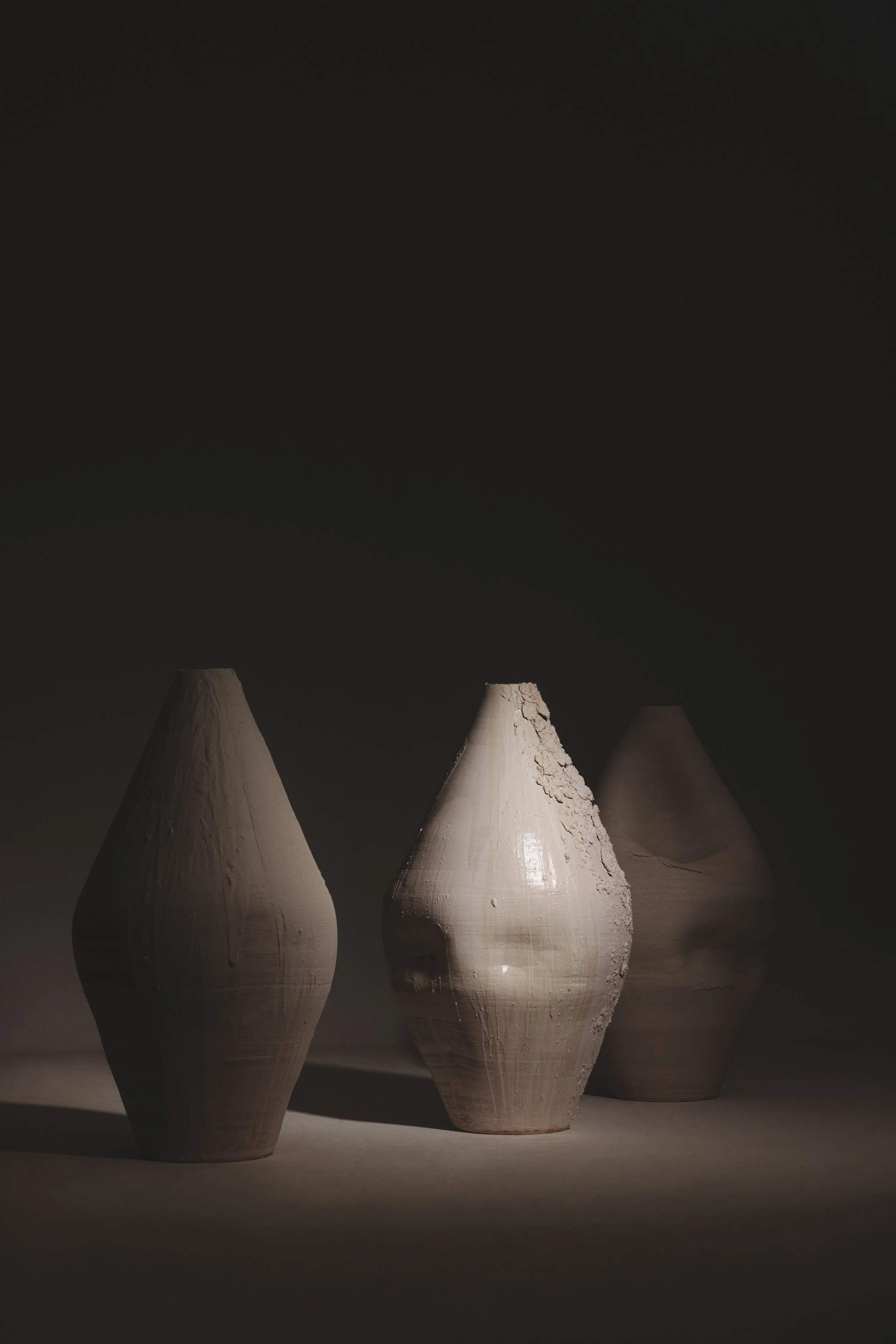
We are all matter. And matter, by its very nature, does not disappear; it transforms and reshapes itself, taking on new forms that are sometimes barely perceptible. This is something we sense as we walk along a cobbled street in Rome. The stones beneath our feet harbour more than just the present; they carry centuries of human history, dust and desire, wars and art. Each stone has a hidden story, yet we tread on them casually, almost without thinking. Perhaps it is because deep down, we know that they were there before us, and they will remain long after we are gone.
In English, "matter" can refer to both physical substance as well as to what is truly significant. At the heart of this dual meaning lies something essential: matter not only shapes us as individuals, but also as a community. For centuries we have tried to transcend matter by searching for the invisible through religion, through astrology and thought. Yet it is within matter itself that our truest expression resides: in art, which brings us face to face with emotions such as love, fear, longing and pain. All that we cannot hold in our hands captures us from within.
The echo of the past feels louder today: Think of the Greece as seen by Carla Cascales; Luca Guadagnino's intimate take on Rome; the whispering marbles of Villa Medici; and the cornices of Villa Caffetto. These are the signs of a time when it is no longer the “new” that seduces us, but the certainty of what is well made. A quiet, steady return to the essential, to techniques that never needed to be labelled as sustainable because they stemmed from the hands of craftspeople, and have endured.
In this issue, we pay tribute to that eternal matter. Chidy Wayne welcomes us to his new workspace in Barcelona, where he has devoted himself to developing an artistic language, one that has brought him worldwide recognition, including at Frieze London (taking place as I write these words). Carla Cascales Alimbau takes us back to the beginning, to Hydra, with pieces that are rooted in dialogue. Yoyo Balagué shows us how she creates a corporeal, almost performative art at her atelier on the Costa Brava. And Oliver Gustav opens the doors to his intimate universe, sharing the matter that makes him come alive and with which he shapes his very own world.
Ultimately, that is what we are: matter that feels, remembers, changes and creates. This issue is an invitation to explore that shared matter – our common ground, and our way forward.
OPENHOUSE ISSUE No. 24 CARTA DEL EDITOR
THE MATTER OF THE ETERNAL
THE MATTER OF THE ETERNAL
We are all matter. And matter, by its very nature, does not disappear; it transforms and reshapes itself, taking on new forms that are sometimes barely perceptible. This is something we sense as we walk along a cobbled street in Rome. The stones beneath our feet harbour more than just the present; they carry centuries of human history, dust and desire, wars and art. Each stone has a hidden story, yet we tread on them casually, almost without thinking. Perhaps it is because deep down, we know that they were there before us, and they will remain long after we are gone.
In English, "matter" can refer to both physical substance as well as to what is truly significant. At the heart of this dual meaning lies something essential: matter not only shapes us as individuals, but also as a community. For centuries we have tried to transcend matter by searching for the invisible through religion, through astrology and thought. Yet it is within matter itself that our truest expression resides: in art, which brings us face to face with emotions such as love, fear, longing and pain. All that we cannot hold in our hands captures us from within.
The echo of the past feels louder today: Think of the Greece as seen by Carla Cascales; Luca Guadagnino's intimate take on Rome; the whispering marbles of Villa Medici; and the cornices of Villa Caffetto. These are the signs of a time when it is no longer the “new” that seduces us, but the certainty of what is well made. A quiet, steady return to the essential, to techniques that never needed to be labelled as sustainable because they stemmed from the hands of craftspeople, and have endured.
In this issue, we pay tribute to that eternal matter. Chidy Wayne welcomes us to his new workspace in Barcelona, where he has devoted himself to developing an artistic language, one that has brought him worldwide recognition, including at Frieze London (taking place as I write these words). Carla Cascales Alimbau takes us back to the beginning, to Hydra, with pieces that are rooted in dialogue. Yoyo Balagué shows us how she creates a corporeal, almost performative art at her atelier on the Costa Brava. And Oliver Gustav opens the doors to his intimate universe, sharing the matter that makes him come alive and with which he shapes his very own world.
Ultimately, that is what we are: matter that feels, remembers, changes and creates. This issue is an invitation to explore that shared matter – our common ground, and our way forward.
RASTROS FUGACES DE HUMO SOBRE EL CIELO DE TOKIO
YOSIGO
YOSIGO
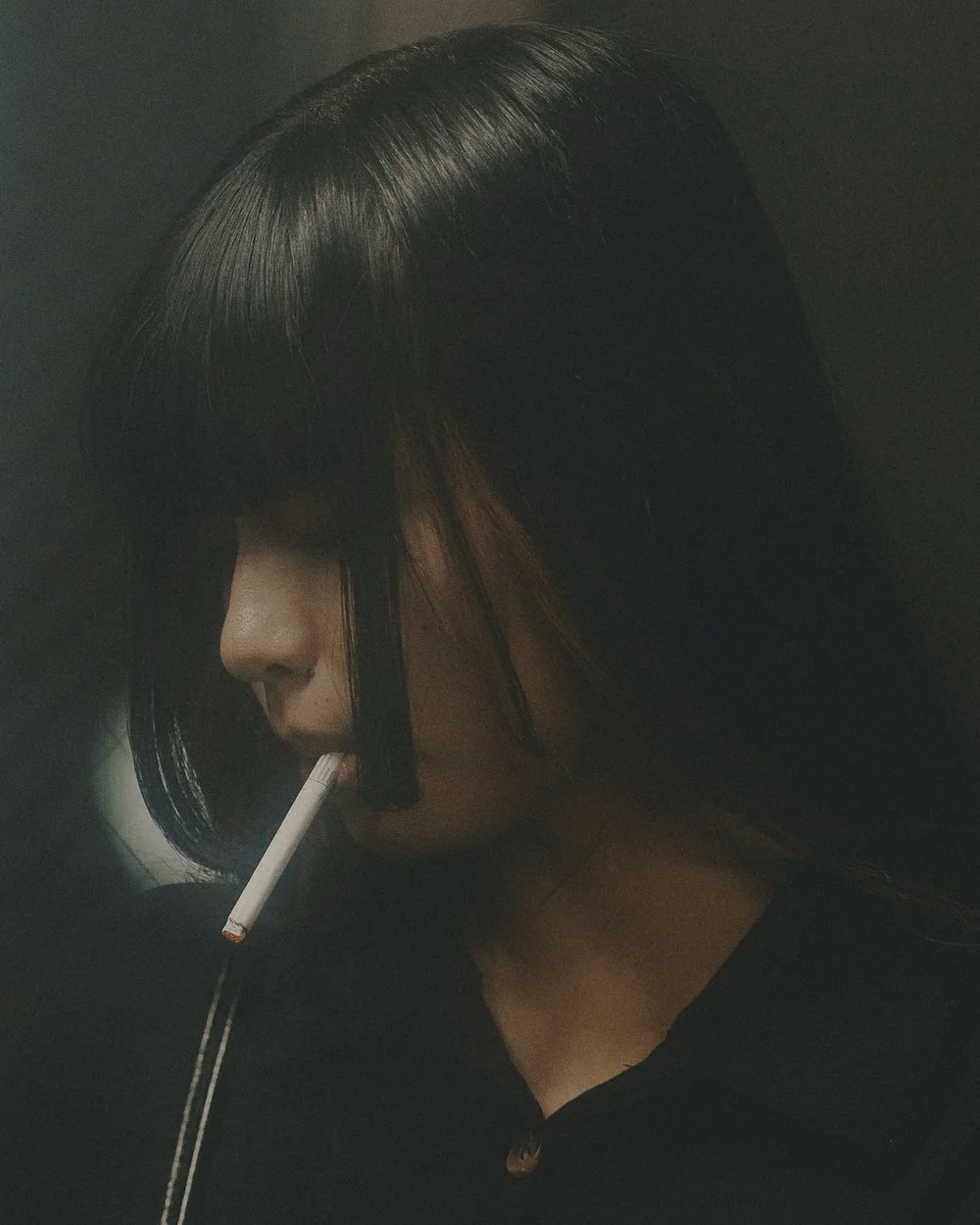
Quienes siguen a Yosigo desde hace tiempo en redes sociales saben bien que el humor es el prisma a través del cual interpreta el mundo para traducirlo a su manera. Por eso, para Jose Javier Serrano (Donostia, 1981), todo lo que está ocurriendo en su vida no deja de ser una fuente de asombro y mucha diversión. Eso que le está ocurriendo no es otra cosa que haberse convertido en un artista más que reconocido en Asia, firmando autógrafos y cerrando un contrato de varios años con una empresa coreana que parece creer en su trabajo casi más que él mismo.
Mientras hablamos, a finales de 2024, sus fotografías se exponen en Shibuya y ya tiene fecha para una muestra en primavera. Desde Tokio, donde se ha instalado por un tiempo, me cuenta que este éxito lo ha tomado por sorpresa. Aunque al terminar nuestra conversación no puedo evitar pensar que, si el destino existe, tenía esto reservado para él. Cada paso que ha dado, ya sea de esos que lo llenan de orgullo o de los que prefiere no recordar, parece haberlo encaminado de forma inescrutable hacia este momento.
El brillo en sus ojos mientras confiesa haberse quedado prendado de Japón es perceptible incluso a través de la pantalla. Desde mi escritorio en Barcelona, resulta difícil no contagiarme de su entusiasmo. «Estuve hace muy poco por primera vez y estoy enamorado, así que esta vez voy a aguantar todo lo que pueda», resume.
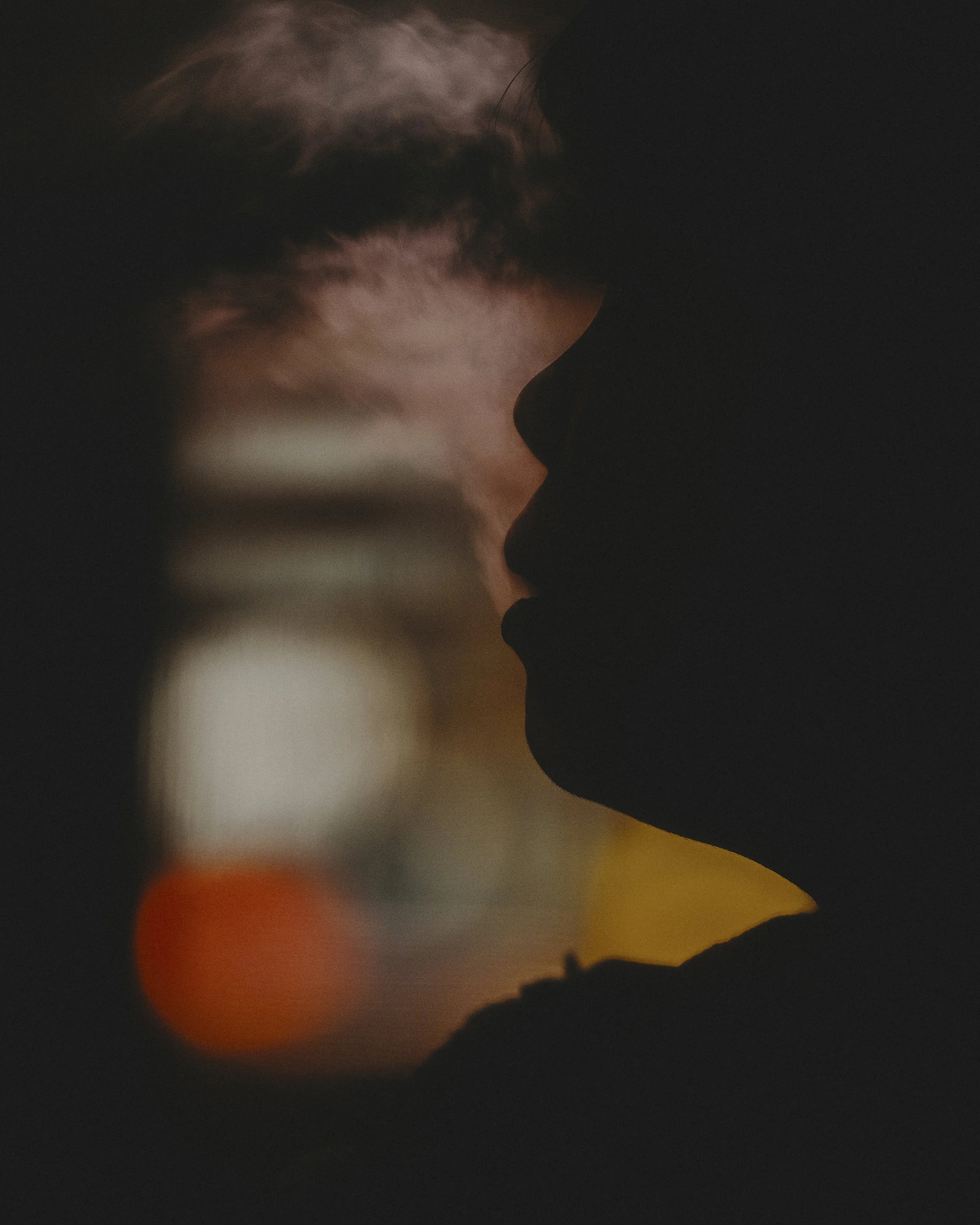
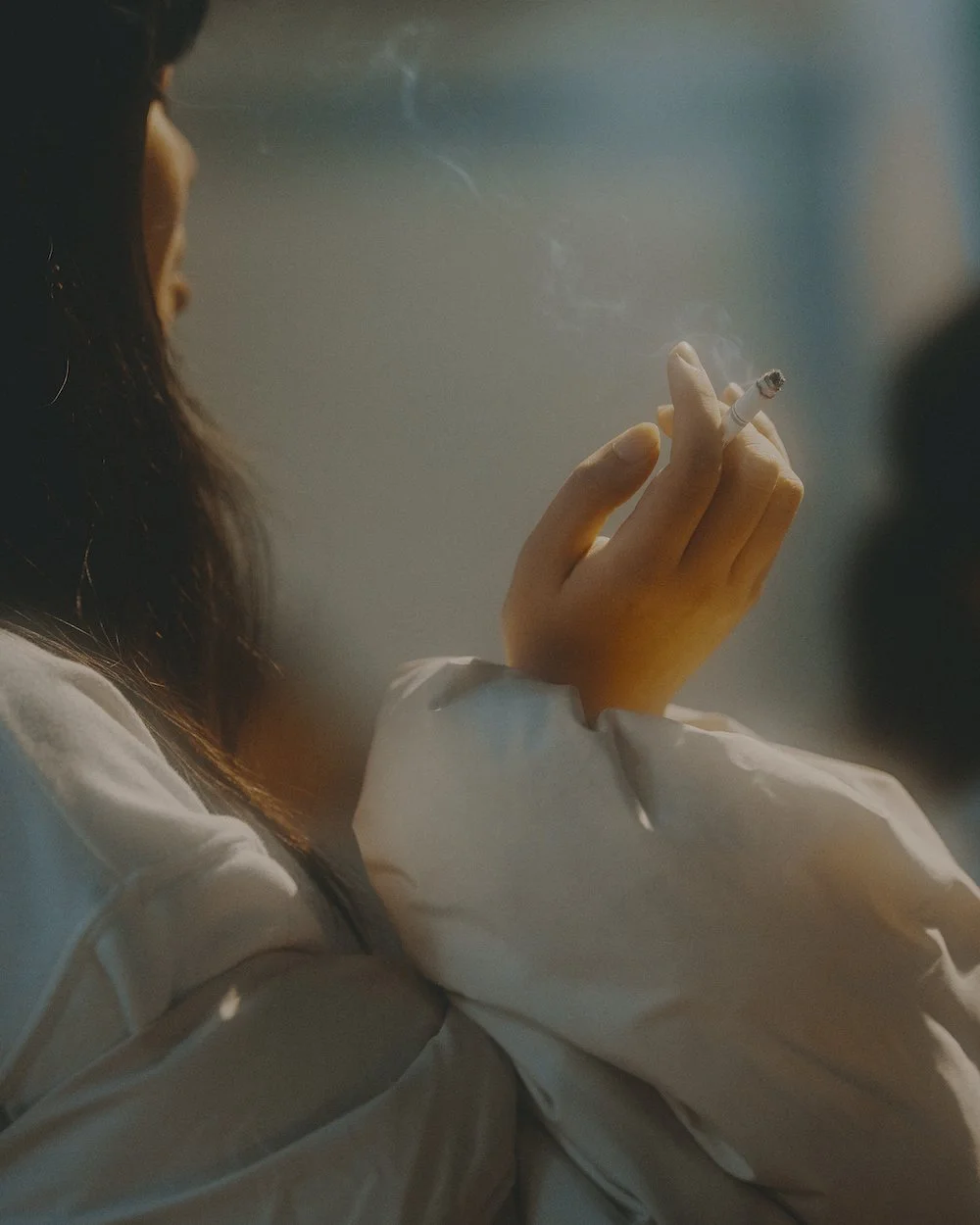
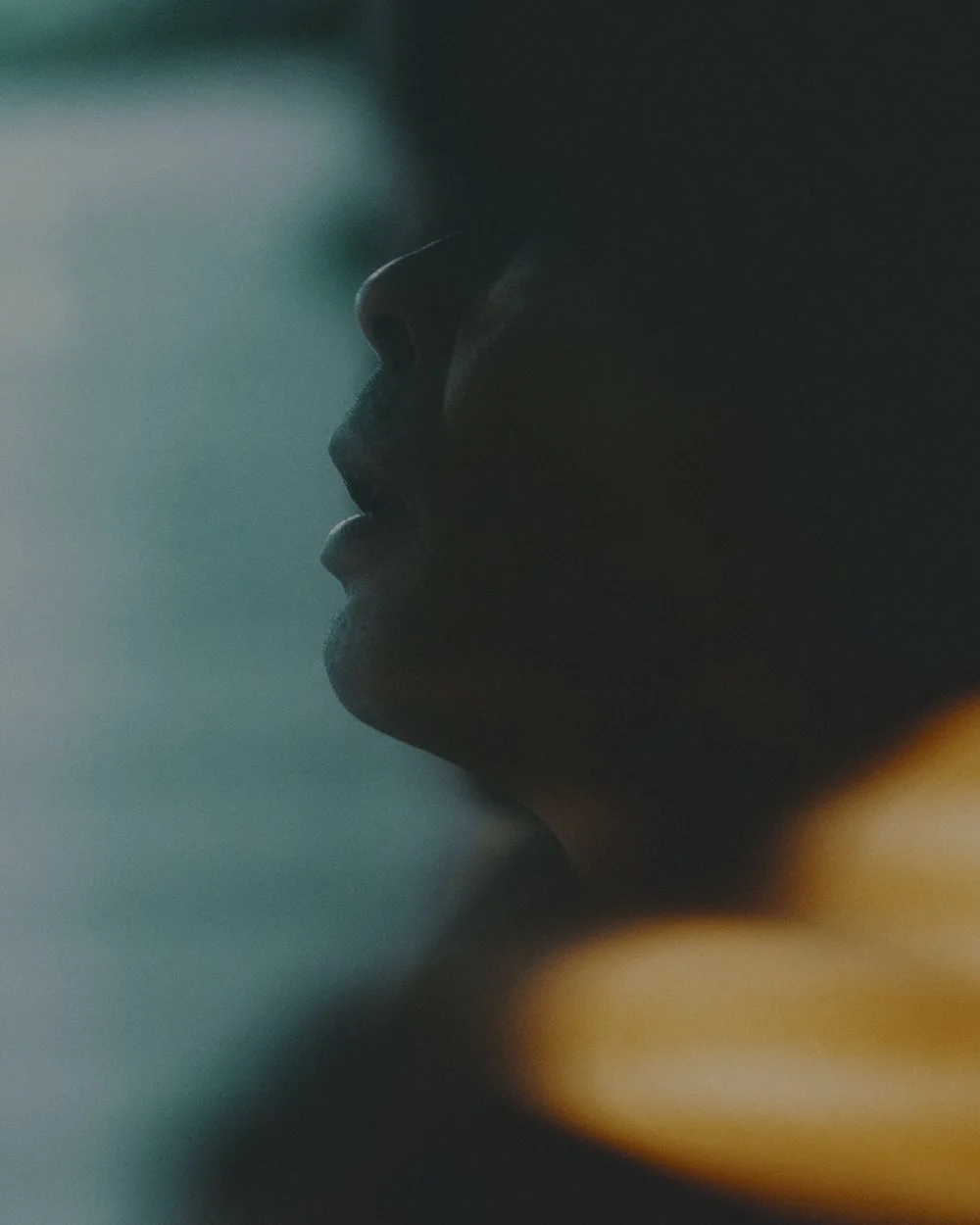
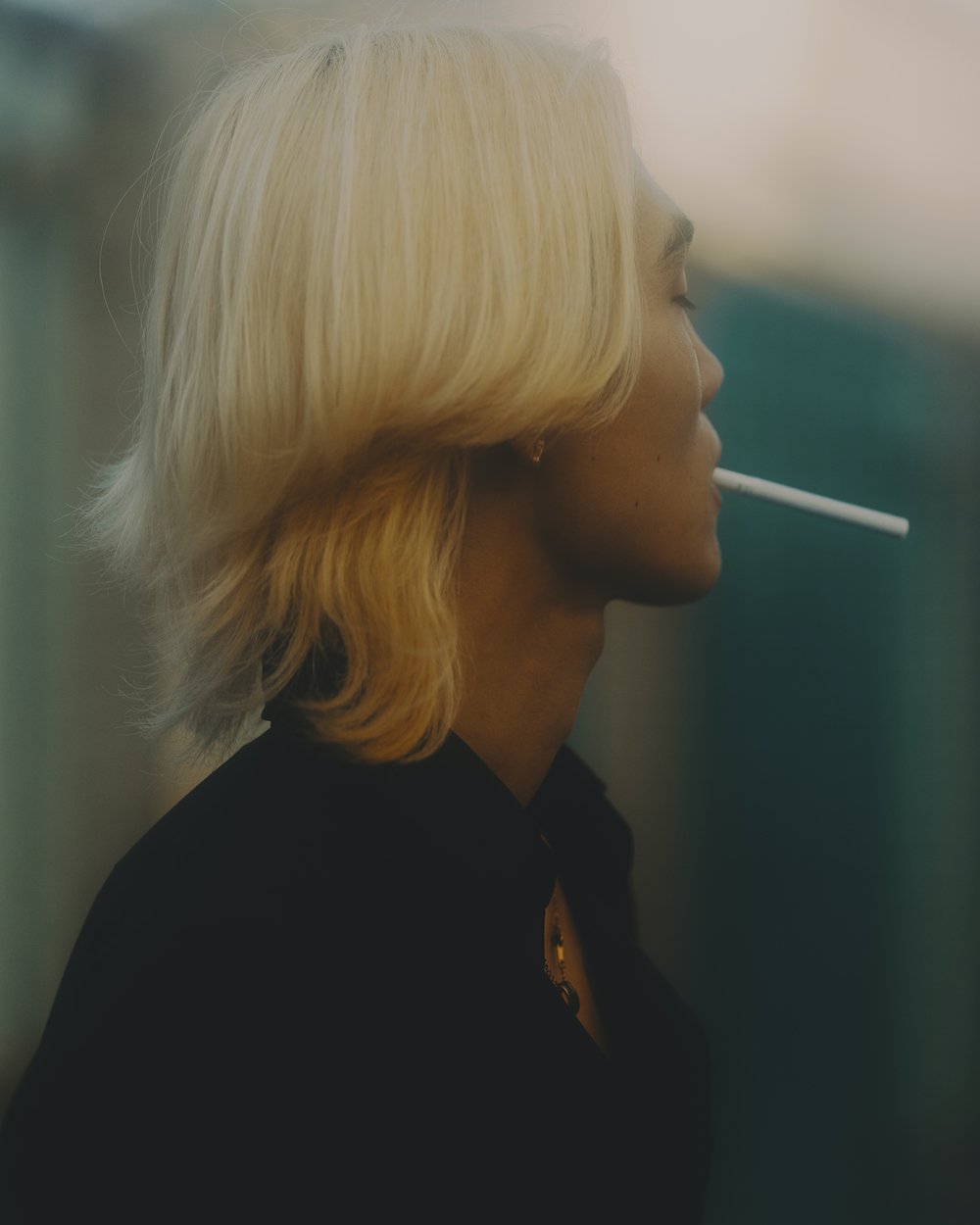
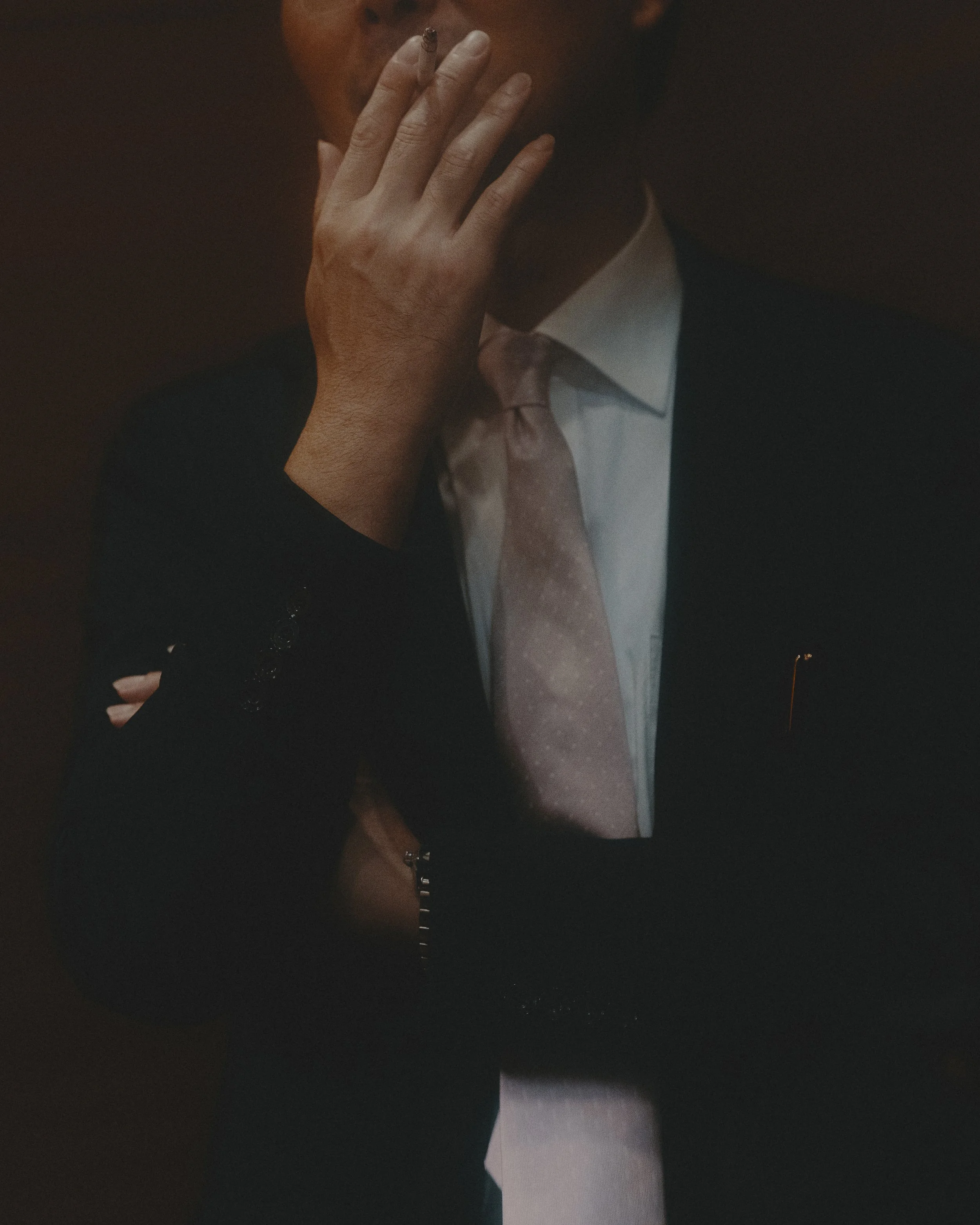
La cámara de Yosigo nunca deja de disparar, tan ávida de imágenes como su propia mente, que ya está definiendo lo que se convertirá en su próximo proyecto: una reflexión acerca del tabaco en la sociedad nipona. «En Tokio no se puede fumar en la calle. Hay una especie de mapa de la ciudad con las zonas en las que sí está permitido. Cada noche fumo millones de cigarros en esas zonas porque quiero que sea una serie nocturna, así que saco las fotos y me voy a dormir». Algunas de esas fotografías las ha ido publicando en Instagram, pero la red social las ha eliminado. «Eso me ha hecho mucha gracia. Ahora me motiva más el proyecto. Que haya una especie de censura en torno a esto me parece curioso».
“Paso el día con mucha gente, con coreanos, chinos o japoneses, en reuniones donde tampoco termino de entender qué está pasando. Tiene un punto cómico, pero no tengo a nadie que hable mi idioma con quien sentarme y decir: ‘Chicos, esto es la hostia’”
Diseñador gráfico de profesión, fue a través de la creación de catálogos como se dio cuenta de que le gustaba más la fotografía que el diseño. No obstante, los libros siguen siendo una obsesión, lo que lo lleva a desplegar su trabajo en diferentes series que acaban plasmadas en distintos volúmenes editoriales. «Para mí, los libros son series fotográficas de ideas. Es una manera de tangibilizar un proyecto». Uno de los momentos clave del giro de su trabajo desde el diseño hacia la fotografía sucedió en 2003, cuando conoció a Salva López y comenzaron a compartir apartamento en Barcelona. «Salva tenía muchos trabajos y comenzó a pasarme algunos de ellos. Me acompañó en el proceso de adentrarme en la fotografía comercial. También fue muy importante en lo personal».
Pero si hay un año en que su carrera dio un vuelco, ese fue 2020 cuando, un día cualquiera, recibió un correo en su bandeja de entrada: “Somos una empresa coreana, queremos hacer una exposición”. «Me enviaron un proyecto muy desarrollado y me embarqué en eso sin saber muy bien lo que estaba pasando. Montaron la exposición justo cuando volvió la segunda ola del Covid. En Corea cerraron todo menos los museos. El proyecto fue creciendo y yo lo viví todo online. Fue algo muy bizarro, muy bonito». Después, la muestra viajó a Busan, otra ciudad de Corea, y esta vez sí consiguió asistir. «De repente, estaba firmando autógrafos. Era todo muy loco».
Su día a día en Tokio es sencillo, entre disfrute y trabajo, fotografiando todo lo que lo rodea, extasiado por la belleza inherente a la cultura japonesa: «Aquí, cualquier esquina es maravillosa. No sé si es que estoy enamorado, pero todo me parece precioso». Aunque se lamenta de no poder compartir con amigos las situaciones, cuanto menos curiosas, que conforman su cotidianidad. «Paso el día con mucha gente, con coreanos, chinos o japoneses, en reuniones donde tampoco termino de entender qué está pasando. Tiene un punto cómico, pero no tengo a nadie que hable mi idioma con quien sentarme y decir: ‘Chicos, esto es la hostia’». Me lo imagino actuando con esa mezcla de humor sarcástico y gratitud de Bill Murray en Lost in Translation mientras sigue redefiniendo su visión del mundo, cámara en mano, con la misma mezcla de curiosidad y humor que lo llevó a donde está hoy.
-
Issue Nº23
-
FADING ECHOES OF SMOKE OVER TOKIO SKY
YOSIGO
YOSIGO
Those who have been following Yosigo on social media for a while know that humor is the prism through which he interprets the world to translate it in his own way. That is why, for Jose Javier Serrano (Donostia, 1981), everything happening in his life right now is a constant source of amazement and great fun. That “everything happening” is none other than becoming a widely recognized artist in Asia—signing autographs and landing a multi-year contract with a Korean company that seems to believe in his work even more than he does.
As we speak, in late 2024, his photographs are on display in Shibuya, and he already has a date for an exhibition in the spring. From Tokyo, where he has settled for a while, he tells me this success has taken him completely by surprise. Yet, by the end of our conversation, I cannot help but think that if destiny exists, it had this planned for him all along. Every step he has taken—whether one that fills him with pride or one he would rather not remember—seems to have led him, in an inexplicable way, to this very moment.
The sparkle in his eyes as he admits he has fallen in love with Japan is noticeable even through the screen. From my desk in Barcelona, it is hard not to catch his enthusiasm. “I visited very recently for the first time, and I am in love, so this time I am staying as long as I can,” he sums up.
“I spend my days with so many people—Koreans, Chinese, or Japanese—in meetings where I do not really understand what is going on. It is kind of funny, but I do not have anyone who speaks my language to sit with and say, ‘Guys, this is wild.”
Yosigo’s camera never stops shooting, as hungry for images as his own mind, which is already shaping what will become his next project: a reflection on tobacco in Japanese society. “In Tokyo, you cannot smoke on the street. There is this kind of map of the city that shows the zones where it is allowed. Every night, I smoke a million cigarettes in those spots because I want this to be a nocturnal series, so I take the photos and then head to bed.” He has shared some of those photos on Instagram, but the platform has taken them down. “I found that hilarious. Now the project motivates me even more. The fact that there is this sort of censorship around it seems curious to me.”
A graphic designer by trade, it was through creating catalogs that he realized he liked photography more than design. Nonetheless, books remain an obsession, which drives him to spread his work across different series that eventually materialize into various published volumes. “For me, books are photographic series of ideas. They are a way to give a project tangible form.” A key moment in his shift from design to photography came in 2003, when he met Salva López, and they started sharing an apartment in Barcelona. “Salva had a lot of jobs and began passing some of them my way. He guided me through the process of getting into commercial photography. He was also hugely important to me on a personal level.”
But if there is one year that changed everything for his career, it was 2020, when, on an ordinary day, an email landed in his inbox: “We are a Korean company. We would like to do an exhibition.” “They sent me a very developed project, and I jumped into it without really knowing what was going on. They set up the exhibition just as the second wave of Covid hit. In Korea, they shut everything down except for museums. The project kept growing, and I experienced it all online. It was surreal, and beautiful.” Later, the exhibition traveled to Busan, another city in Korea, and this time he managed to attend. “Suddenly, I was signing autographs. It was all very crazy.”
His day-to-day life in Tokyo is simple, a mix of enjoyment and work, photographing everything around him, intoxicated by the inherent beauty of Japanese culture: “Here, the corner of any doorway is stunning. I do not know if it is because I am in love, but everything looks beautiful to me.” Yet he laments not being able to share with friends the often curious situations that make up his daily life. “I spend my days with so many people—Koreans, Chinese, or Japanese—in meetings where I do not really understand what is going on. It is kind of funny, but I do not have anyone who speaks my language to sit with and say, ‘Guys, this is wild.’” I imagine him moving through it all with that mix of sardonic humor and gratitude, like Bill Murray in Lost in Translation, as he continues to redefine his view of the world, camera in hand, with the same blend of curiosity and humor that brought him to where he is today.
-
Issue Nº23
-
Yosigo
OPENHOUSE No. 23 EDITOR’S LETTER
THE SECRET IN THEIR EYES
THE SECRET IN THEIR IN THEIR EYES
“How can one live a life full of nothing?” This question from The Secret in Their Eyes, the Oscar winning film from 2009, strikes me every time I watch it. Filmmakers say a movie isn’t truly seen until it’s watched at least twice. The same happens with books, cities, and people. A first encounter barely scratches the surface; only with time does the gaze refine itself and discover what was once hidden. Not just because new nuances emerge, but because we ourselves change.
Perhaps that is the essence of life: the insatiable curiosity, the desire to unravel the hidden, to rediscover what we thought we already knew. And yet, we cling to the familiar, walking the same paths as if we fear getting lost in the unknown. For the past few weeks, the secret of my eyes has directed my gaze elsewhere. The corner of my eye moves away from these lines, distancing itself from the paper and the edition you hold in your hands. Sometimes, we must step back to see something in all its splendor and reveal a new facet at every sight.
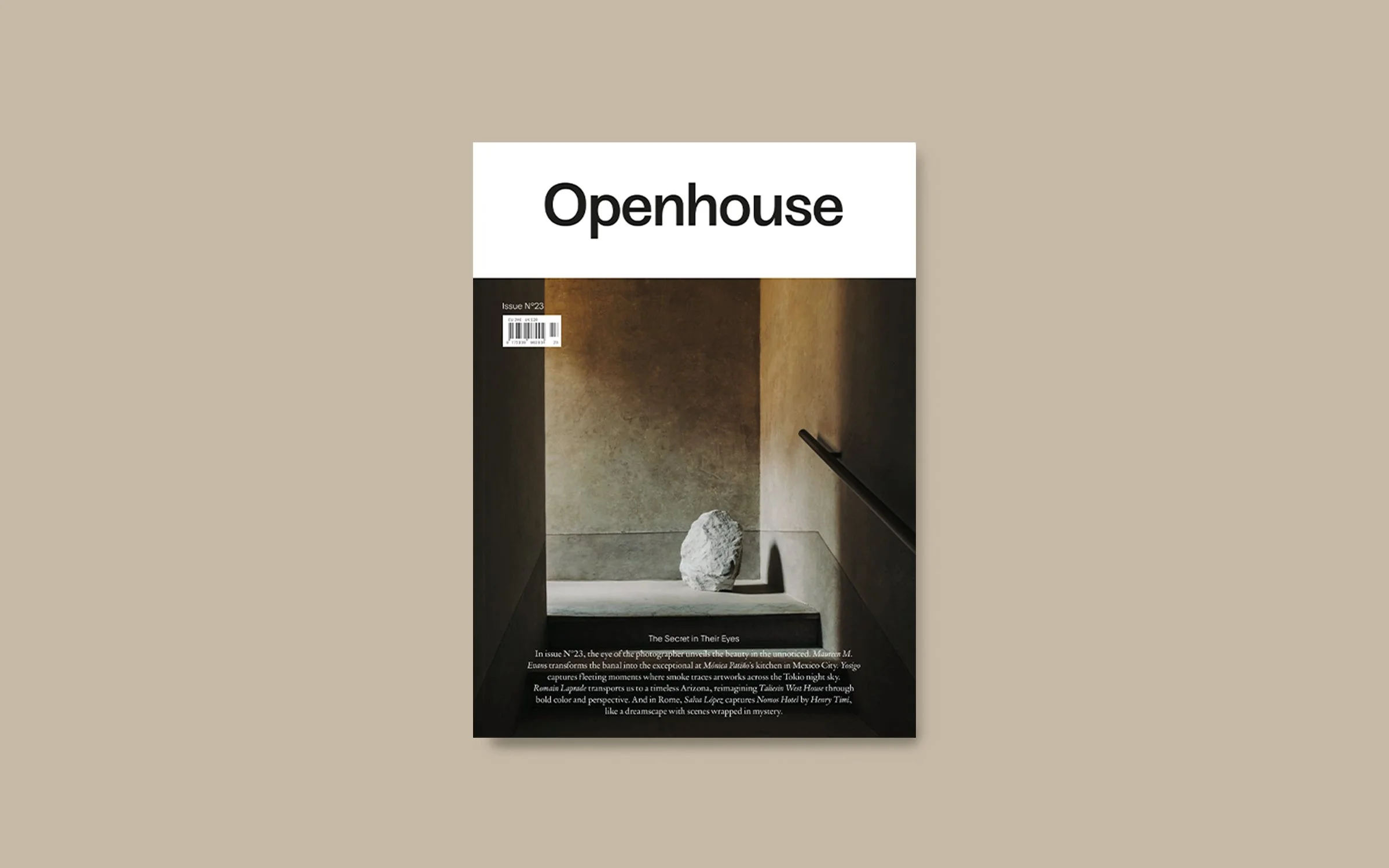
In the photographs by Maureen M. Evans, of Chef Mónica Patiño at Casa Virginia, the banal becomes exceptional, and the exceptional becomes tangible. In Japan, Yosigo captures fragments of life—ephemeral moments in the night, drifting to the rhythm of cigarette smoke as it sketches his unique artistic vision across the Tokyo sky.
The gaze has the power to reinvent the world. Some see beauty in the unnoticed, some capture the fleeting and turn it into a story. The image doesn’t hide; it reveals; it doesn’t describe; it transforms. Many photographers teach us this lesson every day: creators who, through the lens, take us by the hand and lead us into a universe where color and perspective create landscapes that verge on dreams, where the real dresses itself in fable, and architecture becomes the stage for a new story. Through their viewfinders, the routine takes on texture, and the moment becomes eternal.
Under a blinding sun, Romain Laprade transports us to one Arizona that seems frozen in another time, a fantasy embodied in the sumptuous forms of Taliesin West House, brought to life through his bold use of color and perspective. Whereas in Todos Santos, Luis Garvan unveils VIPP’s new house like a dreamscape, where memories blur and images are wrapped in mystery. There are gazes that invite us to pause in the ordinary, that don’t just capture the world, but reinvent it. They invite us to look twice, to discover what has always been there, waiting to be seen.
Editorial en vivo por Charlotte Taylor
ORDEN, JUEGO Y CAOS
-
Entrevista a Charlotte Taylor para Openhouse magazine Nº20.
-
Texto deInma Buendia inmabuendia.com
Fotos de Enric Badrinas enricbadrinas.com
Side Gallery side-gallery.com
Charlotte Taylor @charlottetaylr
-
ORDEN, JUEGO Y CAOS
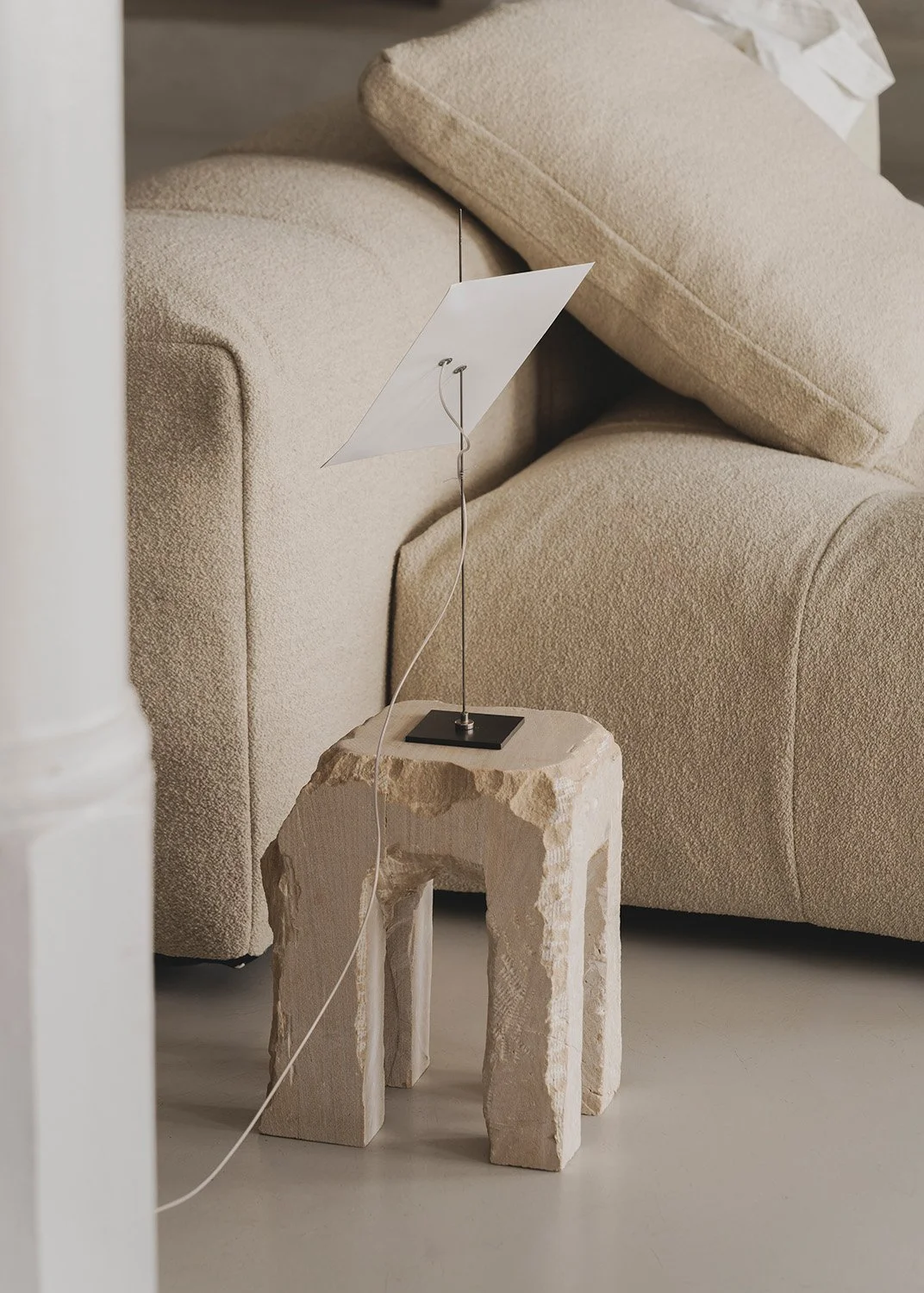
Un inmenso espacio sin apenas paredes, rodeado de ventanas, cuyos suelos y techos poseen un solo color, aparece en escena. Resulta difícil adivinar su uso: ¿es una casa, es una oficina, es una galería o todo ello al mismo tiempo? La mirada va poco a poco distinguiendo los detalles. Hay una mesa vestida para quizá recibir invitados y una cama deshecha con un ordenador portátil sobre ella. Unos pasatiempos sobre un escritorio, una pequeña mesa sobre la que descansa un ajedrez, y varios objetos utilitarios como sillas, ceniceros o copas con gran atractivo escultórico, que bien podrían ser expuestos en un museo.
Se trata de la primera ‘live editorial’ de Openhouse. Una instalación de la mano de Charlotte Taylor que reinterpreta aquello que llamamos hogar en un imponente escenario, Side Gallery. Un artefacto contemporáneo en sus formas pero clásico en su propósito: la conservación y disposición de registros históricos relacionados con el diseño latinoamericano del siglo pasado. La majestuosa obra llevada a cabo por Guillermo Santomá en los 700 metros cuadrados de esta galería de Barcelona tan sólo se reviste de hormigón. Este material sirve para unificar tan vasto espacio en una sola pieza formal y funcional. Un cuerpo de trabajo sobre el que Luis Sendino, comisario y fundador de la galería, alterna tradición y vanguardia en una melancólica aproximación al pasado que invita a soñar con posibles futuros.
En esa suerte de paréntesis temporal se halla la propuesta creativa de Charlotte Taylor. Ajena al ruido estético a su alrededor, su mesa de trabajo es el inagotable archivo de imágenes que la diseñadora cataloga en su mente creando sinergias entre arte y cotidianeidad, entre orden y caos. Orbitar en el mismo espacio que Charlotte es dejarse imbuir por el calmado –que no dócil– carácter que transmite a cada paso. Un talante del que nacen ambientes sofisticados, vivaces y con un gran sentido del humor. Charlotte es la primera artista que, de la mano de talentosos creadores de todas partes del mundo, ha desarrollado la editorial en vivo que inaugura una nueva forma de expresión para Openhouse.


¿Cómo incorporaste tus gustos y preferencias con los de Openhouse y Side Gallery en la ‘live editorial’?
Ya existía una sinergia entre Openhouse, Side Gallery y mi estilo personal, así que el resultado fue más un collage de superposición de algunos de mis gustos más específicos sobre una paleta que siento familiar. Las camas deshechas tipo sudoku y las camisas a rayas son definitivamente una firma mía que aporta un poco de desorden.
¿Qué parte del proyecto disfrutaste más?
Ver a la gente interactuar con el espacio y las piezas. Hubo un grupo de niños que comenzaron a jugar al ajedrez. Ese fue mi momento favorito que alcancé a capturar.
¿Cómo difiere la curaduría de arte en una casa-galería de los espacios de galería tradicionales? ¿Cómo facilita el diseño esta distinción?
El aspecto doméstico del espacio aporta ese elemento personal a la galería y es una invitación a interactuar con el espacio y las piezas de una manera más casual y exploratoria. En diseño, hay una consideración diferente en el movimiento de las personas a través del espacio. La gente se apoya y recuesta en las piezas formando parte del espectáculo en lugar de ser simples visitantes. Se trata de llevar la experiencia de la galería más allá de la perspectiva visual e involucrar los otros sentidos.
¿Cómo consigues crear una imagen homogénea, elegante y desenfadada?
Manteniendo un elemento de juego y caos, permitiendo que las cosas tengan un sentido de movimiento y apertura, y alejando mi práctica de espacios que se perciben como muy elevados pero estáticos.
¿Hay objetos o materiales de diseño específicos que encuentres particularmente efectivos para lograr este equilibrio?
Los objetos contribuyen en gran medida a compensar un espacio, aportar una noción de personalidad y romper una disposición rígida.
¿De qué modo se nutre e inspira tu trabajo de elementos culturales e históricos?
Siempre estoy buscando inspiración en la diversidad de épocas históricas y culturales, y en los diferentes movimientos del mundo del diseño. Trabajo las similitudes y los contrastes fusionando referencias en algo nuevo pero muy arraigado en el pasado.
¿Cómo es la relación del diseño con otras disciplinas artísticas en tu trabajo?
Es muy fluida. Mi proceso pivota en gran medida entre el arte y el diseño. Para mí es inseparable, ya que todo se retroalimenta. El diseño como medio en sí mismo no puede hallarse aislado de un mundo creativo más amplio.
¿Cuál dirías que es el principal desafío al que te enfrentas como diseñadora y cómo lo superas?
Materializar ideas. Siempre hay más de cien ideas por las que puedo sentirme realmente emocionada y apasionada, pero es imposible desarrollar y mantener el ritmo de tu imaginación. Es frustrante ver cómo tantas ideas se disuelven y nunca toman forma. Priorizar los proyectos y conceptos por los que estoy más motivada e intentar asignar un tiempo y un horario determinado en lugar de comenzar múltiples cosas a la vez, me está ayudando a mantener el impulso sin dejar que los diseños de diluyan.
¿Cómo ha sido su trayectoria profesional en el mundo del diseño?¿Qué influencias han dado forma a su estética?
Mi trayectoria personal en diseño ha sido un tanto sinuosa y poco convencional hasta llegar a la arquitectura. Pasar por una variedad de medios y disciplinas dentro del diseño, ha moldeado mi enfoque multidisciplinar y estético. Mi formación en Bellas Artes ha sido muy definitoria de mi trayectoria, dotándola de una perspectiva muy lúdica y sin restricciones en los procesos y protocolos de diseño.
¿Cómo imaginas el futuro del diseño y qué papel esperas desempeñar en él?
Veo que se vuelve cada vez más colaborativo, no solo dentro de los campos tradicionalmente considerados creativos sino incluyendo todos los campos y sectores. Honrando la creatividad de científicos, matemáticos, ecologistas, el diseño se convierte en el producto de muchos, no de un solo diseñador/arquitecto/artista. Me encantaría trabajar y aprender de áreas en las que no estoy familiarizada e iniciar un diálogo sobre las posibles formas de trabajar juntos.