FADING ECHOES OF SMOKE OVER TOKIO SKY
YOSIGO
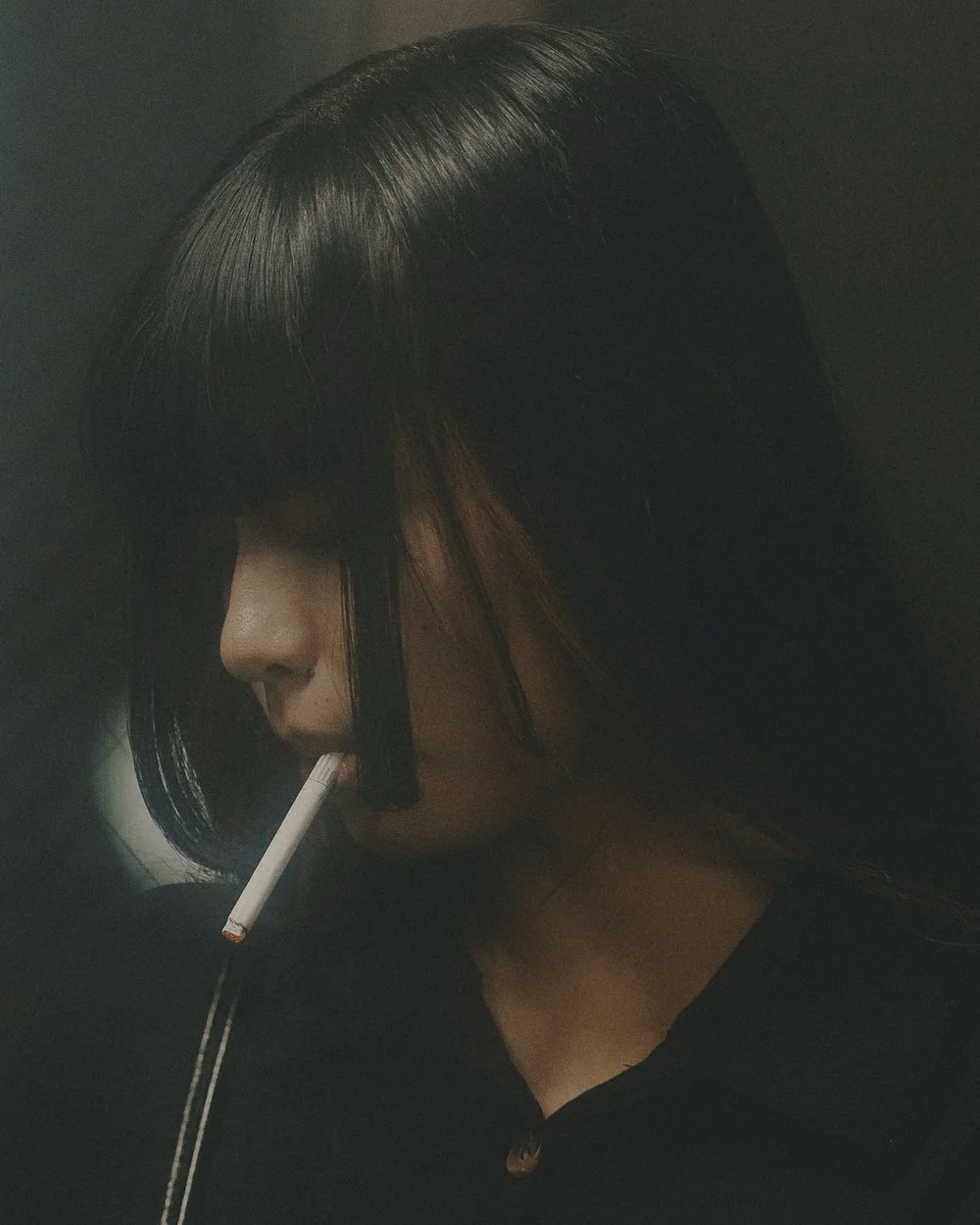
Those who have been following Yosigo on social media for a while know that humor is the prism through which he interprets the world to translate it in his own way. That is why, for Jose Javier Serrano (Donostia, 1981), everything happening in his life right now is a constant source of amazement and great fun. That “everything happening” is none other than becoming a widely recognized artist in Asia—signing autographs and landing a multi-year contract with a Korean company that seems to believe in his work even more than he does.
As we speak, in late 2024, his photographs are on display in Shibuya, and he already has a date for an exhibition in the spring. From Tokyo, where he has settled for a while, he tells me this success has taken him completely by surprise. Yet, by the end of our conversation, I cannot help but think that if destiny exists, it had this planned for him all along. Every step he has taken—whether one that fills him with pride or one he would rather not remember—seems to have led him, in an inexplicable way, to this very moment.
The sparkle in his eyes as he admits he has fallen in love with Japan is noticeable even through the screen. From my desk in Barcelona, it is hard not to catch his enthusiasm. “I visited very recently for the first time, and I am in love, so this time I am staying as long as I can,” he sums up.
“I spend my days with so many people—Koreans, Chinese, or Japanese—in meetings where I do not really understand what is going on. It is kind of funny, but I do not have anyone who speaks my language to sit with and say, ‘Guys, this is wild.”
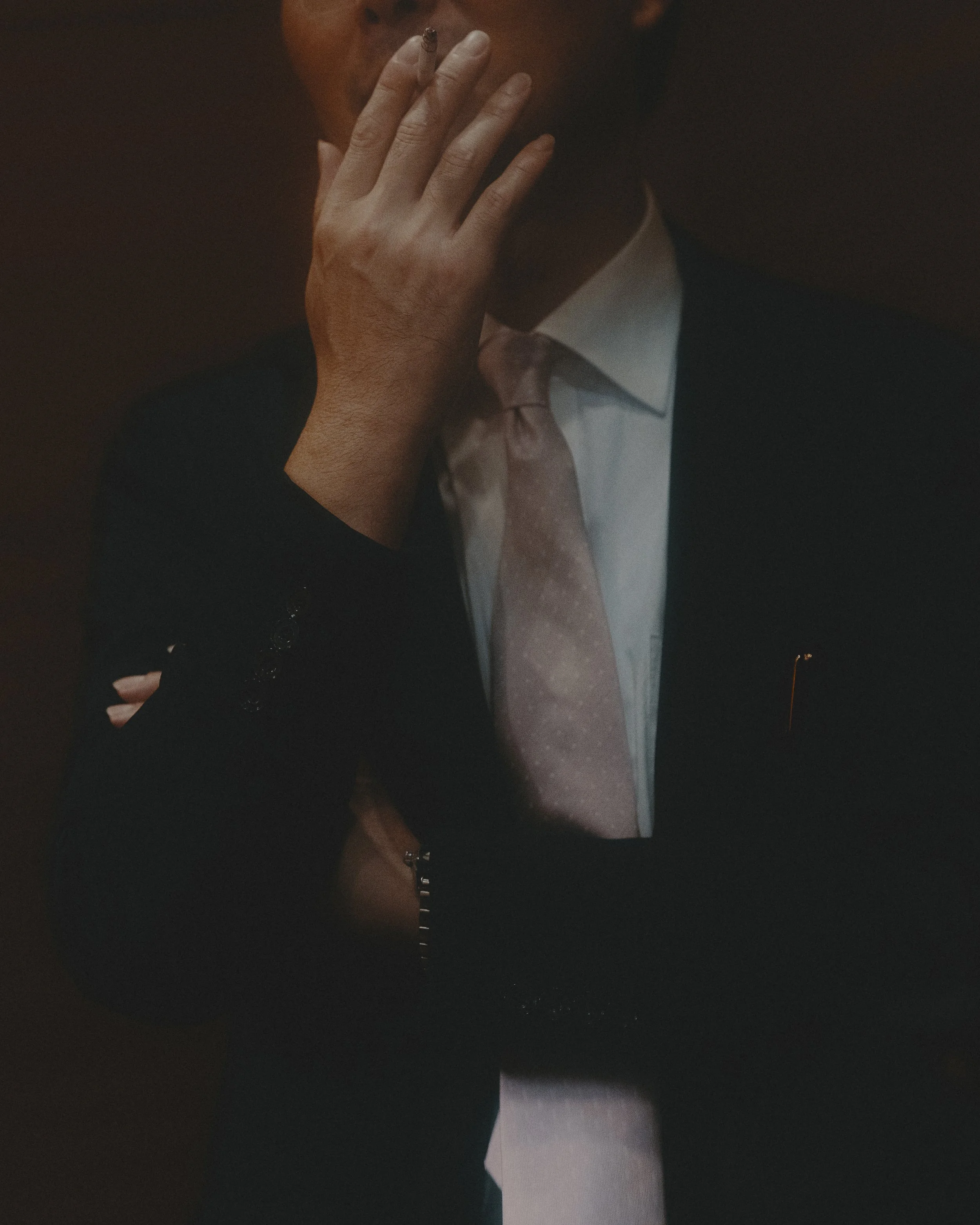
Yosigo’s camera never stops shooting, as hungry for images as his own mind, which is already shaping what will become his next project: a reflection on tobacco in Japanese society. “In Tokyo, you cannot smoke on the street. There is this kind of map of the city that shows the zones where it is allowed. Every night, I smoke a million cigarettes in those spots because I want this to be a nocturnal series, so I take the photos and then head to bed.” He has shared some of those photos on Instagram, but the platform has taken them down. “I found that hilarious. Now the project motivates me even more. The fact that there is this sort of censorship around it seems curious to me.”
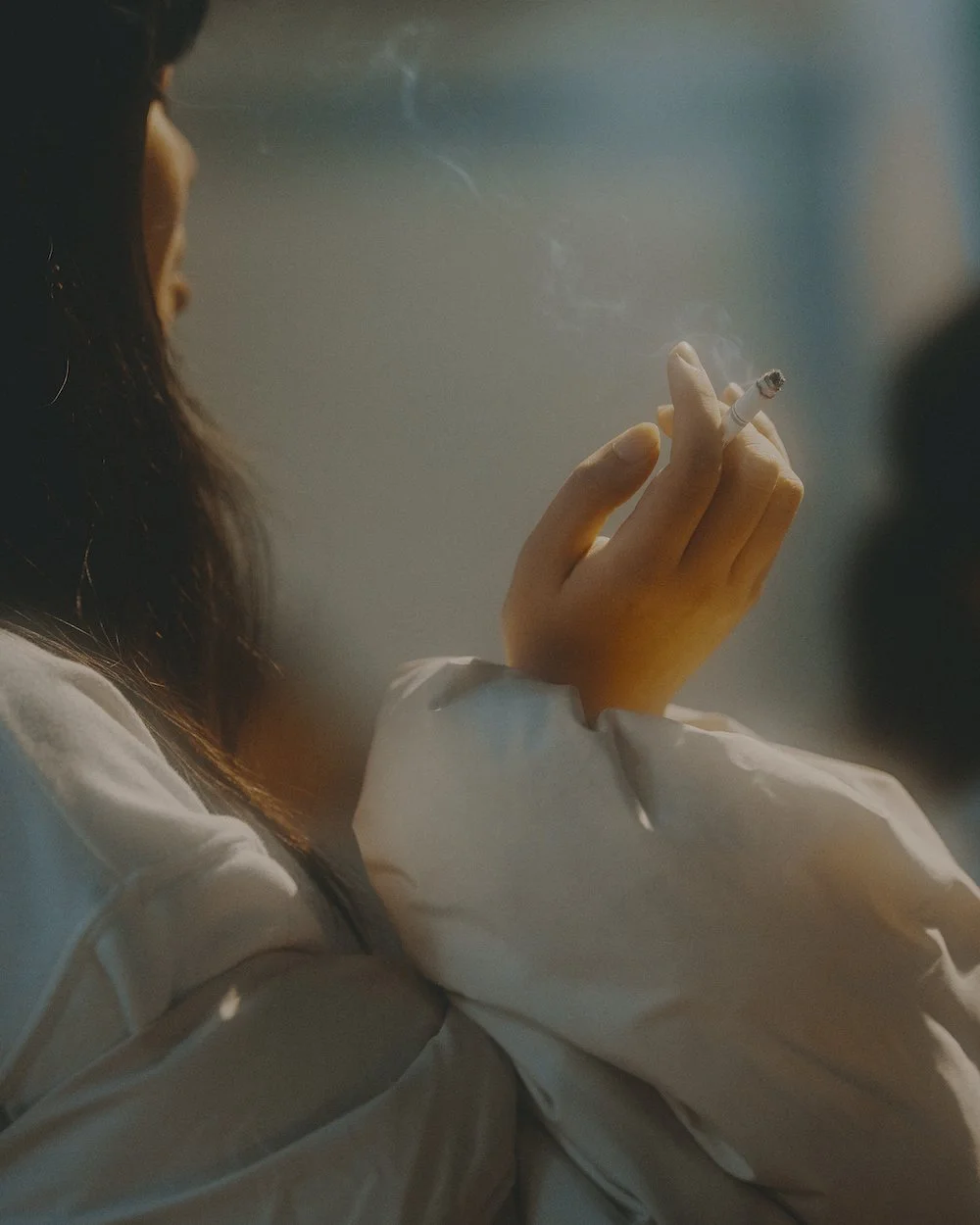
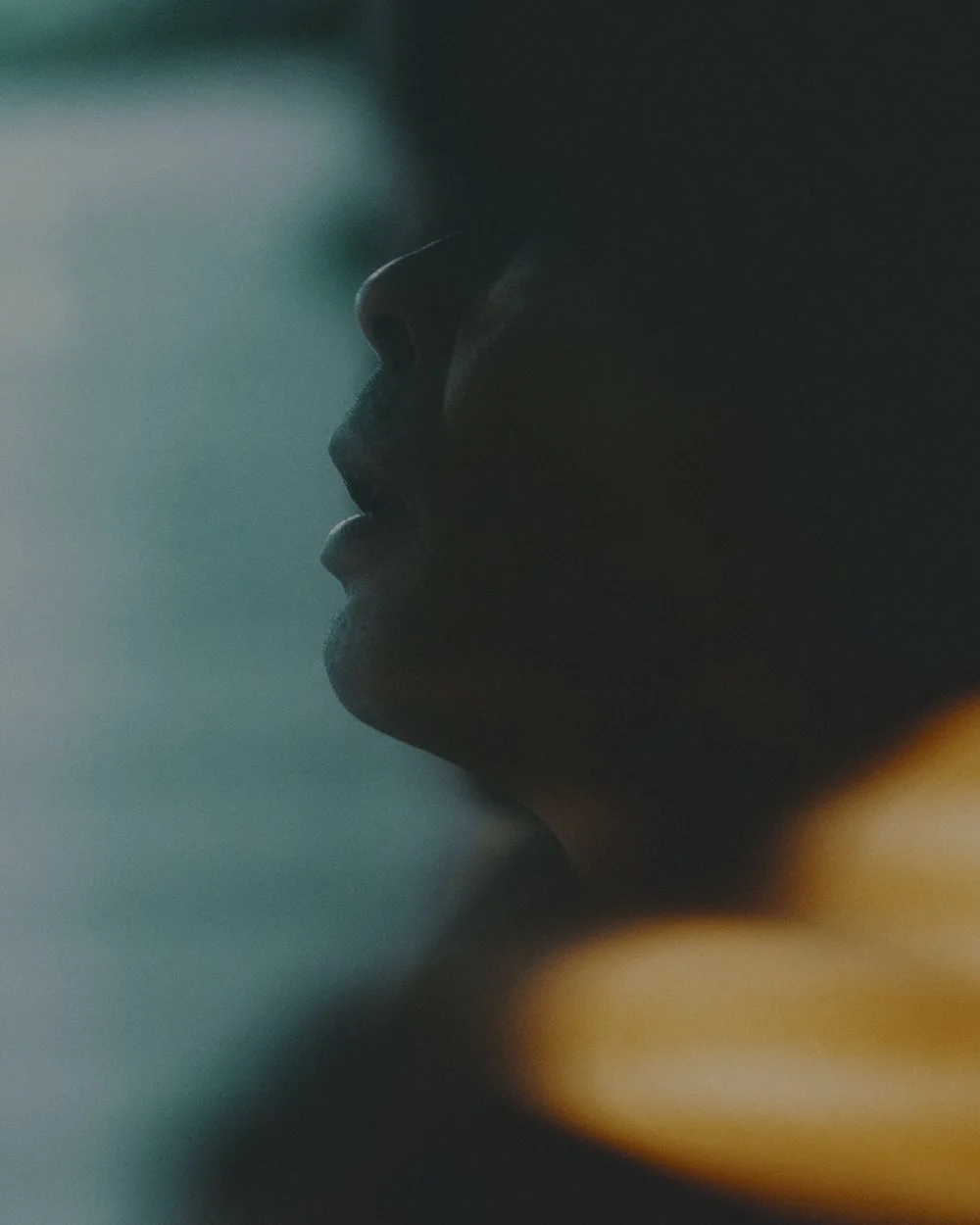
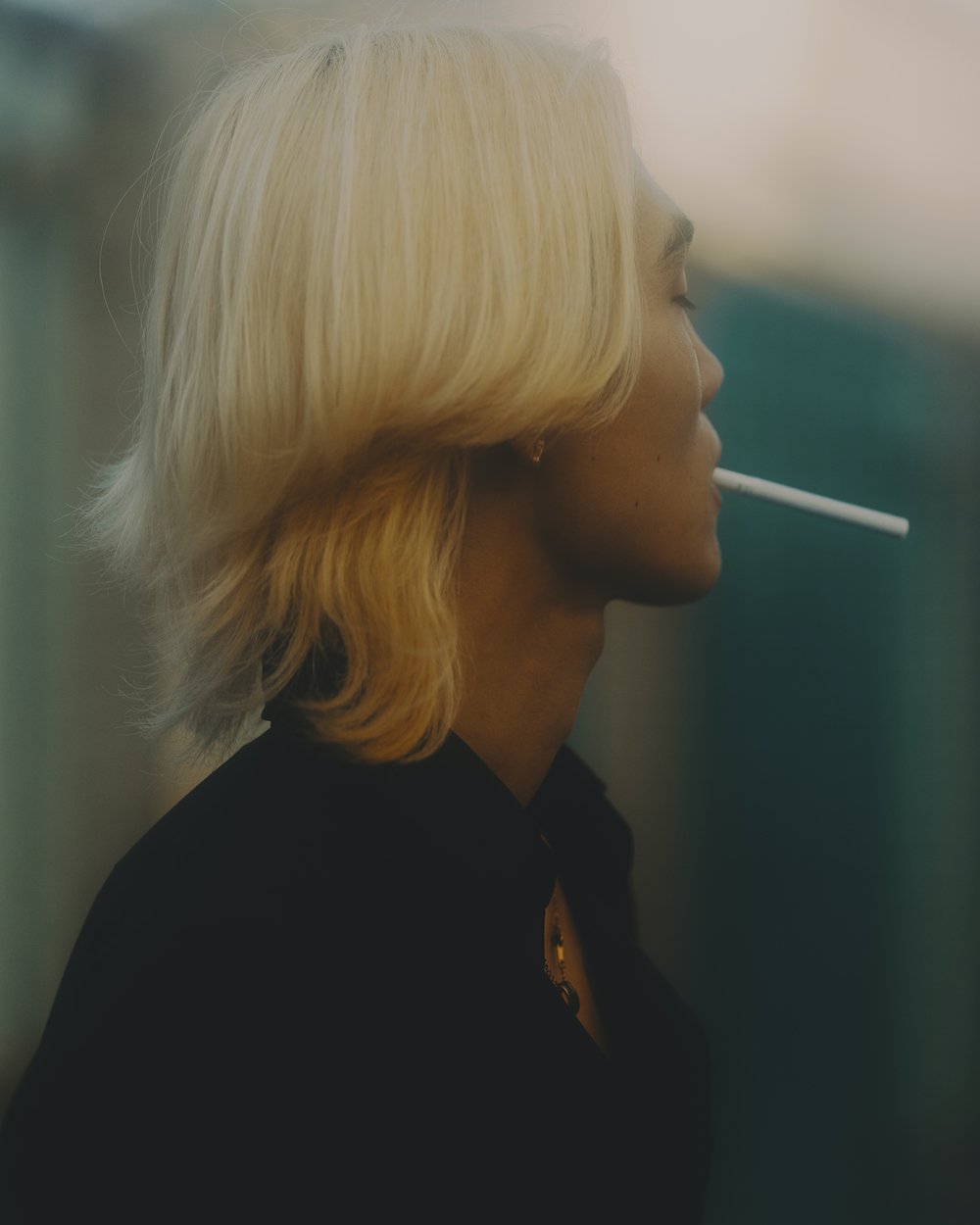
A graphic designer by trade, it was through creating catalogs that he realized he liked photography more than design. Nonetheless, books remain an obsession, which drives him to spread his work across different series that eventually materialize into various published volumes. “For me, books are photographic series of ideas. They are a way to give a project tangible form.” A key moment in his shift from design to photography came in 2003, when he met Salva López, and they started sharing an apartment in Barcelona. “Salva had a lot of jobs and began passing some of them my way. He guided me through the process of getting into commercial photography. He was also hugely important to me on a personal level.”
But if there is one year that changed everything for his career, it was 2020, when, on an ordinary day, an email landed in his inbox: “We are a Korean company. We would like to do an exhibition.” “They sent me a very developed project, and I jumped into it without really knowing what was going on. They set up the exhibition just as the second wave of Covid hit. In Korea, they shut everything down except for museums. The project kept growing, and I experienced it all online. It was surreal, and beautiful.” Later, the exhibition traveled to Busan, another city in Korea, and this time he managed to attend. “Suddenly, I was signing autographs. It was all very crazy.”
His day-to-day life in Tokyo is simple, a mix of enjoyment and work, photographing everything around him, intoxicated by the inherent beauty of Japanese culture: “Here, the corner of any doorway is stunning. I do not know if it is because I am in love, but everything looks beautiful to me.” Yet he laments not being able to share with friends the often curious situations that make up his daily life. “I spend my days with so many people—Koreans, Chinese, or Japanese—in meetings where I do not really understand what is going on. It is kind of funny, but I do not have anyone who speaks my language to sit with and say, ‘Guys, this is wild.’” I imagine him moving through it all with that mix of sardonic humor and gratitude, like Bill Murray in Lost in Translation, as he continues to redefine his view of the world, camera in hand, with the same blend of curiosity and humor that brought him to where he is today.
-
Issue Nº23
-
Yosigo