ARCHITECTURE OF EMOTIONS
LIVING IN.
MASTERPIECES OF RESIDENTIAL ARCHITECTURE
Truly brilliant design projects cry out to be inhabited, and exhibit the timeless appeal that is synonymous with the word 'home'.
LIVING IN.
MASTERPIECES OF RESIDENTIAL ARCHITECTURE
-
Foreword of the book LIVING IN. Masterpieces of Residential Architecture.
-
Openhouse and Gestalten.
-
Openhouse magazine online shop
-
Architecture influences and is influenced by everything around us. It is a language for expressing both a culture’s origins and values, and the guiding principles of its creators. While frequently it responds to practical needs, on other occasions it also invites us to dream of new ways of living. And when this occurs, it causes tiny revolutions that question accepted habits, dispense with obsolete customs, and revive traditions that had practically been condemned to oblivion.
But, what is it that makes a work into an exceptional masterpiece? When a painting, landscape or house genuinely inspires in a unique and impactful way, it commands more than just a rational response. It triggers emotions and change that are manifested through a visceral reaction more patent than our own conscious realization— our pupils dilate, we cry, we laugh or we freeze.
“When a painting, landscape or house genuinely inspires in a unique and impactful way, it commands more than just a rational response. It triggers emotions and change that are manifested through a visceral reaction more patent than our own conscious realization— our pupils dilate, we cry, we laugh or we freeze.”
In architecture, this sensation is inspired by places where we are more than mere visitors, where, for the passage of a few minutes, hours or days, we come to form part of them. Truly brilliant design projects cry out to be inhabited, and exhibit the timeless appeal that is synonymous with the word “home”. It is the feeling that strikes us in the garden of Luis Barragán’s Casa Pedregal, a pink-colored masterpiece surrounded by volcanic rock and faced by the turquoise waters of the swimming pool. Captivated by the interplay between warmth and shade on its modernist silhouette, we are able to admire—and feel—the huge skill with which the Mexican architect pushed and narrowed the link between light and color. Such is the singularity of these spaces that our senses spring to life the moment we cross the threshold, mes- merized by the feel of their different forms, the light that transits their interiors, and even the sounds that filter through to their rooms from the outside world.
A similar whirlwind of emotions inspired the inception of Openhouse and remains fundamentally at its core. Before the idea of a publication emerged, founders Mari Luz Vidal and Andrew Trotter opened their home up to the public, transforming it into an art gallery, concert venue, and restaurant. It was a blank canvas to which new uses were given, and then shared with friends and also strangers. With culture as its banner, Openhouse later metamorphosed into a magazine and, through it, the two flatmates—now transformed into editors—developed a philosophy of life based on the conservation of values such as tradition, nature, art, and identity.
Our latest project, this book, is the outcome of curatorial research into 30 homes that have all, like Openhouse, opened their doors to the wider public, each piece of architecture typified by its strong, emotional appeal. They are homes that we not only came to know, but which we somehow also feel a part of as we tune into their authenticity, their links with community, their superior architecture or their sublime harmony.
A shared adventure, the publication is guided by the voices and wisdom of four well-known names from the world of contemporary architecture and design. Spanish landscape designer Fernando Caruncho leads the way, revealing the magic that lies hidden in nature, creation and the cosmos; Belgian interior designer Axel Vervoordt deciphers the keys to the relationship between tradition and an audacious present; British architect John Pawson sketches a delicate, austere outline of what is commonly known as “personality”; and we venture on a journey of discovery with Italian architecture studio MORQ, exploring today’s ways of living and its impact on culture and society.
“Truly brilliant design projects cry out to be inhabited, and exhibit the timeless appeal that is synonymous with the word ‘home’.”
With them, we examined the four values that Open- house upholds: nature, tradition, personality, and community. They are the cornerstones of good architecture and the fundamentals to revisit when circumstances cause us to stray from the path. The houses featured in this publication are good examples of these principles. A lesson learnt, for instance, from our visit to George Nakashima’s house, studio and workshop, where the composite architecture blends gently with the surrounding landscape. Elsewhere, Hacienda Xucú’s walls clearly manifest the full force of tradition, Hotel Martel offers the community a refuge for artists, and James Goldstein’s residence overflows with personality and charisma. With each stop on the journey, at each of the homes, our aim is for you to experience the same thrill. We hope we manage to convey the emotions that these works of architecture inspire in us, in addition to Openhouse’s vision and values as reflected in Living In. Modern Masterpieces of Residential Architecture.así como la visión y los valores de Openhouse “Living in Masterpieces of Residential Architecture”
With them, we examined the four values that Open- house upholds: nature, tradition, personality, and community. They are the cornerstones of good architecture and the fundamentals to revisit when circumstances cause us to stray from the path. The houses featured in this publication are good examples of these principles. A lesson learnt, for instance, from our visit to George Nakashima’s house, studio and workshop, where the composite architecture blends gently with the surrounding landscape. Elsewhere, Hacienda Xucú’s walls clearly manifest the full force of tradition, Hotel Martel offers the community a refuge for artists, and James Goldstein’s residence overflows with personality and charisma. With each stop on the journey, at each of the homes, our aim is for you to experience the same thrill. We hope we manage to convey the emotions that these works of architecture inspire in us, in addition to Openhouse’s vision and values as reflected in Living In. Modern Masterpieces of Residential Architecture.así como la visión y los valores de Openhouse “Living in Masterpieces of Residential Architecture”

ARQUITECTURA EMOCIONAL
LIVING IN.
MASTERPIECES OF RESIDENTIAL ARCHITECTURE
Truly brilliant design projects cry out to be inhabited, and exhibit the timeless appeal that is synonymous with the word 'home'.
LIVING IN.
MASTERPIECES OF RESIDENTIAL ARCHITECTURE
-
Prólogo del libro LIVING IN. Masterpieces of Residential Architecture.
Publicado oficialmente en inglés. -
Openhouse y Gestalten.
-
Openhouse magazine online shop
-
La arquitectura es uno de los ejes fundamentales en la construcción de la sociedad que influye y se deja influir por aquello que nos rodea. Un lenguaje con el que expresar el origen y valores de una cultura pero también los principios de sus creadores, arquitectos y diseñadores. Unas veces, ésta responde a una realidad. Otras nos invita a soñar con nuevas formas de vida. Y cuando esto último sucede, se producen pequeñas revoluciones cotidianas que cuestionan gestos ya interiorizados, desechan costumbres obsoletas o recuperan viejas tradiciones casi olvidadas. Pero, ¿Qué es aquello que convierte una obra artística en un acto excepcional? Existe algo más allá de la razón que nos revela una pintura, un paisaje o una casa como algo único e inspirador. Y ese algo es la emoción. Su llegada activa un pequeño motor de cambio inmune a la indiferencia que se evidencia a través de nuestra reacción física —las pupilas se dilatan, lloramos, reímos o nos quedamos paralizados— y se manifiesta más allá de nuestra consciencia.
En arquitectura, esa emoción es transmitida por lugares en los que no somos visitantes sino de los que, por unos minutos, horas o días, formamos parte. Grandes obras de diseño que nos invitan a residir en ellas, exhibiendo la atemporalidad propia de aquello que damos en llamar “hogar”.
“Existe algo más allá de la razón que nos revela una pintura, un paisaje o una casa como algo único e inspirador. Y ese algo es la emoción. Su llegada activa un pequeño motor de cambio inmune a la indiferencia que se evidencia a través de nuestra reacción física —las pupilas se dilatan, lloramos, reímos o nos quedamos paralizados— y se manifiesta más allá de nuestra consciencia.”
Su singularidad atrapa nuestros sentidos al enfrentarnos a ellas, pasado el umbral de sus puertas, a través de su olor, del tacto en sus formas, de la luz que recorre sus rincones e incluso del sonido que nos llega de fuera hacia dentro.
Un sentimiento que nos sorprendió en el jardín de Casa Pedregal, rodeados de piedra volcánica y frente a la piscina de tonos turquesa diseñada por Luis Barragán donde, estremecidos por el juego de luces y sombras sobre la silueta de color rosa de esta obra maestra, admiramos la gran destreza con la que el arquitecto mexicano impulsó y estrechó los lazos entre la luz y el color.
De un similar torbellino de sensaciones nació Openhouse antes de convertirse en un proyecto editorial, cuando Mari Luz Vidal y Andrew Trotter abrieron las puertas de su casa transformándola en galería de arte, sala de conciertos o restaurante. Un lienzo en blanco sobre el que adoptaron nuevos usos compartidos con amigos pero también con desconocidos. Con la cultura como eje, Openhouse se transformó después una revista a través de la cual, aquellos compañeros de piso convertidos en editores, definieron un filosofía de vida basada en la conservación de valores como la tradición, la naturaleza, el arte y la identidad.
“Grandes obras de diseño que nos invitan a residir en ellas, exhibiendo la atemporalidad propia de aquello que damos en llamar ‘hogar’”
Este libro nace de una labor curatorial en torno a treinta hogares que, del mismo modo que Openhouse en Barcelona, se han convertido en anfitriones de una comunidad, pero también de una arquitectura emocional. Hogares que no sólo hemos conocido sino de los que, de algún modo, formamos parte. Obras con las que conectamos por su autenticidad, por su conexión con la comunidad, por su destreza arquitectónica o por su excelsa armonía.
Iniciamos este viaje como un periplo compartido en el que nos hemos dejado guiar por la voz y sabiduría de cuatro referentes de la arquitectura y el diseño contemporáneos. Fernando Caruncho nos muestra el camino a través de la magia que reside en el paisaje; Axel Vervoordt desentraña la relación entre la tradición y un presente lleno de audacia; John Pawson nos dibuja con austeros y delicados trazos lo que se da en llamar personalidad; y junto a MORQ vagamos entre la forma de vida actual y su impacto en la comunidad.
Nuestro viaje es circular y, del mismo modo que en la arquitectura como disciplina creativa, a medida que nos aproximamos al final, nace un nuevo principio.
Esperamos que en cada parada de este viaje, en cada una de las casas en las que os detengais, os lleven a sentir esa emoción. Ojalá os transmitamos lo que estas obras nos hacen sentir, así como la visión y los valores de Openhouse “Living in Masterpieces of Residential Architecture.”

FROM A CLEAR HEIGHT
MENDI ARGIA
Mendi Argia, or “Illuminated Mountain” as its Basque name, conveys the many sensations aroused by this house on the hill.
MENDI ARGIA
-
Fiction taken place in the Mendi Argia hotel.
-
Photographed by Mari Luz Vidal
mariluzvidal.comMendi Argia
mendiargia.com -
Openhouse magazine
Issue Nº13Media Argia Website
-
The water had gone cold and my fingertips were furrowed with tiny wrinkles. Even so, I lingered in the bathtub at the foot of the bed, gazing at the endless myriad of colours: orange, pink and blue hues that glanced the walls. It had been an amazing day, visiting the exhibition by Vivian Maier at Tabakalera, San Telmo Museum, a stroll through Cristina Enea Park and pintxos (local bar snacks) in “Lo viejo”, as the people of San Sebastian call the city’s oldest quarter.
“In the living room, light filters in through a glass door, playing hide and seek with the round mirror that takes pride of place. ”
San Sebastian had seduced me in multiple different ways since the day I arrived, from the small hexagons that pattern its pavements and the now iconic lampposts of La Zurriola bridge to La Concha seafront promenade. Its elegance struck me, even on rainy days when Eduardo Chillida’s three sculptures, El Peine de los Vientos, dare to pit themselves against the roaring sea.


Mendi Argia, or “Illuminated Mountain” as its Basque name, conveys the many sensations aroused by this house on the hill. Dating back to the early 20th century, the villa, perched on the slopes of Mount Ulia offers a one of a kind vantage point, with spectacular views of San Sebastian below. Created by Nikola and Gixon, two brothers from Guernica with strong personal and cultural roots in the city, their desire is to offer more than just a home to their guests.
The house that had been left to ruin for many years has been brought back to life by Openhouse Studio. An old Basque pelota court lies hidden amid the branches of the garden; the old wooden staircase and ornate plaster mouldings have been beautifully restored. And throughout, a touch of the new gives a contemporary elegant ambience. Openhouse worked together with their brand partners, Thonet, Gervasoni, Menu, Santa & Cole, Bauwerk Colour and Nanimarquina, to create a peaceful escape.
In the living room, light filters in through a glass door, playing hide and seek with the round mirror that takes pride of place. “Big Round” art piece by Sabine Marcelis and Brit Van Nerven, welcomes visitors on their arrival, with a magical interplay of light, even when the sun’s rays have not yet quite reached it.
When I finally got out of the water, the last twilight echoes of the setting sun still refused to abandon us. The temperature was perfect and so there was no need for a towel. I donned my silk robe and went out onto the balcony. I couldn’t bear to miss the last red glint of sunlight, the reflections on Kursaal Congress Centre’s glass façade or Mount Igeldo’s steaming splendour across the other side of San Sebastian.
I felt powerful, as if I were in a Middle Age fortress. Mount Ulia, which had served for centuries as a look-out post for whales to hunt, now had a new lighthouse, Men- di Argia: a luminous retreat that had guided me on my visit to the city, helping me to understand San Sebastian in both its simplicity and its complexity.

THE PEBBLE AND THE ROUND POUND
FERNANDO CARUNCHO
-
Interview to Fernando Caruncho in his studio, Madrid.
-
Openhouse magazine
Issue Nº12 -
Photographed by Salva López
salvalopez.comCaruncho Garden & Architecture
web.fernandocaruncho.com -
FERNANDO CARUNCHO
As I walk, I heed the spherical pattern traced on the ground, my mind is engrossed in circular trains of thought... I feel as if I am floating, walking on the ripples caused by an imaginary pebble as it drops into the pond... right in the middle of the circumference.
“All places possess some kind of beauty. There’s no-where in the world without beauty, because their excellence resides in light.”
The person who launched the pebble is Fernando Caruncho, interpreter of a language conveyed through light and nature, expressed in the form of a garden. However, this is not the only way that Fernando imparts its message. Today, on our visit to his studio, there is a magnetic rhythm to Fernando’s conversation that guides us in discovering what underlies that notion commonly known as a landscape or–what is tantamount to the same– what underlies what we call life.
In this little corner of the world on the outskirts of Madrid, there are no shortcuts to the course of events. Time follows its natural order and the passage of time is awarded an almost religious respect. Gardening is based on this same respect. Fernando’s studio has specialized in sparking off dialogue between landscape gardening (in the sense of creating gardens conceived to accompany and enhance architecture) and this last discipline for over forty years.
Lulled by the unusual tempo of Caruncho’s words, we converse with him about the divine, the human and a combination of both. For this creator, one is meaningless without the other. His background in philosophy–whose studies he completed before turning to the world of gardening–exerts a strong influence on his vision of the world. His gentle tones and unhurried pace lend a credibility to words that have a transformational capacity. «Gardens are a question of faith, where desire plays a key role. I believe in love as a universal force. It’s that unfamiliar force that gives us our balance in this chaotic universe.»
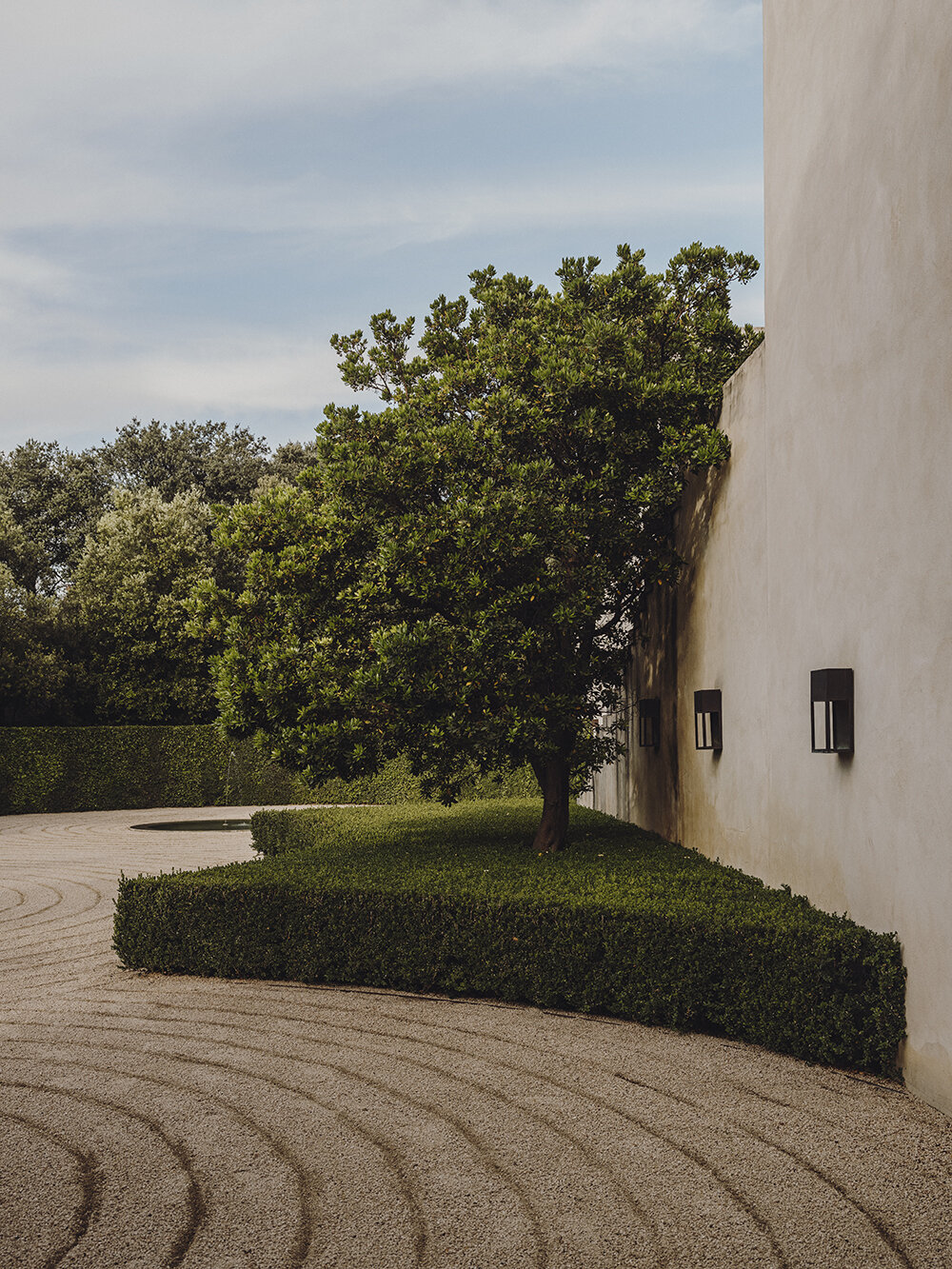
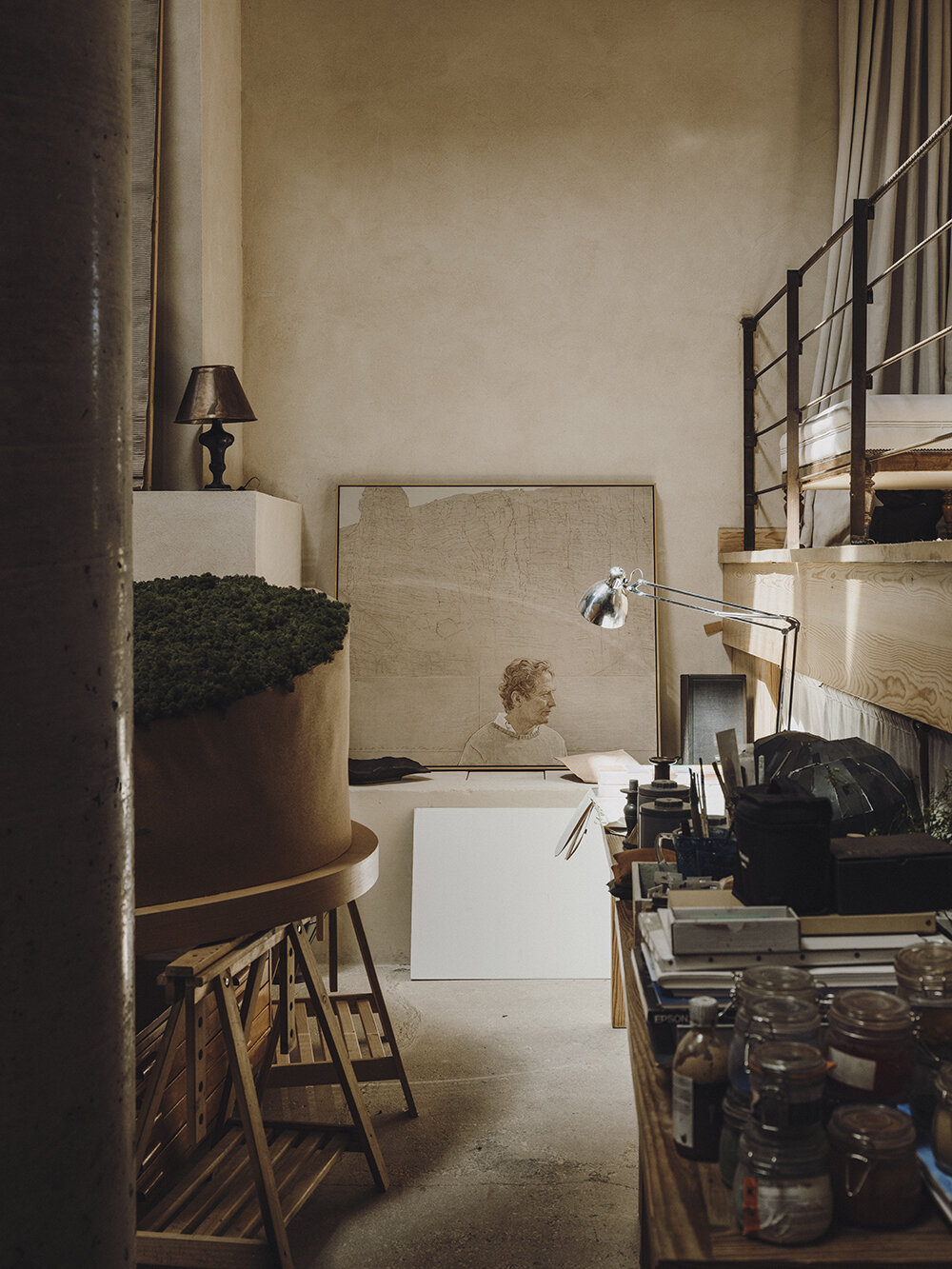
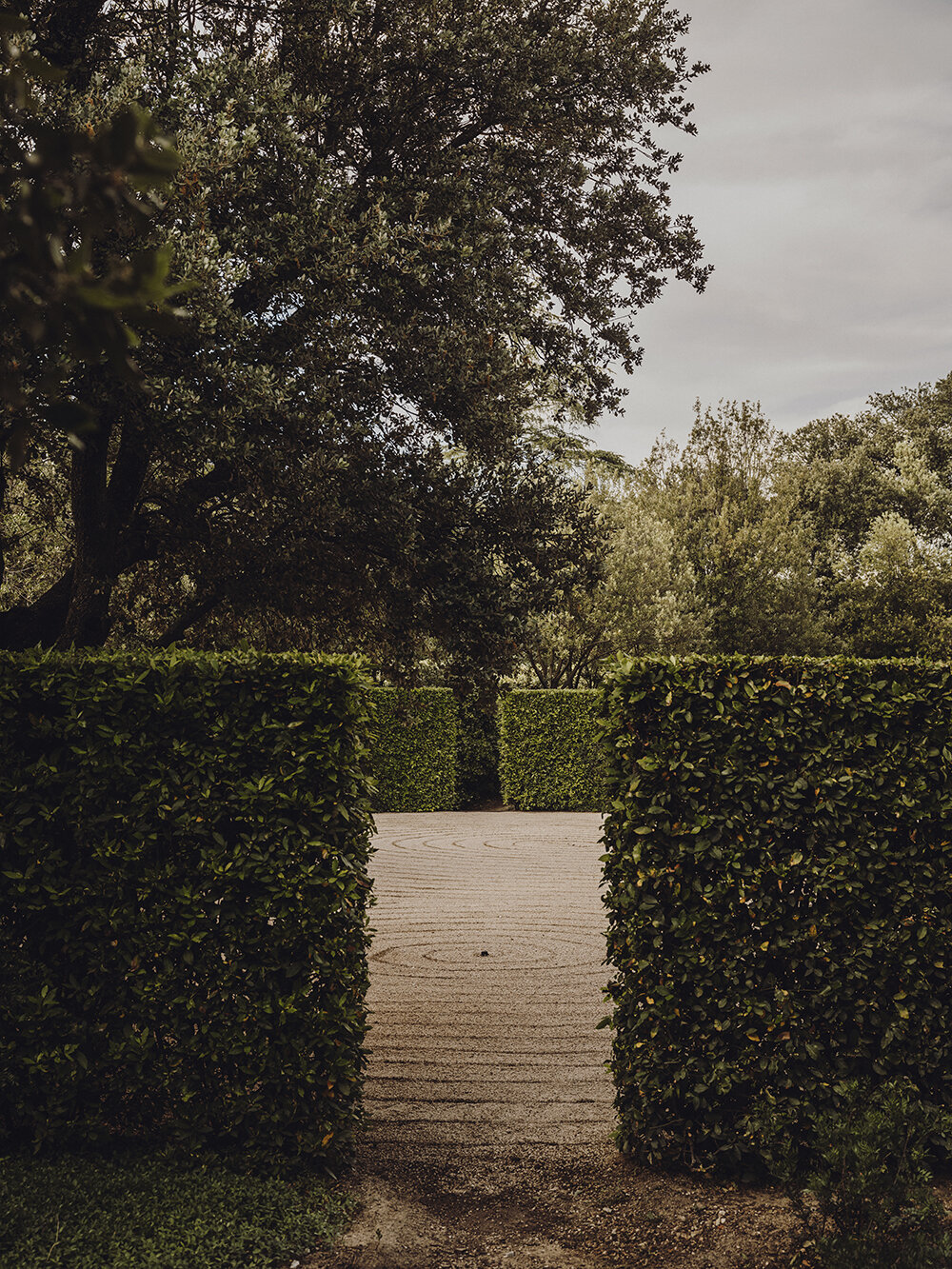
Fernando spent part of his childhood in Ronda, Malaga, where his parents had an apartment. «At the end of the tree- lined avenue, La Alameda del Tajo, I would cling onto the railings of a vantage point hovering above a 200-metre drop and gaze at the landscape that stretched out before me», he recalls. «Maybe that was the origin of my passion. Ronda is a place where one feels closely in tune with the landscape.»
“Gardens are like all living things. They are created and they grow, mature and die in a cyclical process. I feel as if I’ve died on many occasions. By dying, I give rise to a new Fernando, whose existence would not be possible without the preceding one.”
Like the conductor of an orchestra, Fernando orders his words organically and guides us along the pathways of a philosophy that is not new but which is so rare that it seems contemporary: «The speed of today’s life trivializes events. We are always waiting for the next thing to occur and so instead of being enriched by experiences, they burn us up.» He explains that a garden’s creation, growth and development form part of that process of enrichment. «A garden takes time to reach its peak and patience is needed until that moment. Gardens are not for people who are in a hurry, but for those who understand that life is a marvellous process, filled with mystery closely tied in with nature.»
One key aspect of gardens is their sense of movement. «It’s marvellous to see how the features that generate the most movement are actually the totally static ones driven into the ground.» This interplay with reflections and surface absorbed light waves originated in the Mediterranean: «It’s an ancient method. Controlling light, empty spaces and volumes. If you can achieve that with architecture, the space is transformed into a concept. This is the case with all Mediterranean architecture. It’s totally conceptual.»

The studio we are in is a good example of this method. It is simple and welcoming, and yet brimming with originality and stylish sobriety, epitomized, above all, by the ever-present light. «A few days ago, my friend Axel remarked that what he likes most about this place is its sense of emptiness. I think he’s right. If there’s something special about it–because basically it’s just a cube with a hole on top– it’s that feeling of emptiness.»
When he embarks on a new project, the starting point is clear: «All places possess some kind of beauty. There’s no-where in the world without beauty, because their excellence resides in light.» Fernando’s work begins when the spirit of that light is expressed. Then he listens to the place and tries to reproduce the message that it conveys to him. «We don’t plan a place. We let it shape our minds through a process of observation where there’s no room for bias.» He sums it all up by saying that in architecture and gardens, «We must summon the spirit of the place.»
The words of this great thinker are guided by the spirit of generosity and he expresses his ideas with keen sincerity. «Gardens are like all living things. They are created and they grow, mature and die in a cyclical process. I feel as if I’ve died on many occasions. By dying, I give rise to a new Fernando, whose existence would not be possible without the preceding one, although this one is different from before.» When we bid farewell to each other at the end of the day, we are no longer the same people because Fernando has taught us a major lesson in life.
LA PIEDRA SOBRE EL ESTANQUE CIRCULAR
FERNANDO CARUNCHO
-
Entrevista a Fernando Caruncho en su estudio, Madrid.
-
Openhouse magazine
Issue Nº12 -
Fotografiado por Salva López
salvalopez.comCaruncho Garden & Architecture
web.fernandocaruncho.com -
FERNANDO CARUNCHO
“Todo lugar posee su belleza. No hay un sólo espacio en la tierra sin ella porque es en la luz donde reside su excelencia”
Mientras camino respetando las líneas esféricas dibujadas sobre el terreno, mi mente se sumerge en un pensamiento circular. Me siento flotar como si caminara sobre las ondas que una imaginaria piedra hubiera provocado al caer en el estanque situado en el centro de la circunferencia. Quien lanza el guijarro es Fernando Caruncho, un intérprete del lenguaje hablado entre luz y naturaleza cuya forma de expresión es el jardín. Aunque decir que ésta es la única forma en la que Fernando traslada su mensaje, sería injusto. Su conversación parece conocer un compás magnético que, durante nuestra estancia en su taller, nos lleva de la mano a descubrir qué se esconde detrás de aquello que llamamos paisaje, o lo que es lo mismo, de lo que llamamos vida.
En este pequeño rincón del mundo situado a las afueras de Madrid, no existen atajos en el devenir de los acontecimientos. El tiempo discurre según su orden natural y el respeto que se profesa a ese lapso temporal se eleva a categoría de credo. La jardinería basa su desarrollo en dicho respeto. Definido como el arte de crear jardines que acompañan y ensalzan la arquitectura, el estudio de Fernando trabaja el diálogo entre estas dos disciplinas desde hace más de cuarenta años.
Mecidos por el inusitado ritmo que acompasa las palabras de Caruncho, conversamos con él acerca de lo divino, de lo humano y de la combinación de ambos. Para este creador, lo uno no tiene sentido sin lo otro. Los estudios de filosofía —que completó antes de sumergirse en el mundo de la jardinería— mantienen una gran influencia en su manera de entender el mundo. Su tono suave y su tempo calmado aportan consistencia a un discurso que resulta transformador. «El jardín es una cuestión de fé donde el deseo es una palabra clave. El amor como fuerza del universo es algo en lo que creo. Es esa fuerza que desconocemos y que hace que estemos de forma equilibrada en este caótico universo».
Parte de su infancia la pasó en Ronda, Málaga, donde sus padres tenían un apartamento. «Allí, al final del camino arbolado de La Alameda del Tajo, me agarraba a los barrotes de la balconada situada al borde de un abismo de 200 metros y observaba el paisaje que se extendía ante mí», recuerda. «Quizá en ese lugar sea donde se encuentra la semilla de mi pasión. Ronda es un lugar donde uno se siente muy unido al paisaje».
“Al jardín le pasa como a todo lo vivo. Nace, crece, madura y muere de forma cíclica. Yo siento que he muerto muchas veces. Muero y doy lugar a un nuevo Fernando cuya existencia no es posible sin el anterior pero que ahora es diferente de antes”
Como un director de orquesta, Fernando ordena de forma orgánica las palabras y nos guía por los senderos de un pensamiento que no es nuevo, pero que de inusitado parece moderno: «La rapidez con la que se vive hoy es una banalización de los acontecimientos. Siempre estamos esperando a que llegue lo siguiente, por lo que, en lugar de enriquecernos de la experiencia, vivimos consumidos por ella». El jardín nace, crece y se transforma bajo ese impulso de enriquecimiento, explica. «Un jardín tarda en llegar a su plenitud y se requiere paciencia para verla cuando al fin llega. El jardín no es para gente que tenga prisa sino para quien entiende que la vida es un proceso maravilloso, lleno de misterio al lado de la naturaleza».
Un aspecto esencial de los jardines es la sensación de movimiento. «Es magnífico ver cómo las piezas absolutamente estáticas que uno fija de manera radical a la tierra, son las que más movimiento proyectan». Un juego producido por el reflejo y absorción de las ondas lumínicas sobre la superficie, cuya metodología nació en el Mediterráneo: «Es un código antiquísimo. El control de la luz, el control del vacío y el control del volumen. Si en arquitectura consigues eso, el espacio se convierte en un concepto. Eso es lo que ocurre con toda la arquitectura del Mediterráneo, que es absolutamente conceptual».
El estudio en el que nos encontramos da buena cuenta de dicho método. Tan sencillo como cálido, el espacio rezuma excepcionalidad y una elegante austeridad cuya máxima expresión es la sempiterna luz. «Precisamente mi amigo Axel me comentó hace unos días que lo que más le gusta de este sitio es el sentido del vacío. Y yo creo que es verdad. Si algo tiene, porque no es más que un cubo con un agujero arriba, es esa percepción del vacío».
A la hora de enfrentarse a un nuevo proyecto, la idea de la que parte es clara: «Todo lugar posee su belleza. No hay un sólo espacio en la tierra sin ella porque es en la luz donde reside su excelencia». El trabajo de Fernando comienza cuando ese espíritu luminoso se expresa. Entonces, éste escucha al espacio y trata de reproducir el mensaje que éste le hace llegar. «No proyectamos el lugar sino que dejamos que éste se proyecte sobre nosotros. Se trata de un acto de observación en el que no caben los prejuicios». Tanto en la arquitectura como en los jardines, resume finalmente, «lo que uno debe hacer es convocar al espacio».
Gran pensador, la generosidad guía las palabras de Fernando, quien las formula de un modo intenso y sincero. «Al jardín le pasa como a todo lo vivo. Nace, crece, madura y muere de forma cíclica. Yo siento que he muerto muchas veces. Muero y doy lugar a un nuevo Fernando cuya existencia no es posible sin el anterior pero que ahora es diferente de antes».

A Caravan, Caterina & Me
ICELAND
ICELAND
-
Fiction tale based on Salva Lopez’s travel to Iceland.
-
-
Photographed by Salva López
salvalopez.com -
“That house on wheels had become another travel companion. It was old, one of its indicators didn’t work and the radio-cassette player was broken, but it was full of charm.”

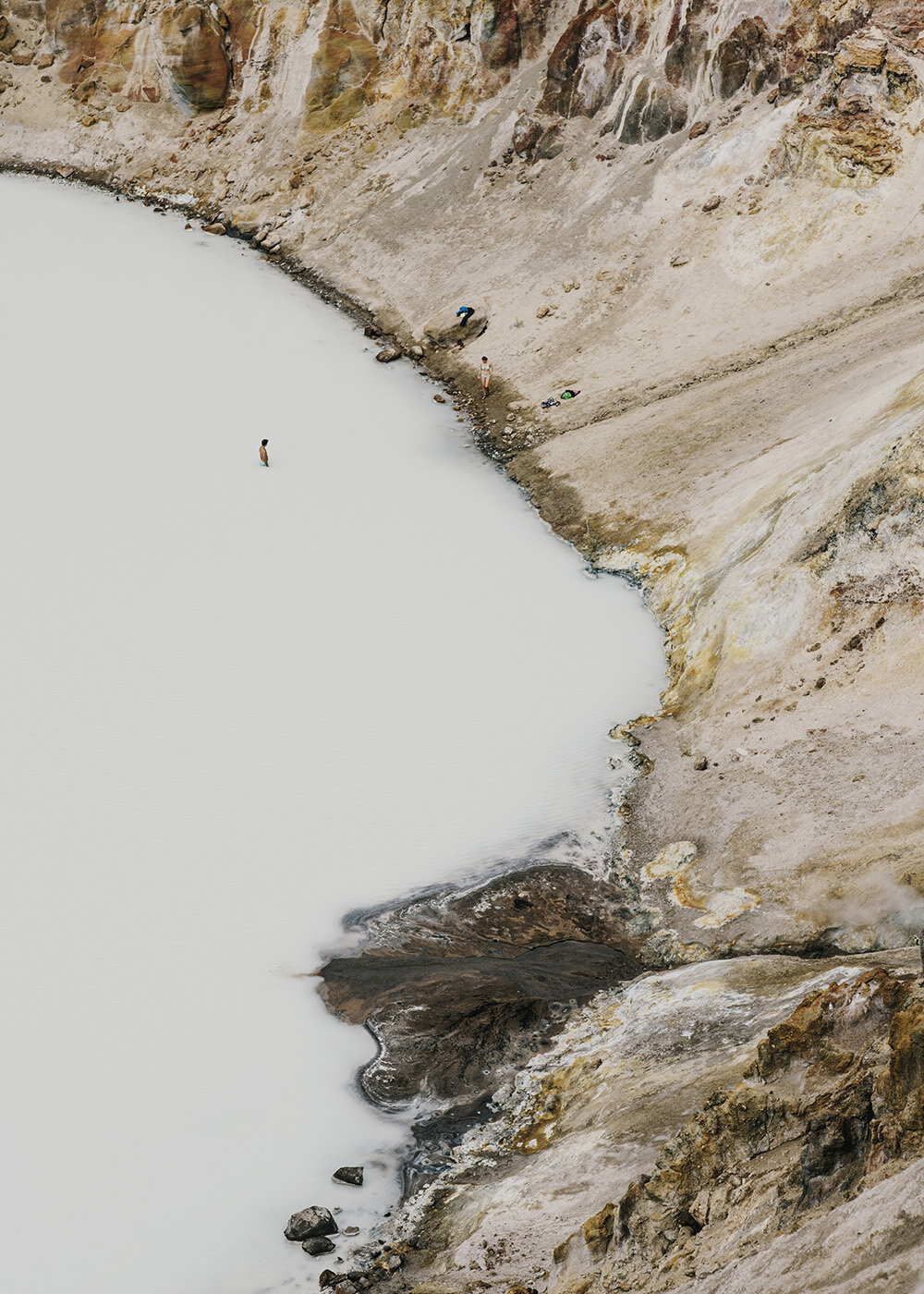
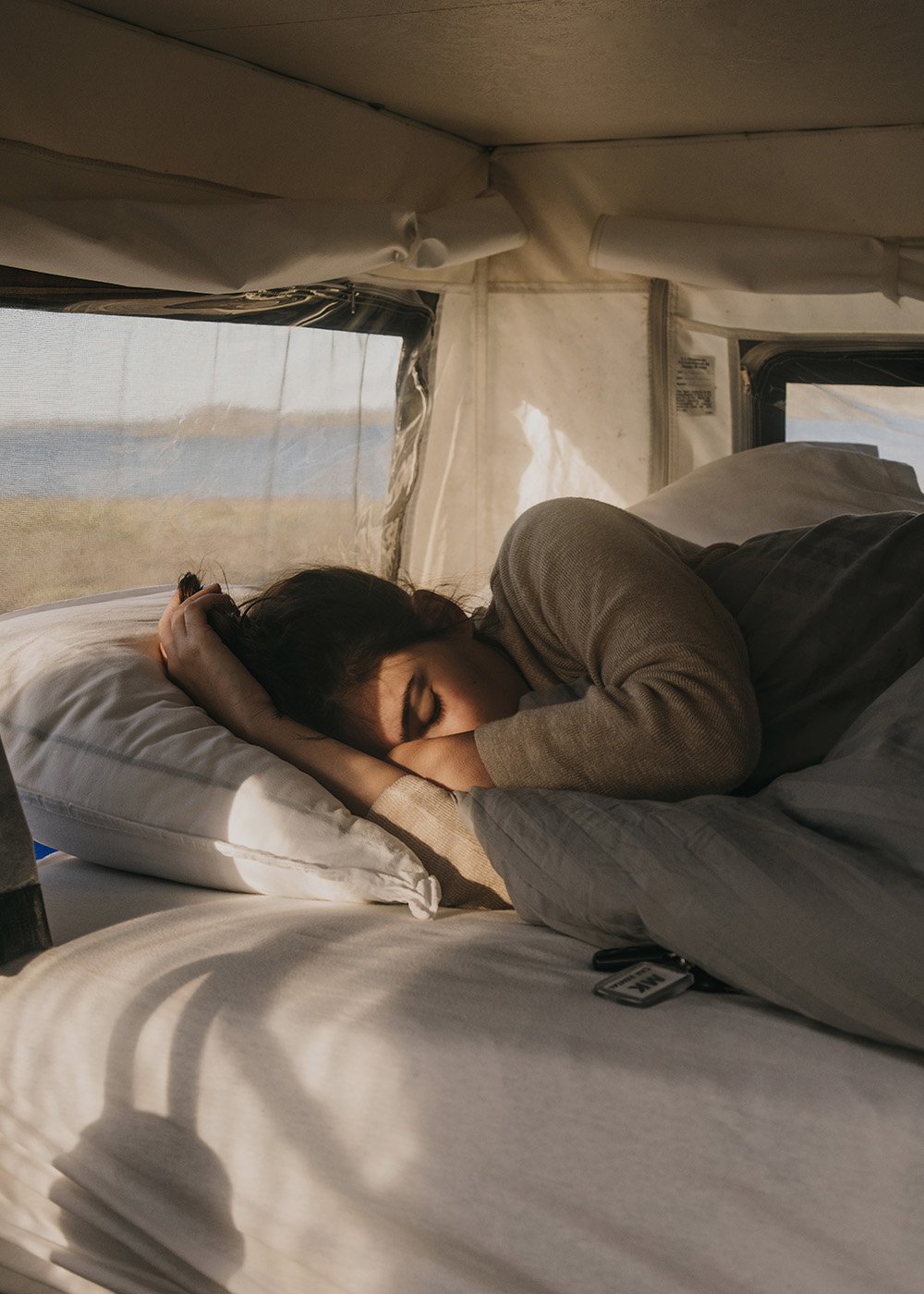
The cold morning woke us up. Caterina retracted her hand inside the sleeve of her jumper and wiped the steamed-up window for a clearer view. The rising sun covered everything around us with a beautiful golden veil: the mountains behind us, the sea before us and the lighthouse on the cliff, closing its working day.
We had been on the island for 20 days and I had spent most of the time with my head elsewhere. The constant feeling of vastness and solitude in this country with its 3.4 inhabitants per square kilometre, attracted me and overwhelmed me at the same time. I suppose I wasn’t really aware of what I was signing up for when I decided to travel to Iceland. But, despite everything, it was going well. We’d rented a cross-country caravan so that we could cook between volcanoes, swim in the island’s glaciers, sleep in its valleys and use my camera –my other great travel companion– to capture the most beautiful landscapes I’d seen in my life.
We spent hours and hours in silence, watching the wind drawing new and constantly changing tracks over the stony terrain from the shelter of our caravan. After hundreds of kilometres in this old-banger, seeing hardly a soul, my fears were slowly being dispelled and I had entered a state of excitement that came before an immense calm. What had started out as just a holiday had become something else. I felt small, but complete.
In our last few hours in Iceland, heading back to the caravan rental company, I searched for ‘My Home is Nowhere Without You’ by Herman Dune on Spotify. The sound of the banjo came through the small speaker connected to my smartphone as we crossed the island with all of our possessions.
Echoing the message of the song, I got the feeling that my home wasn’t a place. My home was the people with whom I shared my life. That house on wheels had become another travel companion. It was old, one of its indicators didn’t work and the radio-cassette player was broken, but it was full of charm.
It had put up with the nuisance of Caterina’s sprained ankle, had sheltered us from the rain and cold of a climate that was as changeable as the landscape, and had protected us when another car drove into us because the driver hadn’t seen us indicating. The caravan had been a witness to my change and our change. I would like to think that, just like the surface of that small, great island, the wind had shaped mine and Caterina’s perspectives, freeing us from the prejudices we’d had when we arrived.
The photos I took with my camera show Iceland in all its indisputable splendour, but I’m not sure that they really capture its essence. When I think about that trip, it is not these images that come to mind, but rather those of that home on wheels: beautiful, wise and imperfect.
Una caravana, Caterina y yo
ICELAND
ISLANDIA
-
Historia ficcionada sobre el viaje de Salva López en Islandia.
-
-
Fotografiado por Salva López
salvalopez.com -
“Aquella casa rodante se había convertido en una compañera más de viaje. Era antigua, uno de los intermitentes no funcionaba bien y el radio-casette se había estropeado, pero estaba llena de encanto.”
El frío de la mañana nos despertó. Caterina metió su mano dentro de la manga del jersey y limpió el empañado cristal para ver a través de él. El sol comenzaba a inundarlo todo con un espléndido velo dorado: las montañas a nuestra espalda, el mar al frente y el faro, acabando su pequeña jornada sobre el acantilado. Llevábamos 20 días en la isla y yo me había pasado la mayor parte del tiempo con la cabeza en otra parte. La incesante sensación de inmensidad y de soledad en una país con 3,4 habitantes por kilómetro cuadrado, me atraía y al mismo tiempo me abrumaba. Supongo que no era muy consciente a lo que me sometía cuando decidí viajar a Islandia. Alquilamos una caravana todoterreno que nos permitiría cocinar entre volcanes, bañarnos en sus glaciares, dormir en sus valles.
Ésta además me ayudaría a capturar con mi cámara —mi otra gran compañera de viaje— los lugares más extraordinariamente hermosos que jamás haya visitado.
Pasamos horas y horas en silencio, observando desde nuestra caravana 4x4 cómo el pedregoso terreno se dejaba mecer por un viento que dibujaba sobre él nuevas sendas imposibles de capturar en su mutabilidad. Tras cientos de kilómetros dentro de ese cacharro sin apenas ver a nadie, mis miedos se fueron disipando y experimenté un estado de excitación previo a una inmensa calma. Lo que comenzó como unas simples vacaciones se había convertido en algo más. Me sentía pequeño pero completo.
En nuestras últimas horas en Islandia, de camino a la empresa de alquiler de la caravana, busqué “My Home is Nowhere Without You” de Herman Dune en Spotify. El banjo comenzó a sonar desde el pequeño altavoz conectado a mi smartphone mientras atravesábamos la isla acompañados de todos nuestros trastos.
Tal y como rezaba la canción, sentía que mi hogar no estaba en ninguna parte. Mi hogar eran las personas con las que compartía mi vida. Aquella casa rodante se había convertido en una compañera más de viaje. Era antigua, uno de los intermitentes no funcionaba bien y el radio-casette se había estropeado, pero estaba llena de encanto. Había soportado las incomodidades del esguince que sufrió Caterina, nos había resguardado de la lluvia y del frío en un clima tan cambiante como el paisaje, y nos protegió del golpe con aquel otro conductor que no vió el intermitente encenderse.
La caravana había sido testigo de mi cambio; de nuestro cambio. Quiero pensar que, como la superficie de aquella pequeña gran isla, el viento había ido limando la mirada de Caterina y la mía propia, liberándonos de los prejuicios que la nublaban cuando llegamos.
Las fotografías que tomé con mi cámara muestran una Islandia de incontestable esplendor, pero no sé si realmente capturé su esencia. No son estas imágenes las que asoman a mi recuerdo cuando pienso en aquel viaje, sino las de aquella casa rodante, sabia, bella e imperfecta.
The Wisdom of Parrots
Barcelona City Guide
So here I was, in the center of El Born, on a narrow street just like the ones I had dreamed of while reading the novles of Carlos Ruiz Zafón: small alleways with close-knit cobblestones, home to speakeasies and shops selling spices in bulk.
AN AVIAN ENCOUNTER
-
Here’s to a city of effortless charm, a coastal gem blessed with an agreeable climate and beautiful beaches. But before you get lost in that glass of vermut, look around – there’s more to the Catalan capital than sun, sea and sand. We’ve ventured beyond the tourist-beaten tracks of Barri Gòtic and explored every nook, from Sant Andreu to Poble-sec. We’ve found independent retailers and grand fashion labels that abound with dynamic designs, as well as old-world tapas bars and innovative new spots bringing a modern touch to Catalan cuisine. And don’t worry, we haven’t eschewed the beach and bottle entirely – there’s always time for those in this city.
-
Monocle & Gestalten.
-
Monocle Website

I woke up with the first rays of light filtering into my new home. Two days earlier I had moved to Barcelona, where I intended to spend at least a year, a 12-month sabbatical from my life in London. So here I was, in the center of El Born, on a narrow street just like the ones I had dreamed of while reading the novels of Carlos Ruiz Zafón: small hallways with close-knit cobblestones, home to speakeasies and shops selling spices in bulk. Impatient to unravel and document all the mysteries of my new city, I raced out onto the street with my camera.
However, just as I lined up my first shot, a loud noise took me by surprise. I had never heard anything like it: a cloud of parrots singing thunderously all at once, as though in dialogue with one another, oblivious to the morning silence of a city still soundly asleep. I instinctively followed them, eager to know what they were saying, where they had come from and where they were headed. I crossed Passeig de Picasso without looking, narrowly avoiding a taxi, my eyes firmly fixed on the sky.
“I’ve been always bond of birds, perhaps because they symbolise the total liberty that I’ve long sought myself.”
I’ve been always bond of birds, perhaps because they symbolise the total liberty that I’ve long sought myself. Until that point I had done everything that was expected of me: I studied business, secured a good job and got married. Everything was fine until a long-suppressed desire to escape had driven me to take a break.
Finally the birds stopped flying; they arrived at what appeared to be some sort of abandoned greenhouse, slap bang in the centre of Parc de la Ciutadella, full of junk and plants that snaked around shards of broken glass. I must have looked completely bewildered because an old man approached me and asked whether I was alright. I told him I was fine, all the while keeping my eyes on the ceiling. Reading my thoughts he started telling me about the birds.
The monk parakeet, he said, is a species of parrot originally from Argentina that lives in the palm trees and rooftop of Barcelona. An estimated 5,000 live across the city. He remembered vividly how the petite parrots, following the discovery of the first nest in 1975, spread across Barcelona. “No one knows how this species arrived in our city”, he said. “They may have been pets that were set free or perhaps they arrived by ship and, enticed by the warm climate and exotic parks, decided to stay.”
I retrieved my camera and started taking pictures. Their beaks and plumage were varied but unanimously beautiful, bathed in neverending shades of green, yellow and blue. On returning home I was able to think of the little else; the image of parrots had stuck fast in my mind. I remembered what my mother used to say to me: “Your head is always in the clouds. One of these days you’ll fly away.” Maybe the birds were some sort of sign.
I scoured the internet and learned that the monk parakeet, though the most numerous, is not the only species of parrot in Barcelona. Another six had been discovered: Nanday, rose-ringed, blue-headed, mitred, red-masked and Senegal. They all live here in harmony, feeding on a colourful feast of dates, hackberries, eucalyptus leaves and cypress berries.
A year later I revisited the greenhouse. My sabbatical was over and it was time to make a decision: should I return to London? The parrots had doubled in number; clearly they had decided that Barcelona wasn’t a bad place to build a nest. And I realised that I din’t want to renounce the wings that this city had given me either. Never had I been happier.
I didn’t go back to London; I quit my job for good and bid farewell to my wife, whom I certainly didn’t deserve. Every year I return to the greenhouse, sit down and watch the parrots, remembering how they taught me that you don’t really need wings to take flight.
Pájaros en la cabeza
Barcelona City Guide
Paseaba con mi cámara fotográfica a punto para disparar, cuando un sonido inesperado me produjo una fuerte exaltación. Nunca había oído nada igual. Se trataba de un estruendoso canto emitido por una manada de aves que no cesaban en su diálogo, las unas con las otras, sin respetar el silencio de una ciudad que aún se estaba despertando.
UN ENCUENTRO AVIAR
-
Ensayo para la ‘travel guide’ sobre Barcelona.
Oficialmente publicado en inglés. -
Monocle & Gestalten.
-
Monocle Website
Desperté cuando los primeros rayos del sol se colaban en mi nuevo hogar. Hacía dos días que había llegado a Barcelona, donde pensaba pasar al menos un año. Doce meses sabáticos después de abandonar mi estresante vida en Londres. Me encontraba en pleno barrio de El Born, en una angosta calle como aquellas a las que había viajado a través de los libros de Ruiz Zafón. Pasajes cuyos adoquines hablan de secretos, con pequeñas tiendas de especias al peso y locales clandestinos. No podía creer que yo estuviera viviendo allí, así que salí a la calle impaciente por desvelar los nuevos y los viejos misterios de mi recién estrenada ciudad.
Paseaba con mi cámara fotográfica a punto para disparar, cuando un sonido inesperado me produjo una fuerte exaltación. Nunca había oído nada igual. Se trataba de un estruendoso canto emitido por una manada de aves que no cesaban en su diálogo, las unas con las otras, sin respetar el silencio de una ciudad que aún se estaba despertando.
Instintivamente eché a andar tras ellas, quizá para entender qué es lo que decían, de dónde habían salido y a dónde se dirigían. Caminaba mirando hacia arriba sin reparar en el tráfico cuando, por poco me atropella un taxi al cruzar por el Paseo Picasso. “Parezco un desequilibrado”, pensé. “Bah, aquí aun no me conoce nadie”, me dije. Siempre me habían atraído los pájaros, quizá porque simbolizaban la libertad que yo estaba buscando. Hasta entonces, había hecho todo lo que se esperaba de mí: había estudiado empresariales, había encontrado un buen trabajo y me había casado con una mujer que en realidad no merecía. Todo iba bien hasta que mi necesidad de evasión, aquella que había reprimido durante tanto tiempo, había explotado y me había ‘obligado’ a tomarme un descanso.
“Siempre me habían atraído los pájaros, quizá porque simbolizaban la libertad que yo estaba buscando.”
Por fin los pájaros pararon su vuelo. Habían llegado a lo que parecía una especie de invernadero. Una maravilla abandonada en pleno parque de la Ciutadella llena de trastos y de polvo, con plantas entrando y saliendo a través de los cristales rotos. Un anciano me vio tan desconcertado que se aproximó a mÍ: “Se encuentra bien, joven?”. “Si, no se preocupe”, dije sin apartar la mirada del invernadero. “Son muchas, verdad?”, continuó. Y seguidamente, como si hubiera leído mi mente, el hombre comenzó a hablarme de las aves. Según me dijo, la cotorra argentina era una especie que copaba las palmeras y tejados de la ciudad de Barcelona. El censo había contado más de 5.000 ejemplares con alrededor de 1.500 nidos repartidos por toda la urbe. El viejo recordaba perfectamente cómo éstas se habían ido instalando en la ciudad desde el descubrimiento del primer nido en 1975. “Se desconoce la razón por la que todas estas especies acabaron estableciéndose aquí”, señaló. “Según los expertos quizá se trata de mascotas que fueron liberadas, o puede que llegasen al puerto y, atraídas por el clima y la variedad exótica de los parques urbanos, decidieron quedarse”.
Sobre el techo de aquella onírica construcción de estilo colonial había decenas de cotorras. Cogí mi cámara y comencé a fotografiarlas. Sus plumajes y picos eran diversos y extraordinariamente bellos. Verdes, amarillos, azules…la gama de colores era interminable. Volví a casa con aquella imagen en mi mente. No podía pensar en otra cosa. Esas aves tenían algo que me atraía. Después de darle muchas vueltas, recordé lo que siempre decía mi madre: “Tienes tantos pájaros en la cabeza que un día echarás a volar”. Quizá esas aves fuesen una señal que debía interpretar. Busqué información en la red. La cotorra argentina no era la única variedad que había convertido Barcelona en su hogar, aunque sí era la más numerosa. Seis especies más la habían llevado a ser la ciudad con la mayor diversidad ornitológica de Europa. Aunque menos habituales, se habían registrado cinco ejemplares más: la cotorra Naday, la cotorra Kramer, la cotorra de Cabeza Azul, la cotorra Mitrada y la cotorra de Máscara Roja, a las que se sumó el Lorito de Senegal. Todas estas variedades convivían –y aún hoy conviven- en armonía alimentándose de dátiles, frutos de almez, cortezas de eucalipto y bayas de ciprés.
Un año después de mi llegada, visité de nuevo el invernadero. Estaba confuso: ¿Debía finalizar mi estancia y retomar mi vida en Londres? Ya se había cumplido mi año sabático y tenía que tomar una decisión. El número de aves se había duplicado. Si seguía su ejemplo, deduje entonces, Barcelona no era un mal lugar para establecer mi propio nido. De repente, me di cuenta de que no quería renunciar a las alas que esta ciudad me había dado. Era feliz como hacía tiempo no recordaba, así que opté por alzar el vuelo de nuevo. No volví a Londres. Dejé definitivamente un trabajo que no me gustaba y a una mujer que merecía a alguien que la amase tanto como ella me había amado a mi. Cada año visito el invernadero. Me siento durante largo rato y observo a las cotorras mientras recuerdo cómo ellas me enseñaron que no es necesario tener alas para echar a volar.

A Keen Photographic Eye
JOANA
BIARNÉS
You can tell from her undeniable charisma, amazing vitality, courage and brilliant sense of humour how she managed to hold her own among her male peers and how -despite ups and downs- she’s never lost her pugnaciously feisty spirit.
-
Interview to the first women photojournalist in Spain, Joana Biarnés.
-
Openhouse magazine
Issue Nº9 -
Archive photos courtesy of
Joana BiarnésPortrait by Lander Larrañaga
landerlarranaga.com -
JOANA BIARNÉS
Truly great people tend to stand out for their humility, at least that is the case of Joana Biarnés, Spain’s first female photojournalist. You can tell from her undeniable charisma, amazing vitality, courage and brilliant sense of humour how she managed to hold her own among her male peers and how -despite ups and downs- she’s never lost her pugnaciously feisty spirit. That spirit has remained intact or may actually have grown since she first decided to hang a camera around her neck and go out into the world to photograph it.
Juanita (as her colleagues call her) wanted to get on with her work as a photojournalist just like any other of her peers, but as she strove along the way to demonstrate her passion for photography and talent for the job, she actually became one of the pioneers of the early 60s struggle for sexual equality.
Joana is a strong-spirited woman who has had several passions in her life. The first one was photojournalism: a profession she was drawn to by her father, a sports photographer himself, whom she assisted in his laboratory since she was a child. His wisdom and integrity inspired Joana to try her hand at her own photographic reports and to embark on a career where she would compete with male rivals with full dedication albeit the undeniable uneven footing. “Photojournalism has to be in your blood. It can get you into trouble or take over your life on occasions, so you have to love it. For me, it’s been like living with someone whose defects you forgive,” she explains.
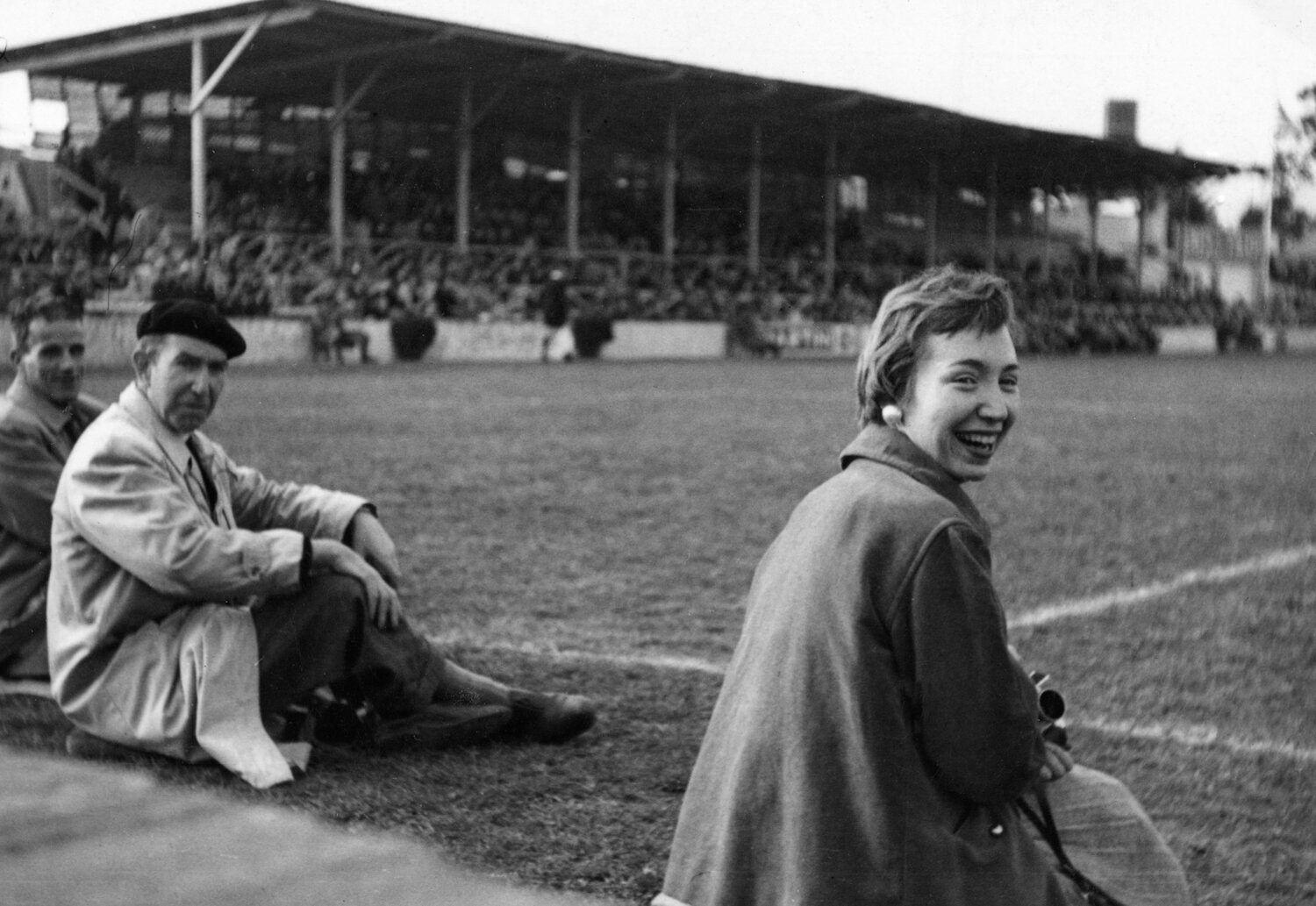
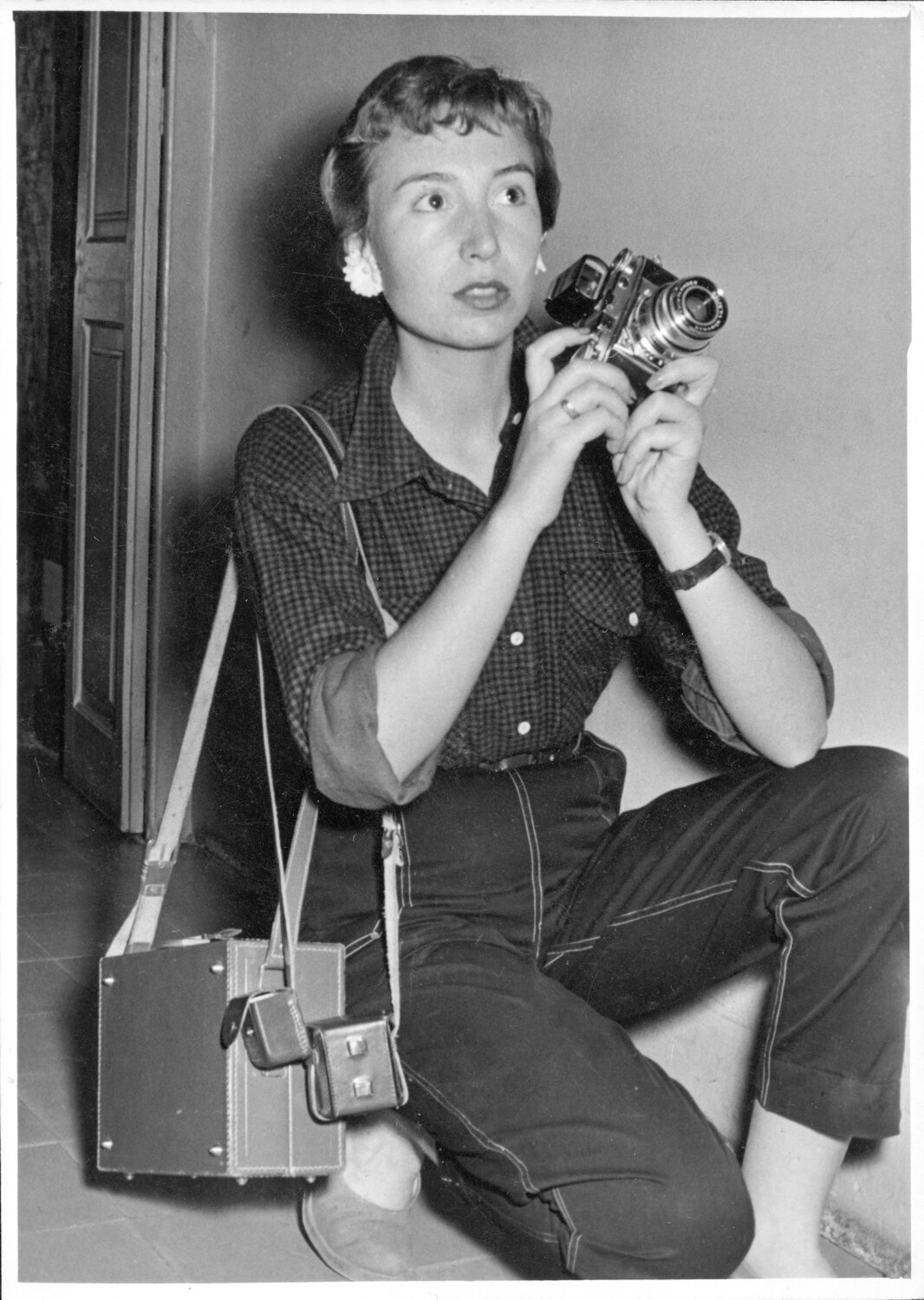
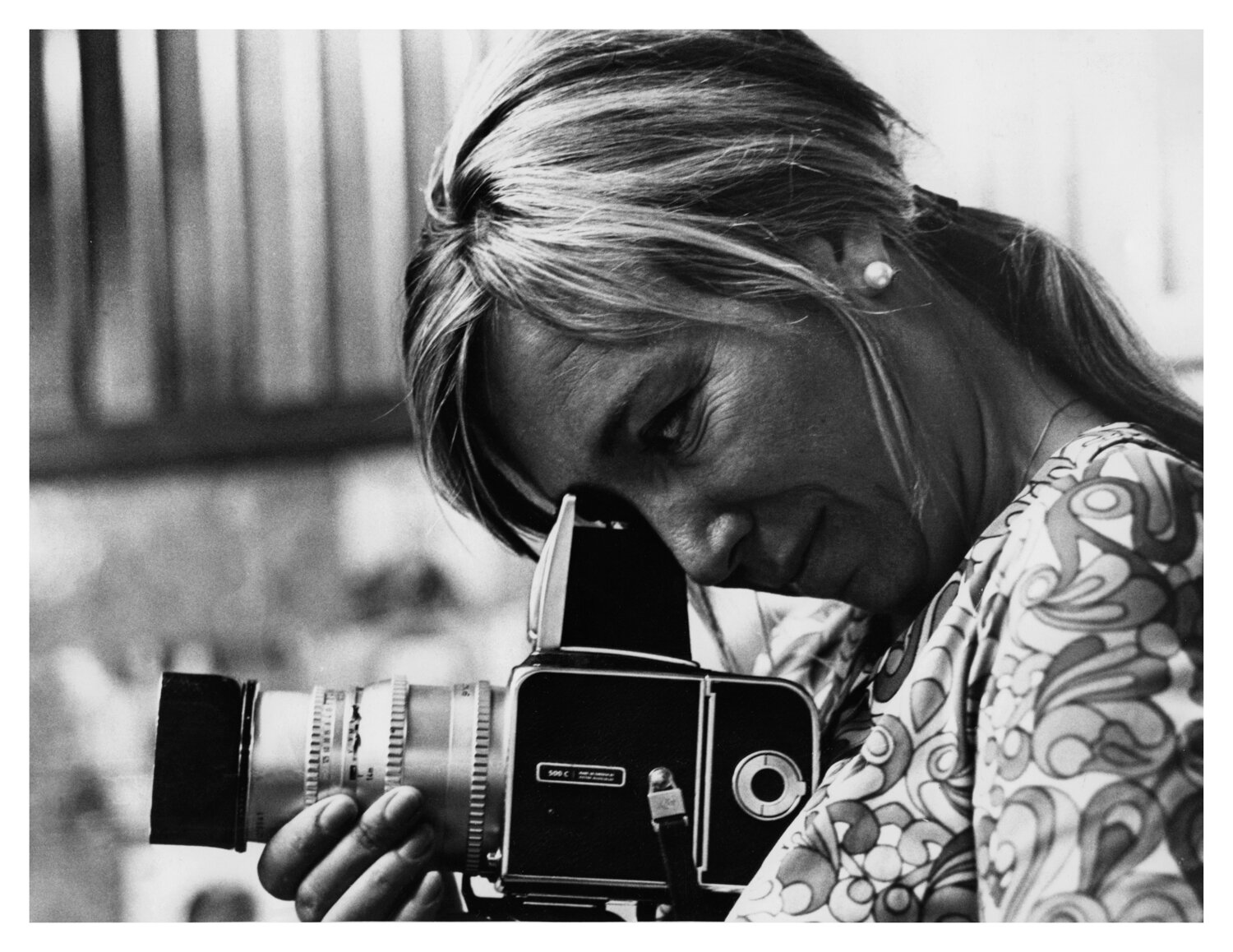
“Photojournalism has to be in your blood. It can get you into trouble or take over your life on occasions, so you have to love it. For me, it’s been like living with someone whose defects you forgive”
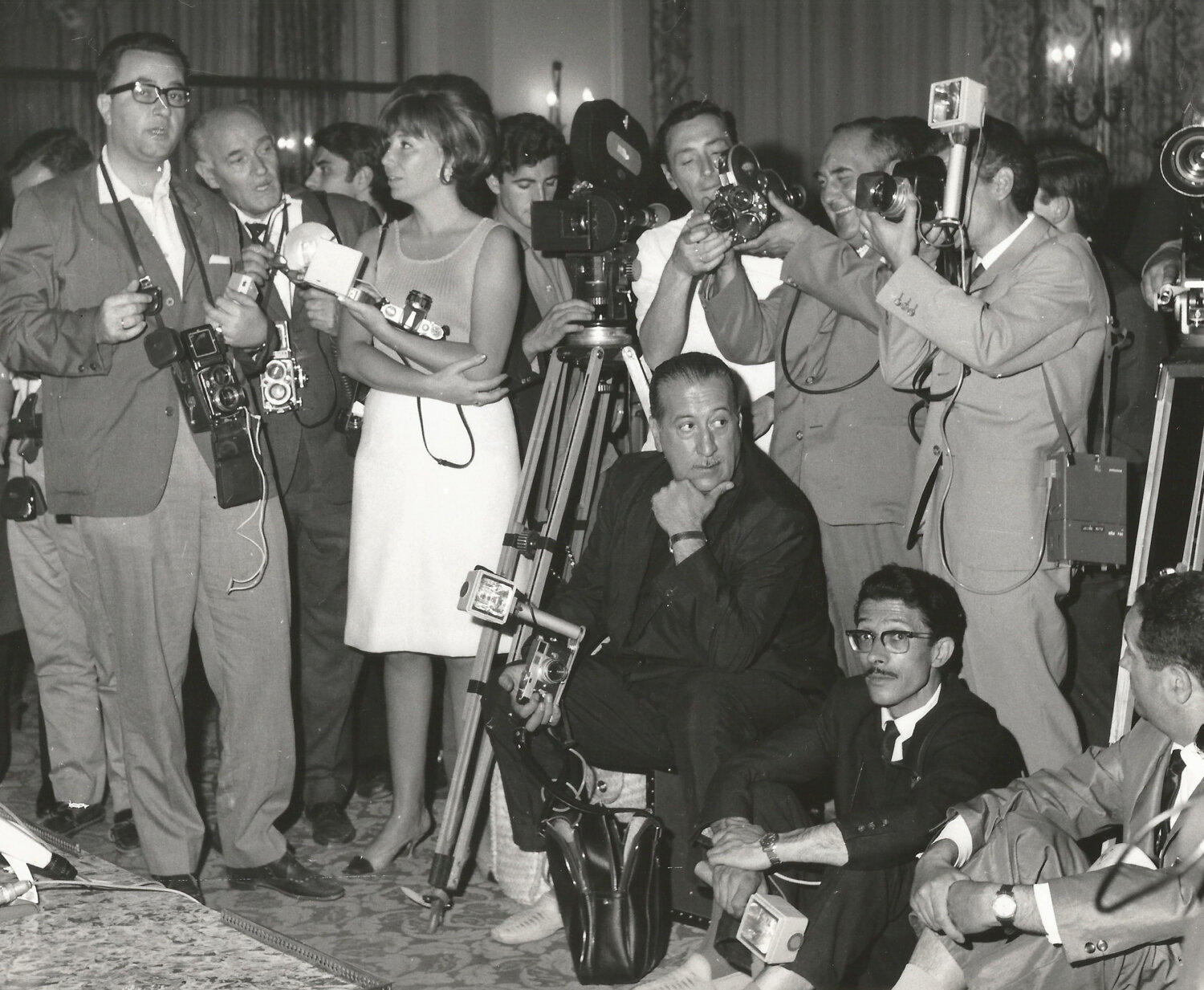
If she had to find one word to describe what she came up against in the early years of her career, it would be incomprehension: “A hell of a lot of it! Mainly coming from men who didn’t like the idea of a woman photographing them but also from the government. There was harassment. Not sexual but gender-related harassment because I was both a woman and a photographer,” she says. “The police would systematically throw me out of all official buildings only because I was a woman, even though I had credentials. That’s a huge jolt!” she adds, offended. When talking about her job, Joana always made a point in using the masculine word ‘fotógrafo’ in Spanish (photographer) as opposed to the feminine ‘fotógrafa’. “It would have been a concession to say ‘fotógrafa’: I was one of the boys -but in skirt and heels!”.
Her father always encouraged her to try to capture ‘the photo of all photos’: that one and only photo that is key to stand out from the crowd. Keeping that idea in mind, while she was assisting once in a press conference given by The Beatles in Madrid in 1965, Joana managed to sneak into the hotel where the band was staying. She spent three hours chatting with them, pointing her camera and firing away. “I think they didn’t believe I was a photographer. I guess they thought I was just a groupie who’d made it all up about being a photojournalist”. The newspaper she was working for by then, Pueblo, wasn’t interested in her report on the Liverpool lads so she ended up giving it away to another publication. She never got paid for that world exclusive set of photos but she rose in status. She became famous Spanish singer Raphael’s official photographer and travelled around half the world photographing him while also publishing numerous society reports of her own where she captured major celebrities from that time such as Lola Flores, Sara Montiel, Orson Welles, Joan Manuel Serrat or Audrey Hepburn.
In the early 80s, when sensationalism took over the pages of newspapers to the detriment of real journalism, her passion for photojournalism ended in disillusion and her career stopped when she turned 50. She left the profession, sold all her cameras and moved to Ibiza where she had a house. There, she would constantly be visited by friends, lured by her flair and talent for cooking. She realized she could turn this other passion of hers into a new career. Her husband Jean Michel Bamberger supported her idea and together they transferred her talents into “Cana Joana”, a restaurant where Jean Michel waited the tables while Joanna would be in charge of the kitchen. “The restaurant we created was a huge success in an Ibiza that was marvellous back then”.
“The police would systematically throw me out of all official buildings only because I was a woman, even though I had credentials. That’s a huge jolt!”
She devoted herself to her new trade for twenty-two years, never taking photographs of all of the famous people who visited Cana Joana, like Roman Polanski or Juan María Arzak. Nonetheless, she has an endless list of anecdotes just like that day when Naomi Campbell came for dinner. “The second time she came in, Jean Michel got her a table at the back. That way the clients could see her every time they would go to the toilets! She was wearing a miniscule miniskirt and a belt with a huge buckle and she walked like a gazelle. You should’ve seen the diners’ faces! For a second, there was total silence, everyone stopped eating!”.
But in 2011, Joana was unexpectedly reunited with photography -her true passion in life- thanks to her first piece of photographic work published back in 1962: a report about major floods in Terrassa, the city where she was born on the Spanish coast. Journalist Cristóbal Castro was preparing an exhibition to mark the 50th anniversary of that tragedy and he contacted her to see what kind of material she had. When Castro discovered her amazing original archives, Joana was actually on the verge of destroying them all, convinced no one would ever find any value to them.
Cristóbal Castro helped Joana to resuscitate, not only as Spain’s first female photojournalist but also as a photographer with a remarkable eye. Despite the odds, Joana has no regrets for having had to giving it all up back then. “I’d do it all again though because time has shown that it was worth it. And now out of the blue, I’m reaping the rewards!”. Now 83 years old, Joana has several projects in the pipeline, her camera slung round her neck again and the same avid enthusiasm that always characterized her. If her eyesight might be weaker today, she has not lost her keen photographic eye because, in her own words, “my shots are always coming from the heart”.