
A Keen Photographic Eye
JOANA
BIARNÉS
You can tell from her undeniable charisma, amazing vitality, courage and brilliant sense of humour how she managed to hold her own among her male peers and how -despite ups and downs- she’s never lost her pugnaciously feisty spirit.
-
Interview to the first women photojournalist in Spain, Joana Biarnés.
-
Openhouse magazine
Issue Nº9 -
Archive photos courtesy of
Joana BiarnésPortrait by Lander Larrañaga
landerlarranaga.com -
JOANA BIARNÉS
Truly great people tend to stand out for their humility, at least that is the case of Joana Biarnés, Spain’s first female photojournalist. You can tell from her undeniable charisma, amazing vitality, courage and brilliant sense of humour how she managed to hold her own among her male peers and how -despite ups and downs- she’s never lost her pugnaciously feisty spirit. That spirit has remained intact or may actually have grown since she first decided to hang a camera around her neck and go out into the world to photograph it.
Juanita (as her colleagues call her) wanted to get on with her work as a photojournalist just like any other of her peers, but as she strove along the way to demonstrate her passion for photography and talent for the job, she actually became one of the pioneers of the early 60s struggle for sexual equality.
Joana is a strong-spirited woman who has had several passions in her life. The first one was photojournalism: a profession she was drawn to by her father, a sports photographer himself, whom she assisted in his laboratory since she was a child. His wisdom and integrity inspired Joana to try her hand at her own photographic reports and to embark on a career where she would compete with male rivals with full dedication albeit the undeniable uneven footing. “Photojournalism has to be in your blood. It can get you into trouble or take over your life on occasions, so you have to love it. For me, it’s been like living with someone whose defects you forgive,” she explains.
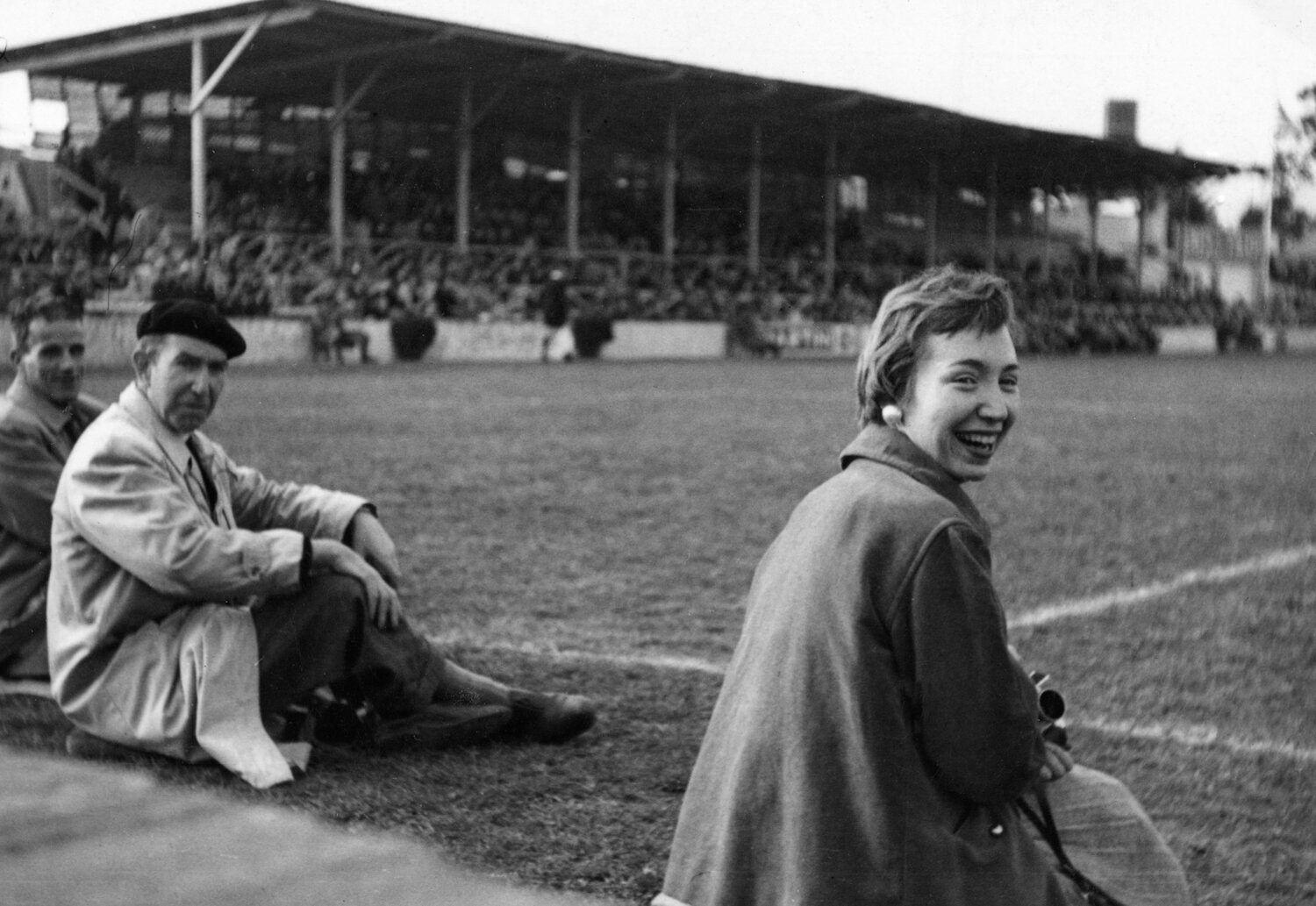
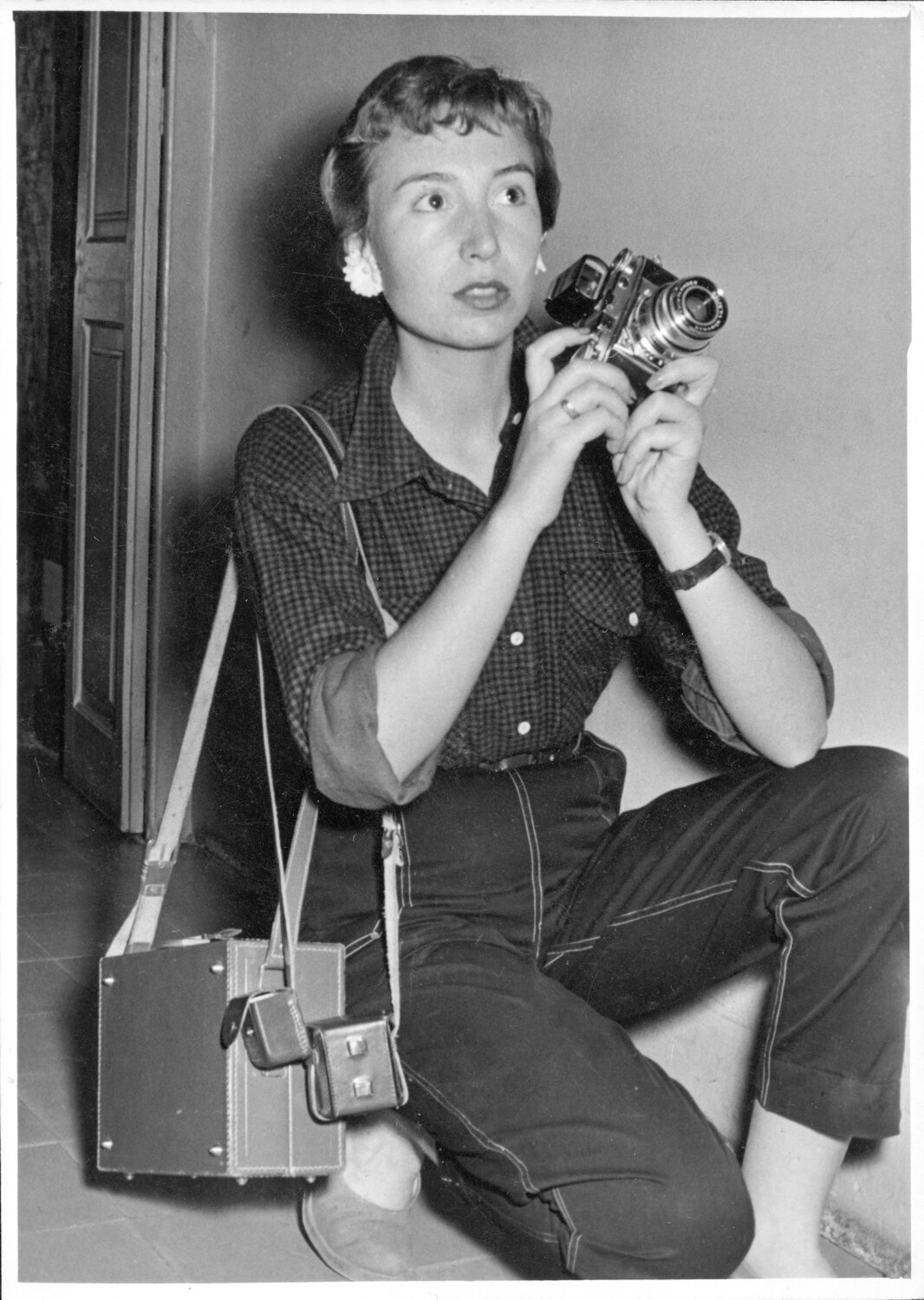
“Photojournalism has to be in your blood. It can get you into trouble or take over your life on occasions, so you have to love it. For me, it’s been like living with someone whose defects you forgive”
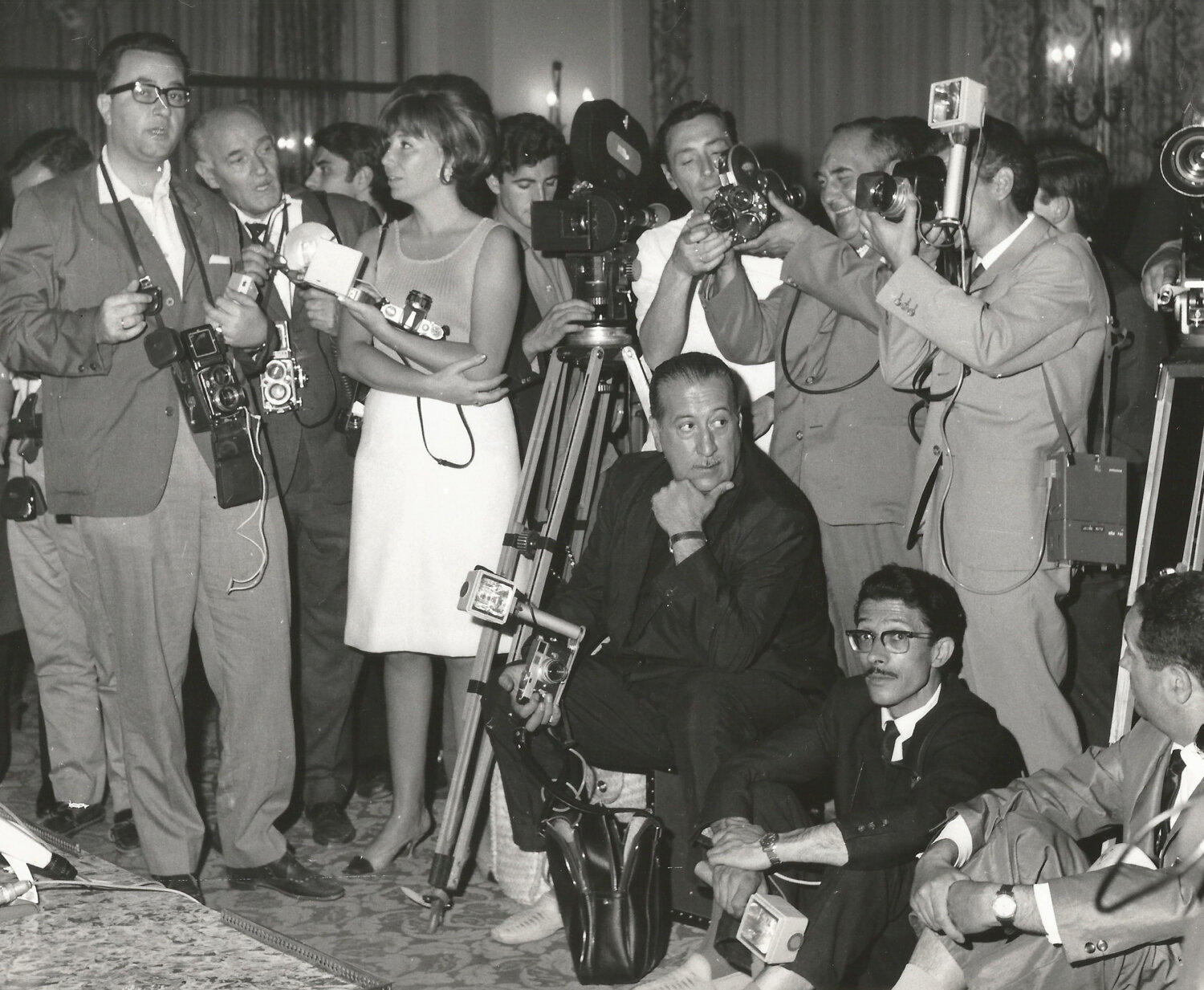
If she had to find one word to describe what she came up against in the early years of her career, it would be incomprehension: “A hell of a lot of it! Mainly coming from men who didn’t like the idea of a woman photographing them but also from the government. There was harassment. Not sexual but gender-related harassment because I was both a woman and a photographer,” she says. “The police would systematically throw me out of all official buildings only because I was a woman, even though I had credentials. That’s a huge jolt!” she adds, offended. When talking about her job, Joana always made a point in using the masculine word ‘fotógrafo’ in Spanish (photographer) as opposed to the feminine ‘fotógrafa’. “It would have been a concession to say ‘fotógrafa’: I was one of the boys -but in skirt and heels!”.
Her father always encouraged her to try to capture ‘the photo of all photos’: that one and only photo that is key to stand out from the crowd. Keeping that idea in mind, while she was assisting once in a press conference given by The Beatles in Madrid in 1965, Joana managed to sneak into the hotel where the band was staying. She spent three hours chatting with them, pointing her camera and firing away. “I think they didn’t believe I was a photographer. I guess they thought I was just a groupie who’d made it all up about being a photojournalist”. The newspaper she was working for by then, Pueblo, wasn’t interested in her report on the Liverpool lads so she ended up giving it away to another publication. She never got paid for that world exclusive set of photos but she rose in status. She became famous Spanish singer Raphael’s official photographer and travelled around half the world photographing him while also publishing numerous society reports of her own where she captured major celebrities from that time such as Lola Flores, Sara Montiel, Orson Welles, Joan Manuel Serrat or Audrey Hepburn.
In the early 80s, when sensationalism took over the pages of newspapers to the detriment of real journalism, her passion for photojournalism ended in disillusion and her career stopped when she turned 50. She left the profession, sold all her cameras and moved to Ibiza where she had a house. There, she would constantly be visited by friends, lured by her flair and talent for cooking. She realized she could turn this other passion of hers into a new career. Her husband Jean Michel Bamberger supported her idea and together they transferred her talents into “Cana Joana”, a restaurant where Jean Michel waited the tables while Joanna would be in charge of the kitchen. “The restaurant we created was a huge success in an Ibiza that was marvellous back then”.
“The police would systematically throw me out of all official buildings only because I was a woman, even though I had credentials. That’s a huge jolt!”
She devoted herself to her new trade for twenty-two years, never taking photographs of all of the famous people who visited Cana Joana, like Roman Polanski or Juan María Arzak. Nonetheless, she has an endless list of anecdotes just like that day when Naomi Campbell came for dinner. “The second time she came in, Jean Michel got her a table at the back. That way the clients could see her every time they would go to the toilets! She was wearing a miniscule miniskirt and a belt with a huge buckle and she walked like a gazelle. You should’ve seen the diners’ faces! For a second, there was total silence, everyone stopped eating!”.
But in 2011, Joana was unexpectedly reunited with photography -her true passion in life- thanks to her first piece of photographic work published back in 1962: a report about major floods in Terrassa, the city where she was born on the Spanish coast. Journalist Cristóbal Castro was preparing an exhibition to mark the 50th anniversary of that tragedy and he contacted her to see what kind of material she had. When Castro discovered her amazing original archives, Joana was actually on the verge of destroying them all, convinced no one would ever find any value to them.
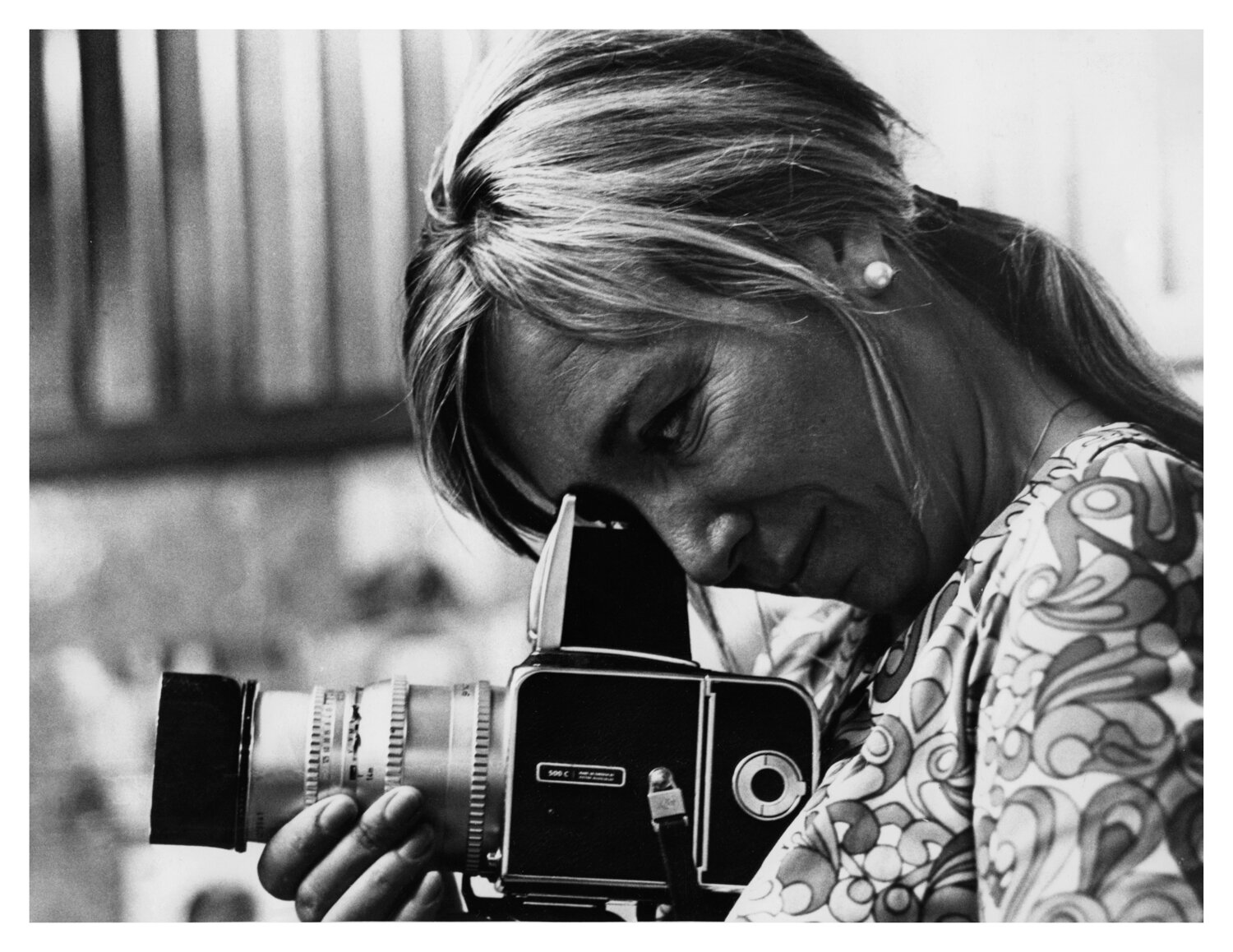
Cristóbal Castro helped Joana to resuscitate, not only as Spain’s first female photojournalist but also as a photographer with a remarkable eye. Despite the odds, Joana has no regrets for having had to giving it all up back then. “I’d do it all again though because time has shown that it was worth it. And now out of the blue, I’m reaping the rewards!”. Now 83 years old, Joana has several projects in the pipeline, her camera slung round her neck again and the same avid enthusiasm that always characterized her. If her eyesight might be weaker today, she has not lost her keen photographic eye because, in her own words, “my shots are always coming from the heart”.
Una mirada que traspasa la cámara
JOANA BIARNÉS
Su indiscutible carisma, su tremenda vitalidad, su valentía y su gran sentido del humor dejan claro por qué logró ser una entre todos.
-
Entrevista a la primera mujer fotoperiodista de España, Joana Biarnés.
-
Openhouse magazine
Issue Nº9 -
Fotos de archivo cortesía de Joana Biarnés
Retrato de Lander Larrañaga
landerlarranaga.com -
JOANA BIARNÉS
Los grandes personajes suelen destacar por su humildad. Al menos este es el caso de Joana Biarnés, la primera fotoperiodista española. Su indiscutible carisma, su tremenda vitalidad, su valentía y su gran sentido del humor dejan claro por qué logró ser una entre todos. Cómo, pese a los malos momentos y especialmente gracias a los buenos, continúa conservando un carácter vital y combativo, tanto o más que cuando decidió colgarse del cuello una cámara de fotos para salir a capturar el mundo.
Juanita, como le llamaban sus compañeros, únicamente quiso desempeñar la profesión de fotoperiodista como el resto de sus colegas, pero mientras intentaba mostrar su amor por la fotografía y su valía en el oficio, también se convirtió en una pionera en la lucha por la igualdad de derechos entre hombres y mujeres a principios de los años 60.
Mujer de intensas emociones, Joana ha tenido varias pasiones en su vida. La primera fue el fotoperiodismo, una profesión a la que llegó de manos de su padre, fotógrafo deportivo, a quien ayudaba en el laboratorio desde que era una niña. Su sabiduría e integridad animaron a Joana a realizar sus propios reportajes e iniciar una carrera en la que compitió con sus compañeros en clara desventaja, pero con total entrega. “El fotoperiodismo es algo que tienes que sentir. Te da disgustos y te domina en ocasiones, pero aún así hay que quererlo. Para mí es como una pareja a la que perdonas ciertas cosas”, explica.
Si tuviera que escoger un término que defina por lo que pasó durante los primeros años de su carrera, esa palabra es incomprensión: “Muchísima. Por parte de hombres a quienes incomodaba que fuese una mujer quien les retratase y por parte del Gobierno de la época. Un acoso, no sexual pero sí de género, por ser mujer y fotógrafo”, explica indignada. “La policía me echaba sistemáticamente de todos los edificios oficiales, aunque llevase las credenciales, por el hecho de ser mujer. Esto te da un golpe muy duro”. Siempre defendió la formulación masculina del oficio: “Decirlo en femenino era como hacer una concesión. Yo era un fotógrafo más, solo que con falda y zapatos”.
“El fotoperiodismo es algo que tienes que sentir. Te da disgustos y te domina en ocasiones, pero aún así hay que quererlo. Para mí es como una pareja a la que perdonas ciertas cosas”
Su padre le había enseñado a que debía obtener ‘La Foto’. Aquella imagen que fuese la clave de la historia y que se diferenciara de la que hacían los demás. Movida por ese impulso, en 1965, tras la rueda de prensa que los Beatles habían ofrecido con motivo de su concierto en Madrid, Joana consiguió colarse en la suite del hotel en la que se hospedaban. “Creo que no se tomaron en serio que era fotógrafa. Pensaron que era una ‘groupie’ que se había inventado que era fotoperiodista”. Pasó tres horas charlando y disparando con su cámara. El diario Pueblo, donde trabajaba, no quiso el reportaje de los cuatro de Liverpool, así que Joana lo acabó regalando a otra publicación. Nunca recibió dinero de aquella exclusiva mundial pero su situación mejoró. Se convirtió en la fotógrafa de Raphael y recorrió medio mundo retratando su figura, además de publicar múltiples reportajes de sociedad con grandes personalidades de la época como Lola Flores, Sara Montiel, Orson Welles, Joan Manuel Serrat o Audrey Hepburn.
“La policía me echaba sistemáticamente de todos los edificios oficiales, aunque llevase las credenciales, por el hecho de ser mujer. Esto te da un golpe muy duro”
Su pasión por el fotoperiodismo acabó en desengaño a principios de los 80, cuando el sensacionalismo comenzó a llenar páginas al tiempo que el periodismo desaparecía de ellas. Con gran pesar, a sus 50 años de edad, Joana cerró un capítulo de su vida. Dejó la profesión, vendió todas sus cámaras y se mudó a Ibiza, donde tenía una casa. Allí, las visitas de amigos atraídos por la buena mano de Joana en la cocina, eran constantes. Pronto se dio cuenta de que esta otra pasión podría convertirse en un nuevo oficio. Su marido, Jean Michel Bamberger, le apoyó en su decisión y juntos trasladaron su química a Cana Joana en 1985, él atendiendo las mesas y ella en los fogones. “Montamos el restaurante con muchísimo éxito y en una Ibiza maravillosa”.
Profesó su amor a la cocina durante veintidós años, tiempo en el que no fotografió a ninguno de las nombres conocidos que visitaron el restaurante, como Roman Polanski o Juan María Arzak. Su archivo de anécdotas, sin embargo, es inagotable. Recuerda las visitas de Naomi Campbell: “La segunda vez que vino, Jean Michel instaló su mesa en el fondo de la sala para que los comensales la vieran cada vez que tuviera que ir al baño. Caminaba como una gacela, con una minifalda cortísima y un cinturón con una gran hebilla. ¡Si ves las caras de los clientes. Un silencio! Todo el mundo dejó de comer por un instante”.
Ahora Joana se reencuentra con la fotografía, su gran amor, gracias a su primer trabajo, publicado en 1962: un reportaje sobre las riadas de Terrassa, su ciudad natal. En 2011, Cristóbal Castro preparaba una exposición con motivo del quincuagésimo aniversario de la catástrofe y contactó con ella para ver su material. Éste descubrió el extenso archivo que Joana aún conservaba justo cuando ella se disponía a destruirlo, convencida de que nadie le daría un valor.
Cristobal recuperó su nombre, no sólo como primera fotoperiodista de España, sino como un fotógrafo con una mirada única. A pesar de ello, nunca se ha arrepentido de dejarlo: ”Volvería a hacerlo porque el tiempo me ha demostrado que mereció la pena. Ahora, sin esperarlo en absoluto, estoy recogiendo el premio”. Con la misma ilusión de los inicios, a sus 83 años, Joana ha vuelto a colgarse la cámara y está preparando varios proyectos. Hoy abraza el objetivo con menos capacidad de visión pero con la misma mirada de entonces porque, como ella misma dice, con lo que dispara es con el corazón.